Newsletter Block
This newsletter signup form needs a storage option. Edit the block and enter a storage location via the Storage tab.

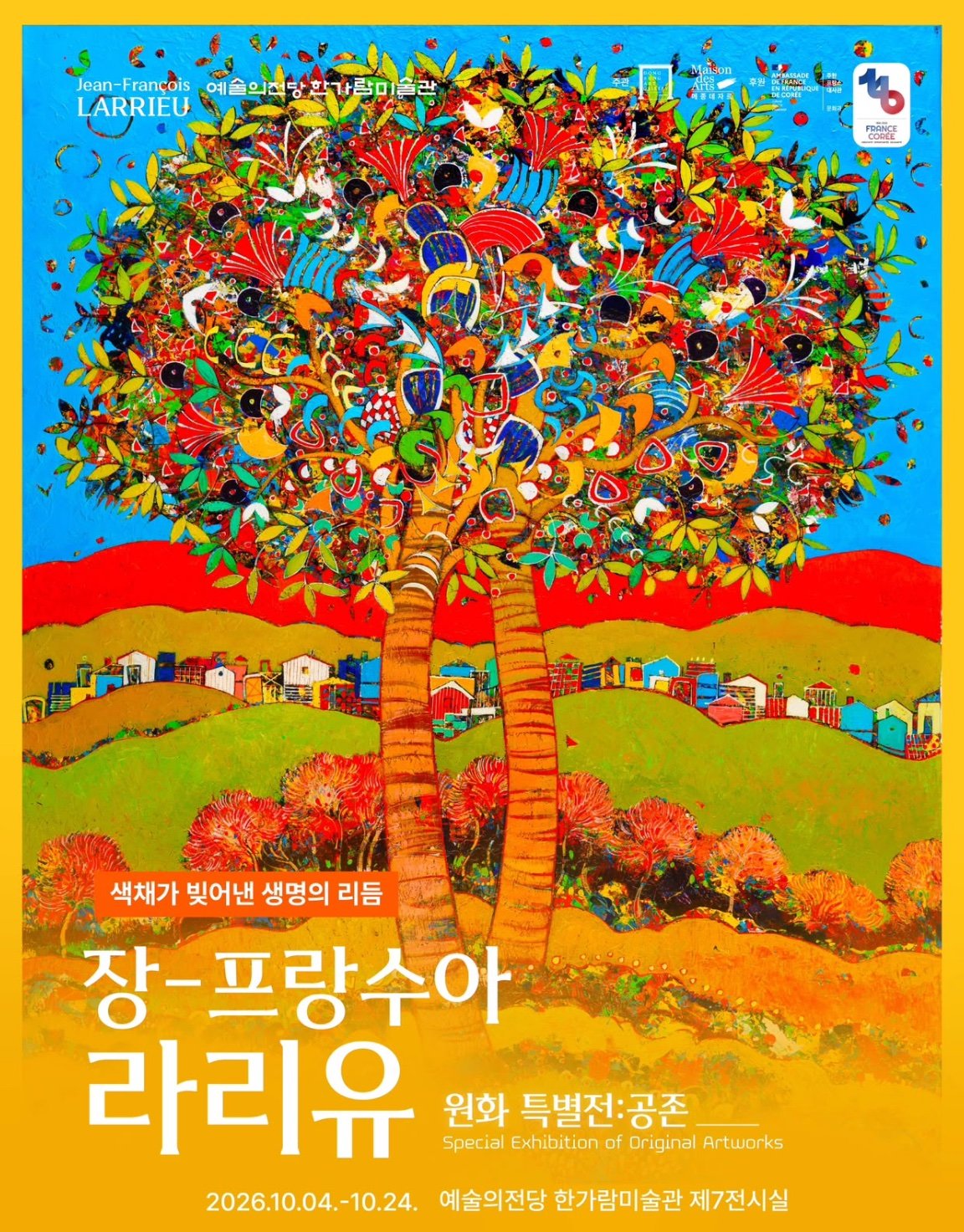
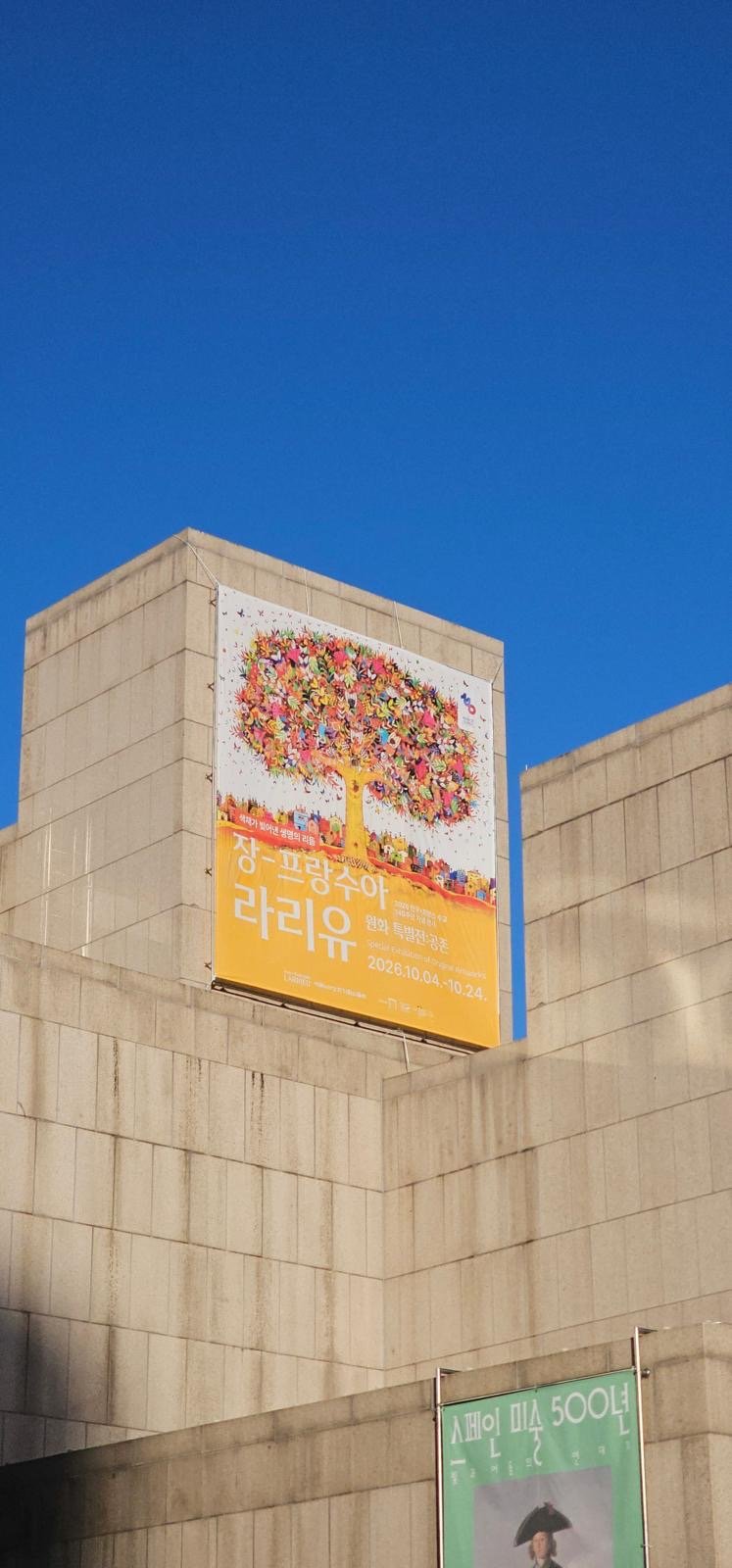
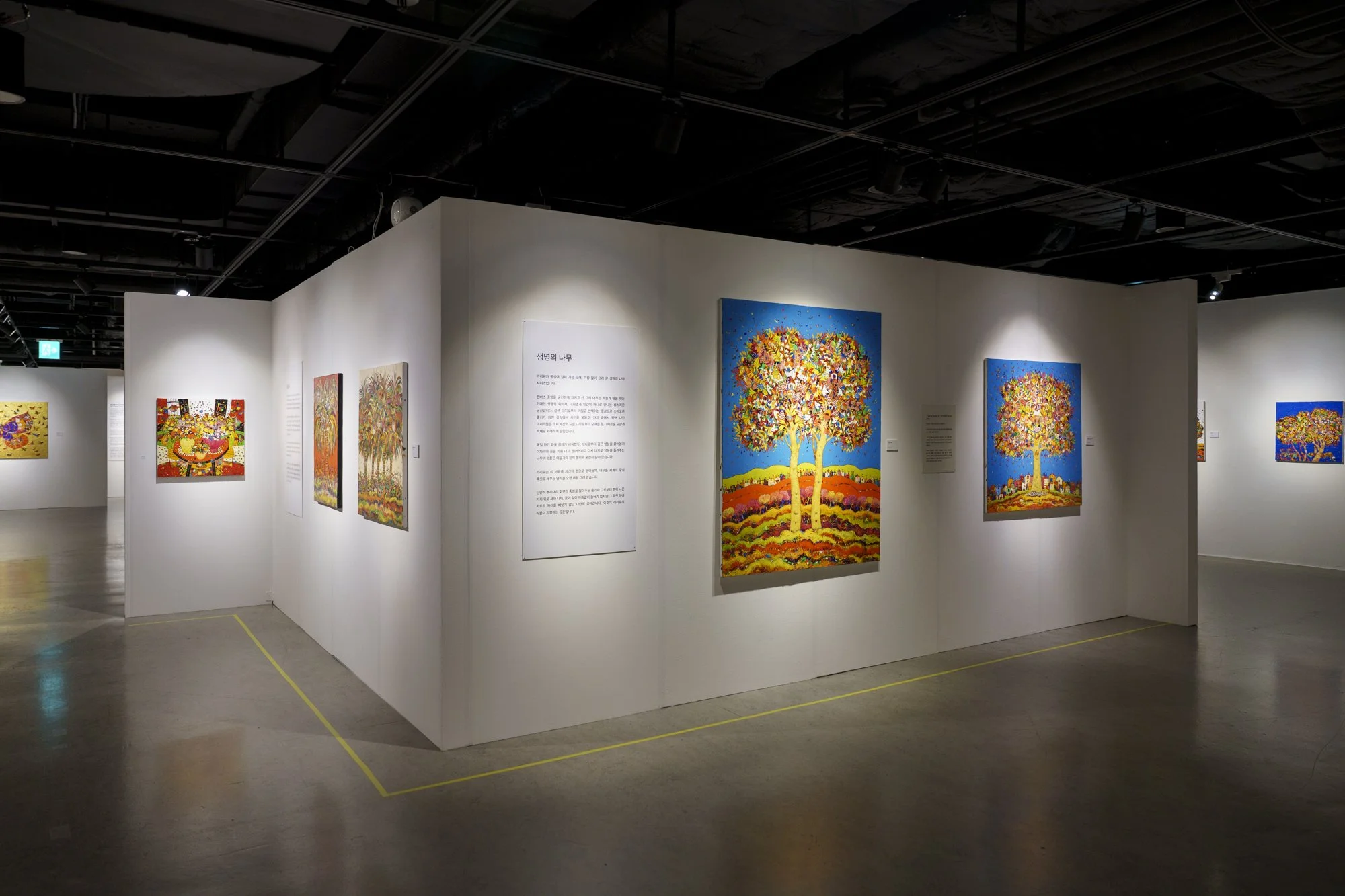
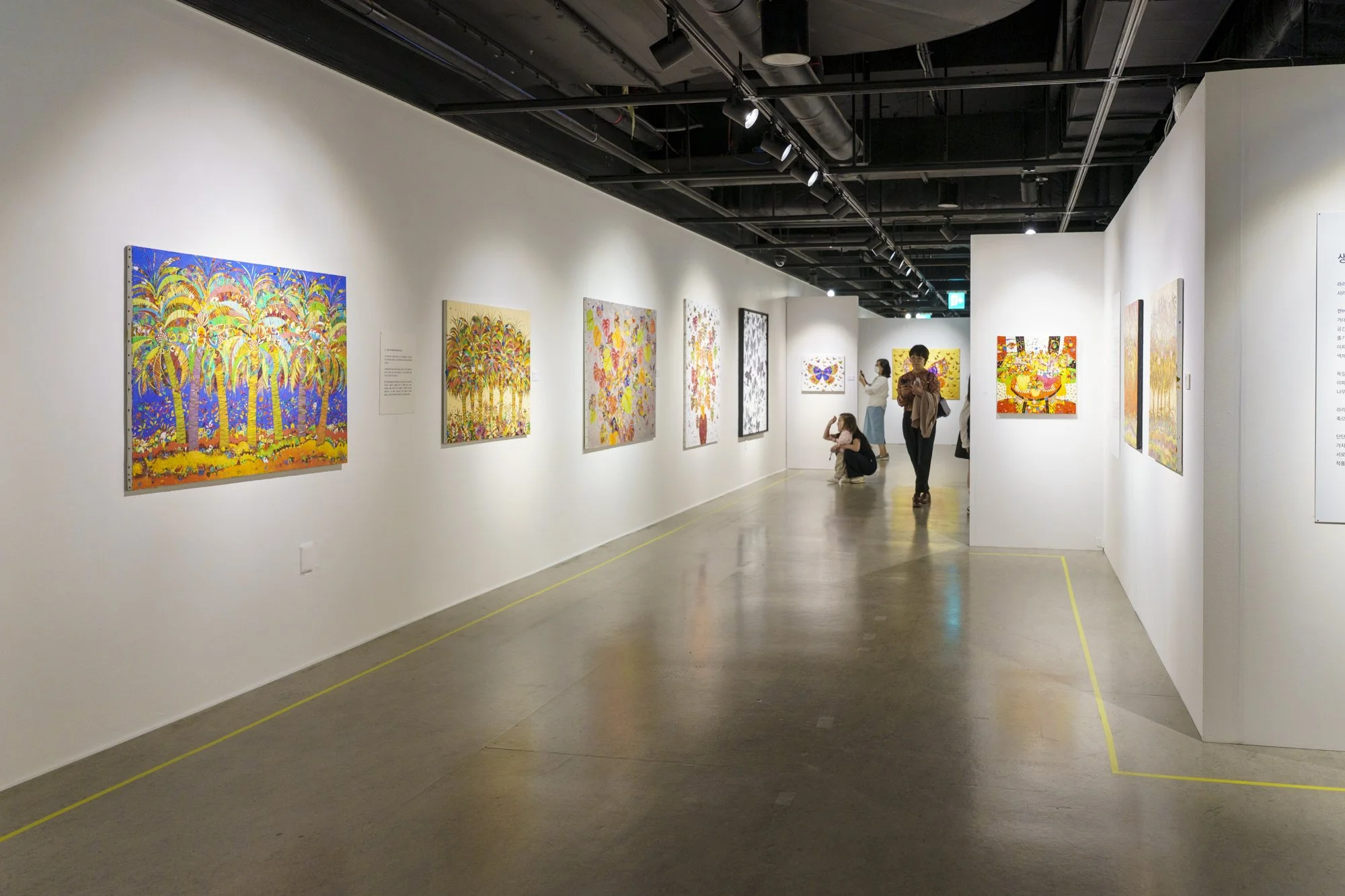
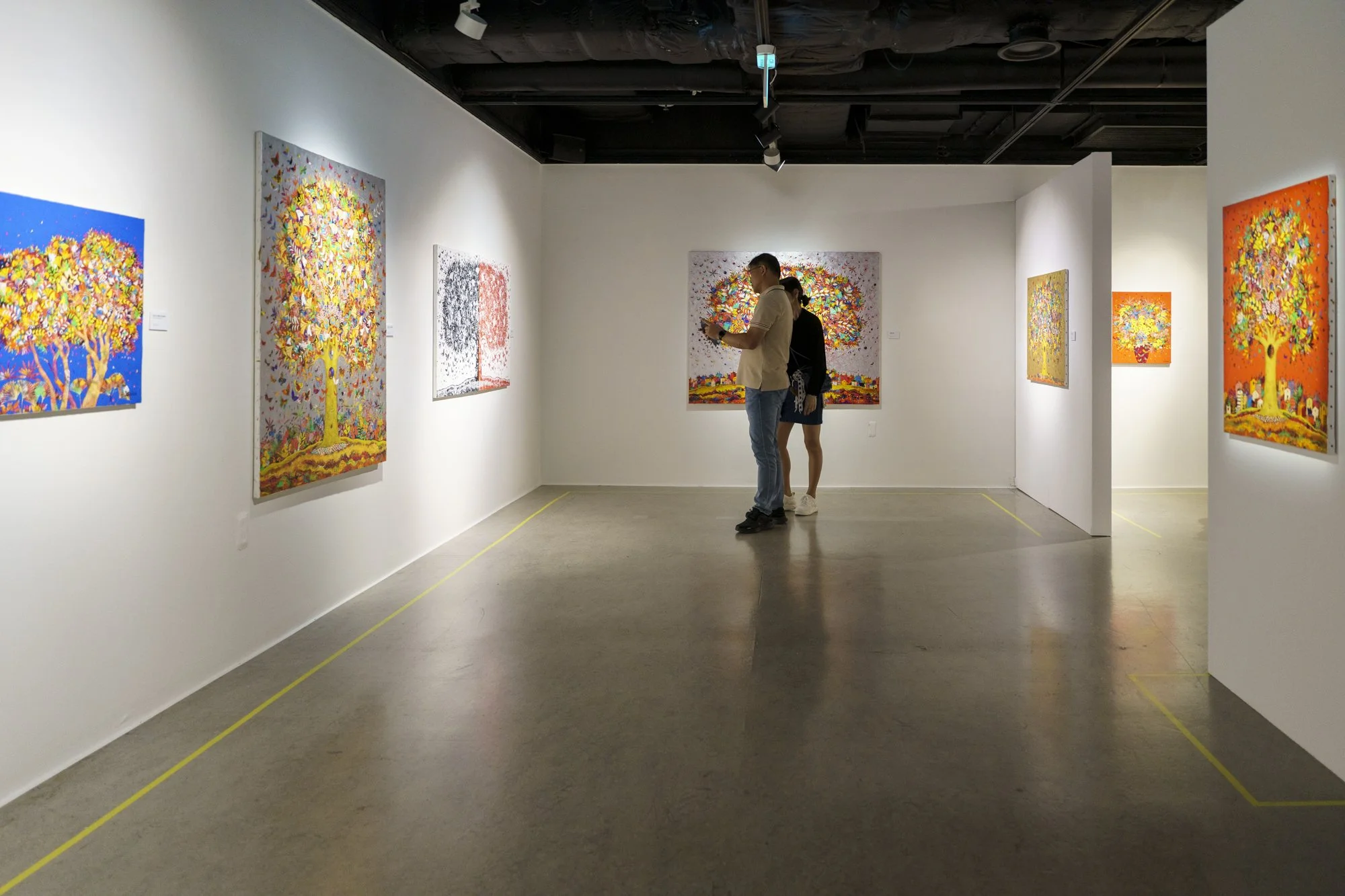
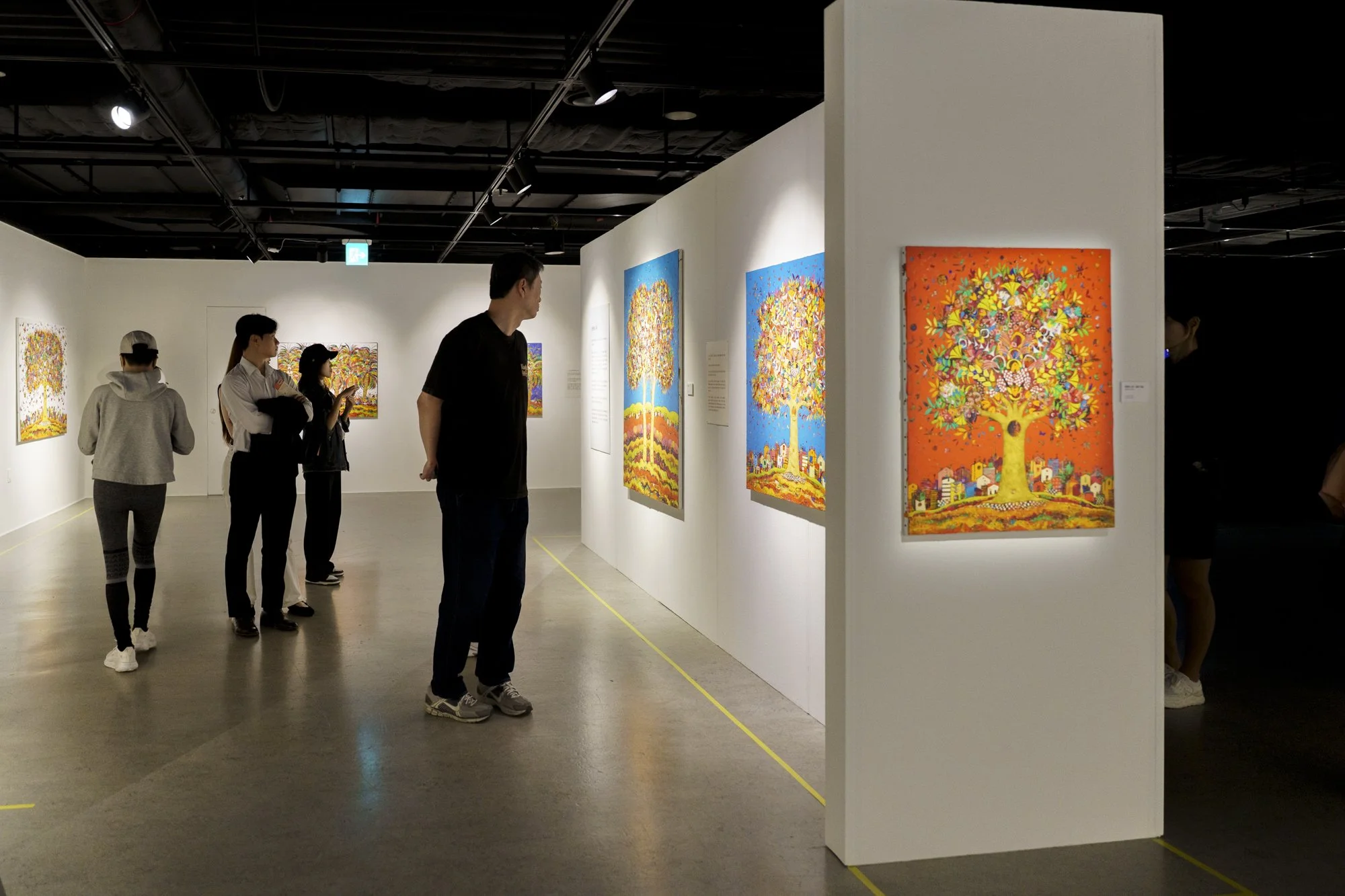
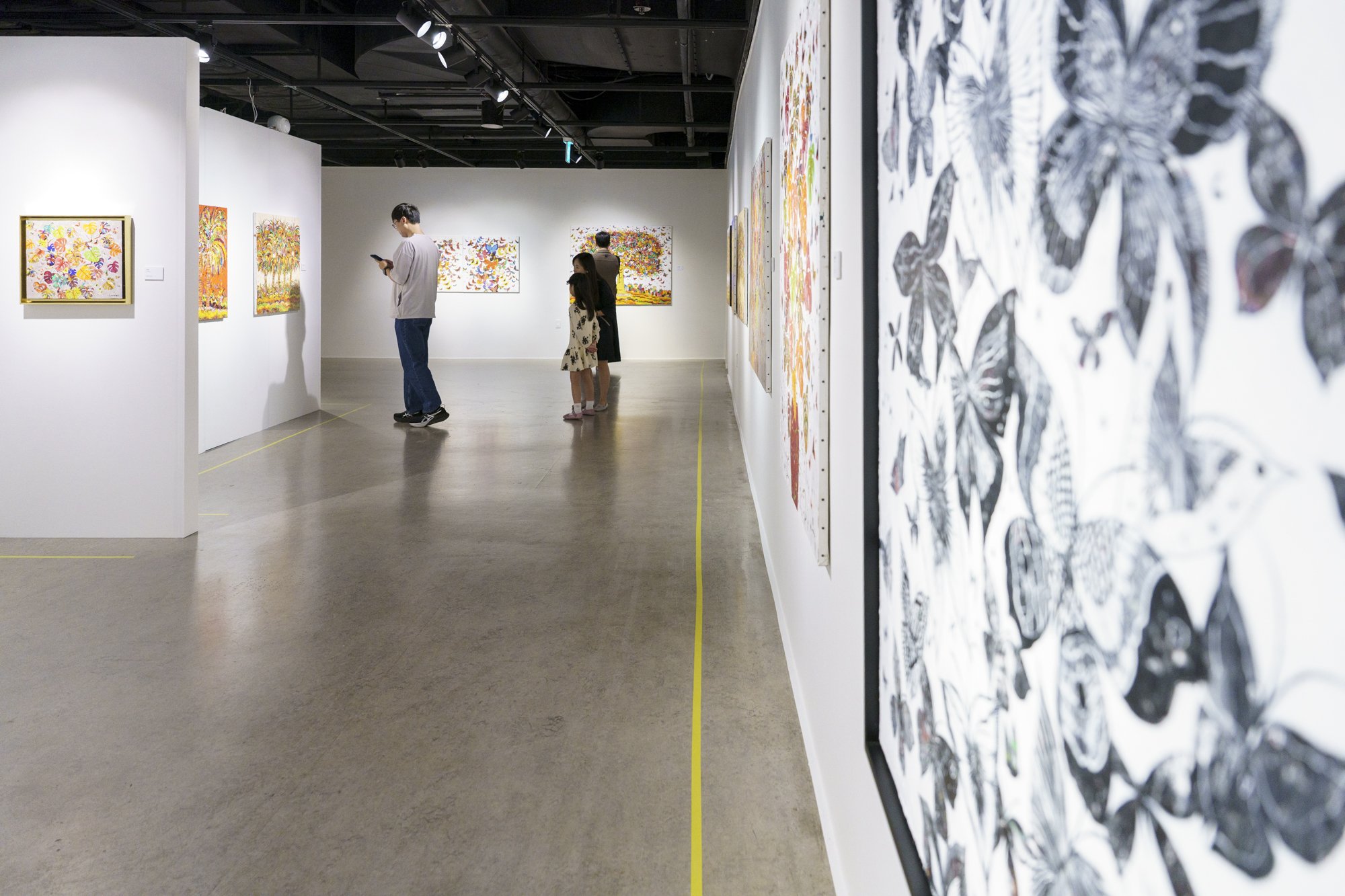
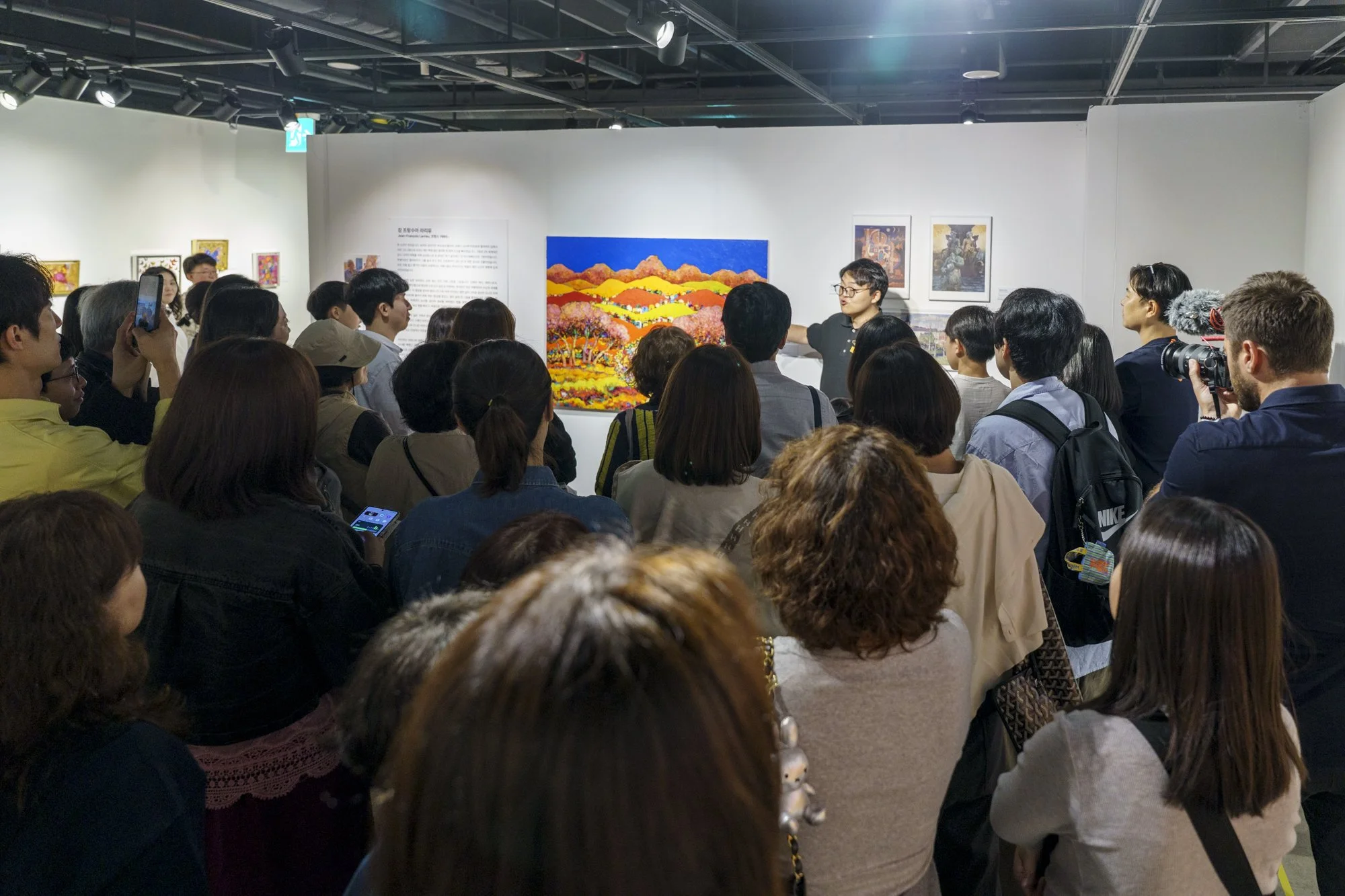
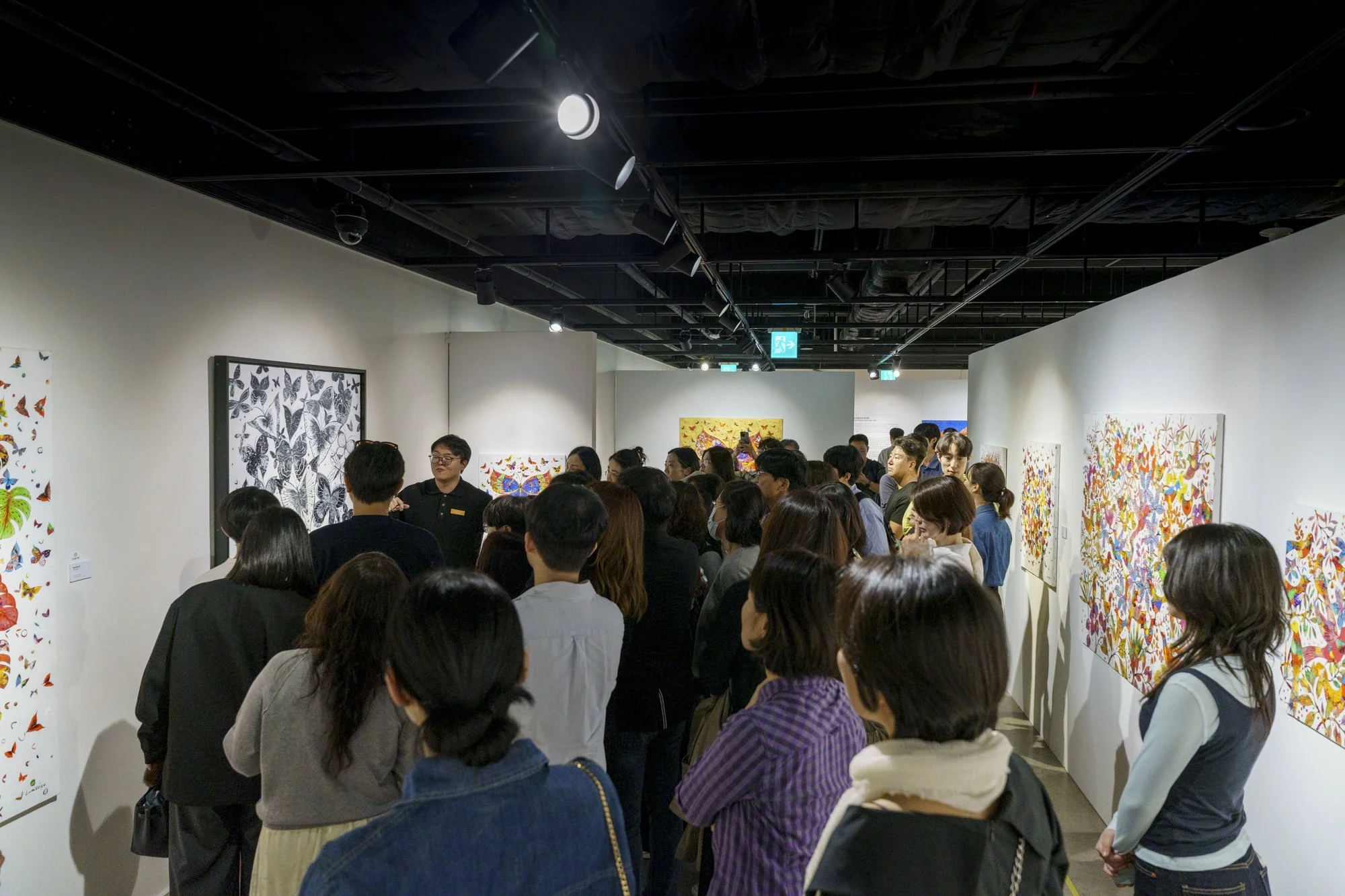
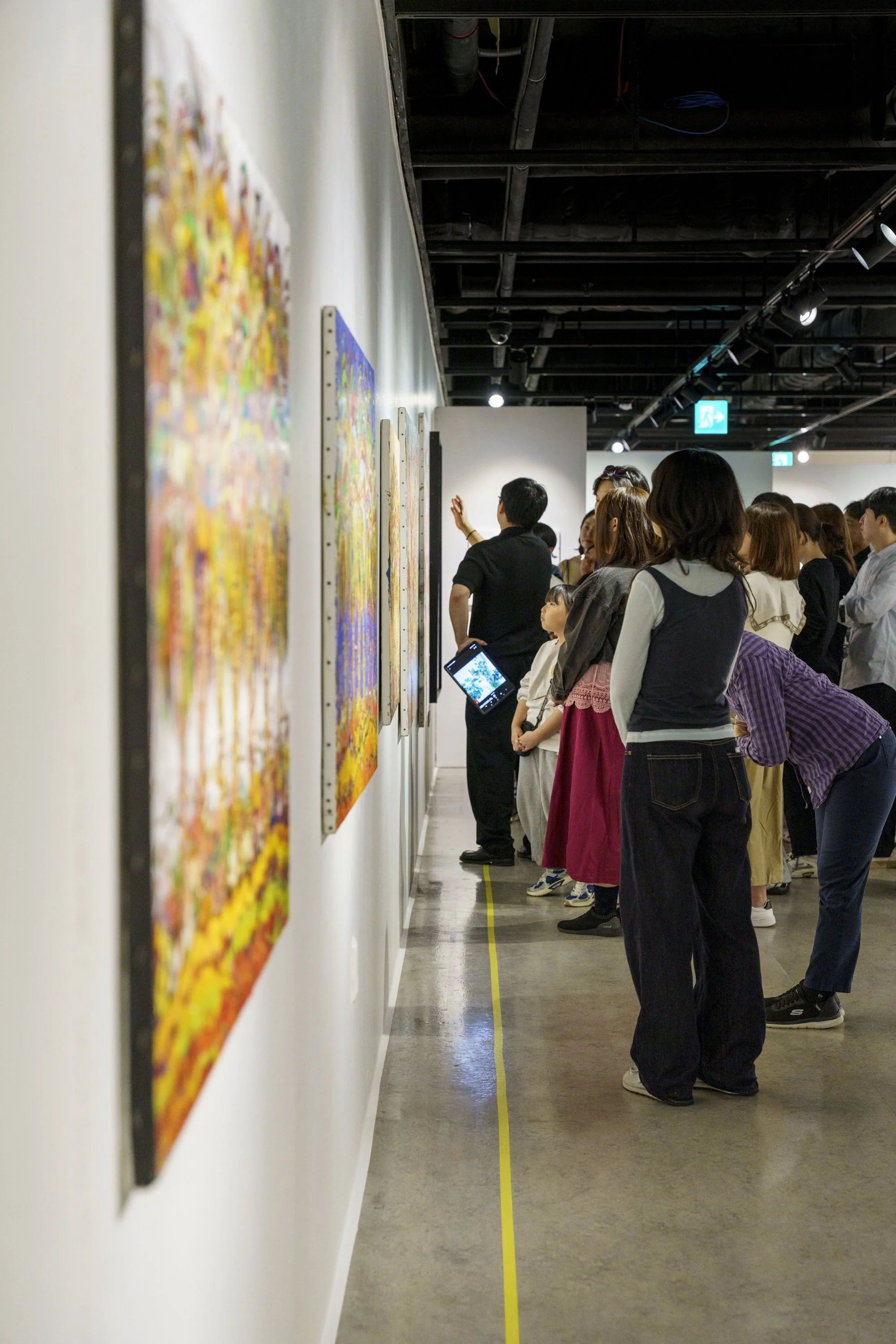
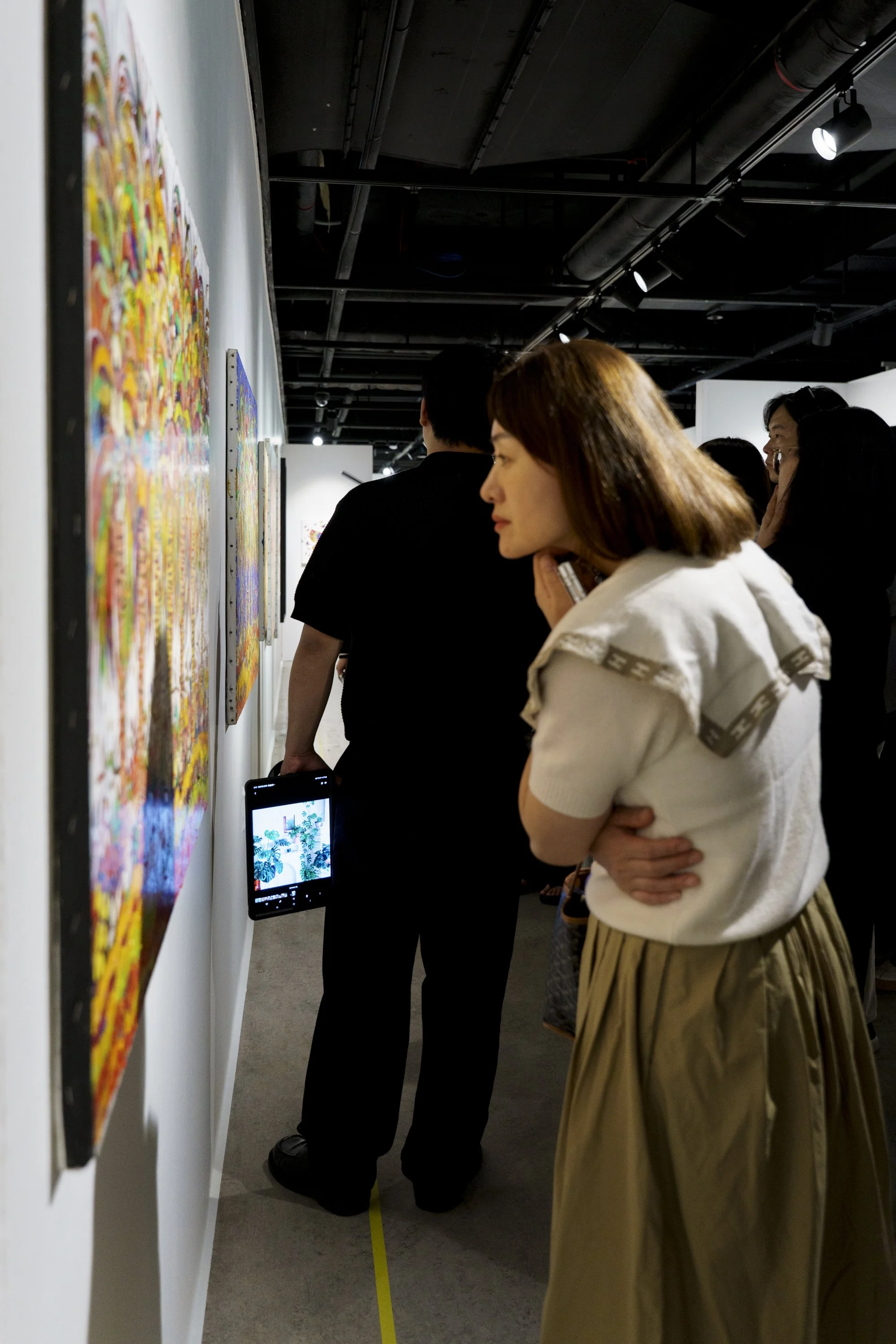
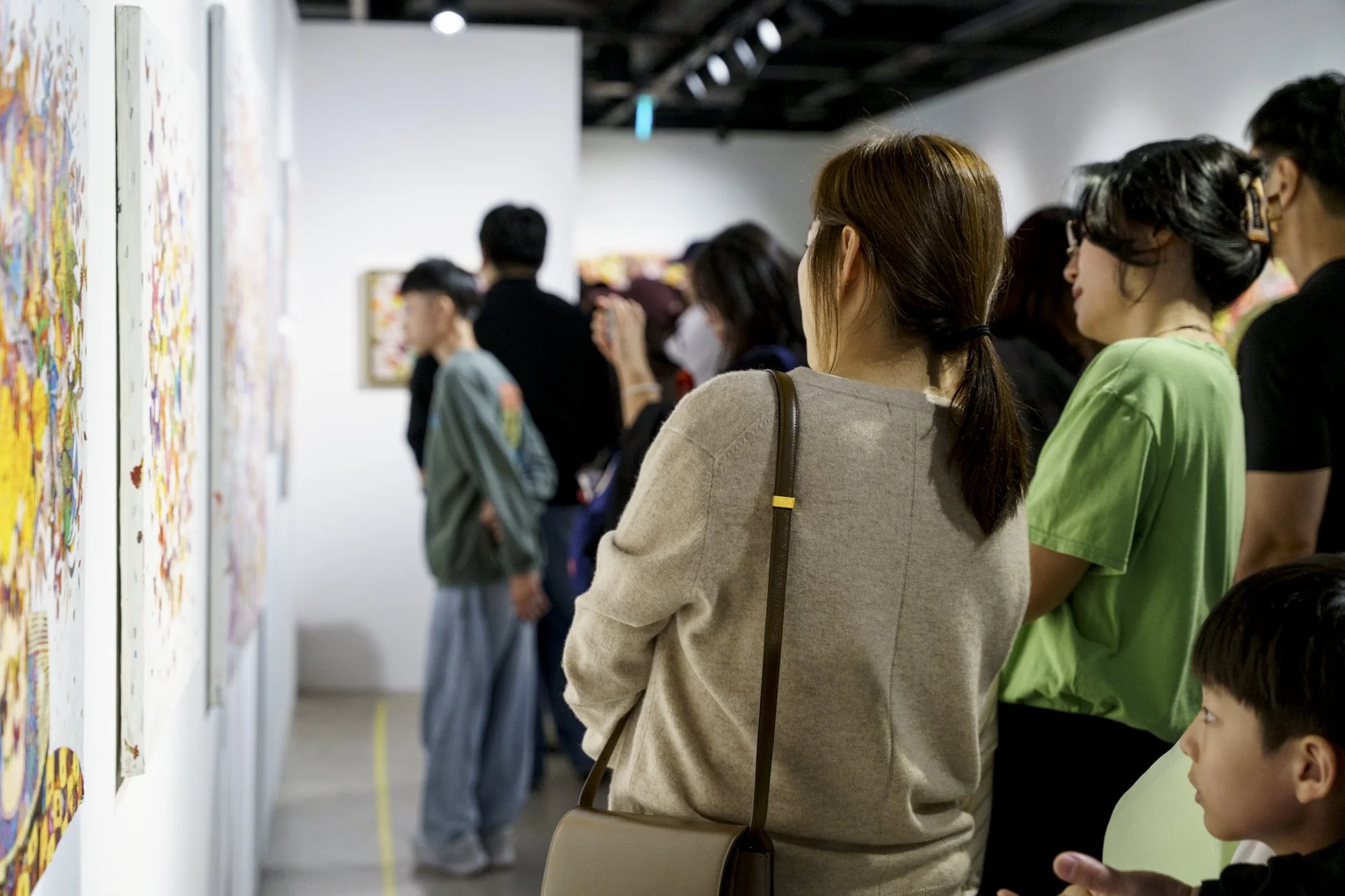
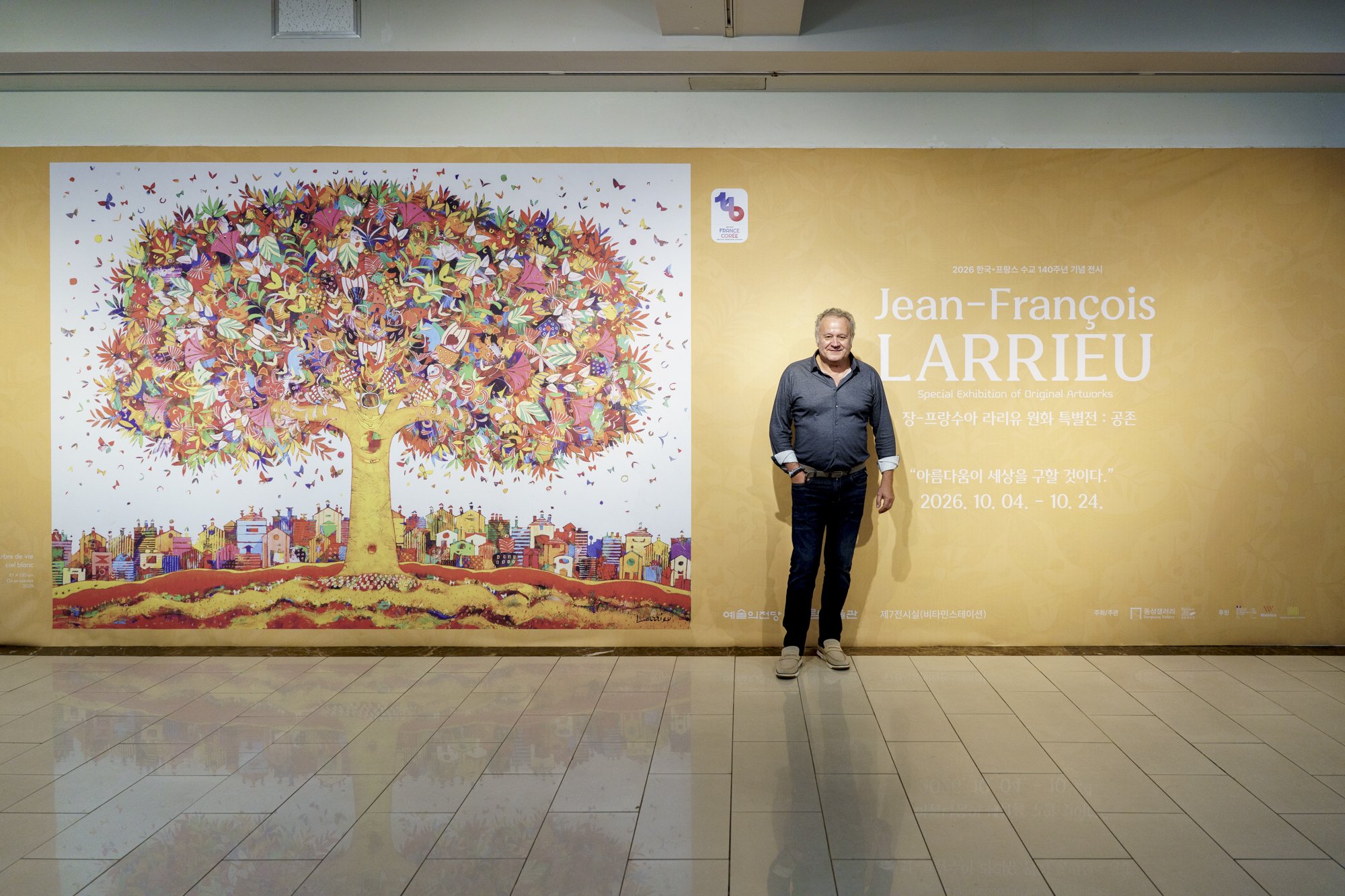
An exceptional exhibition of original artworks was held at the Hangaram Art Museum, Seoul Arts Center, from 4 to 24 October 2026.
In autumn 2026, French painter Jean-François Larrieu, a leading figure in contemporary French art, presented an exceptional exhibition in Seoul dedicated to his work, entitled “Jean-François Larrieu — Coexistence.”
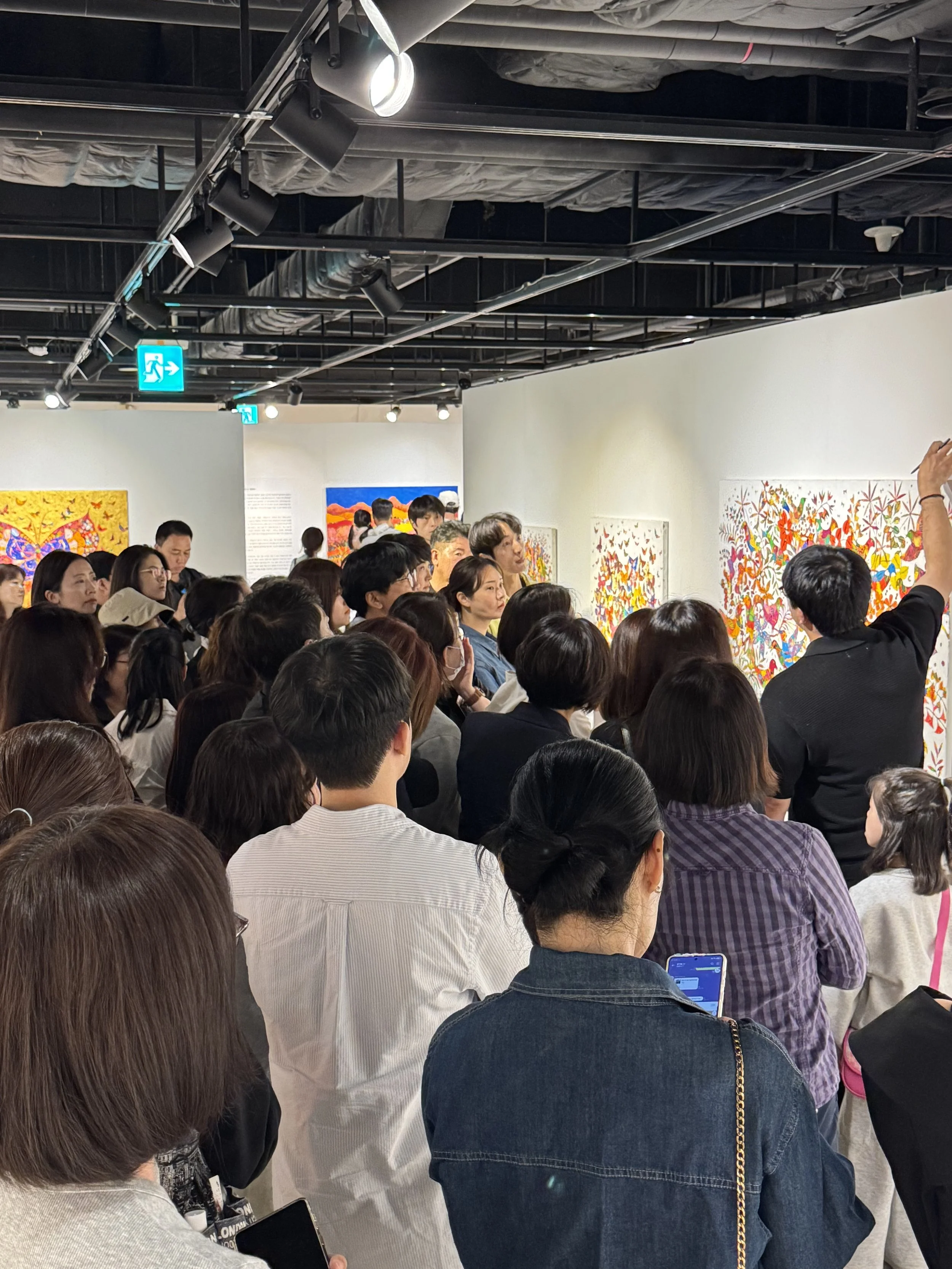
Held from 4 to 24 October 2026 at the Hangaram Art Museum, Seoul Arts Center, this exhibition was of particular significance. Twenty-four years after his work was first presented to the Korean public, it marked Jean-François Larrieu’s first solo exhibition in a museum in Korea, as well as the largest exhibition of his work ever held in the country.
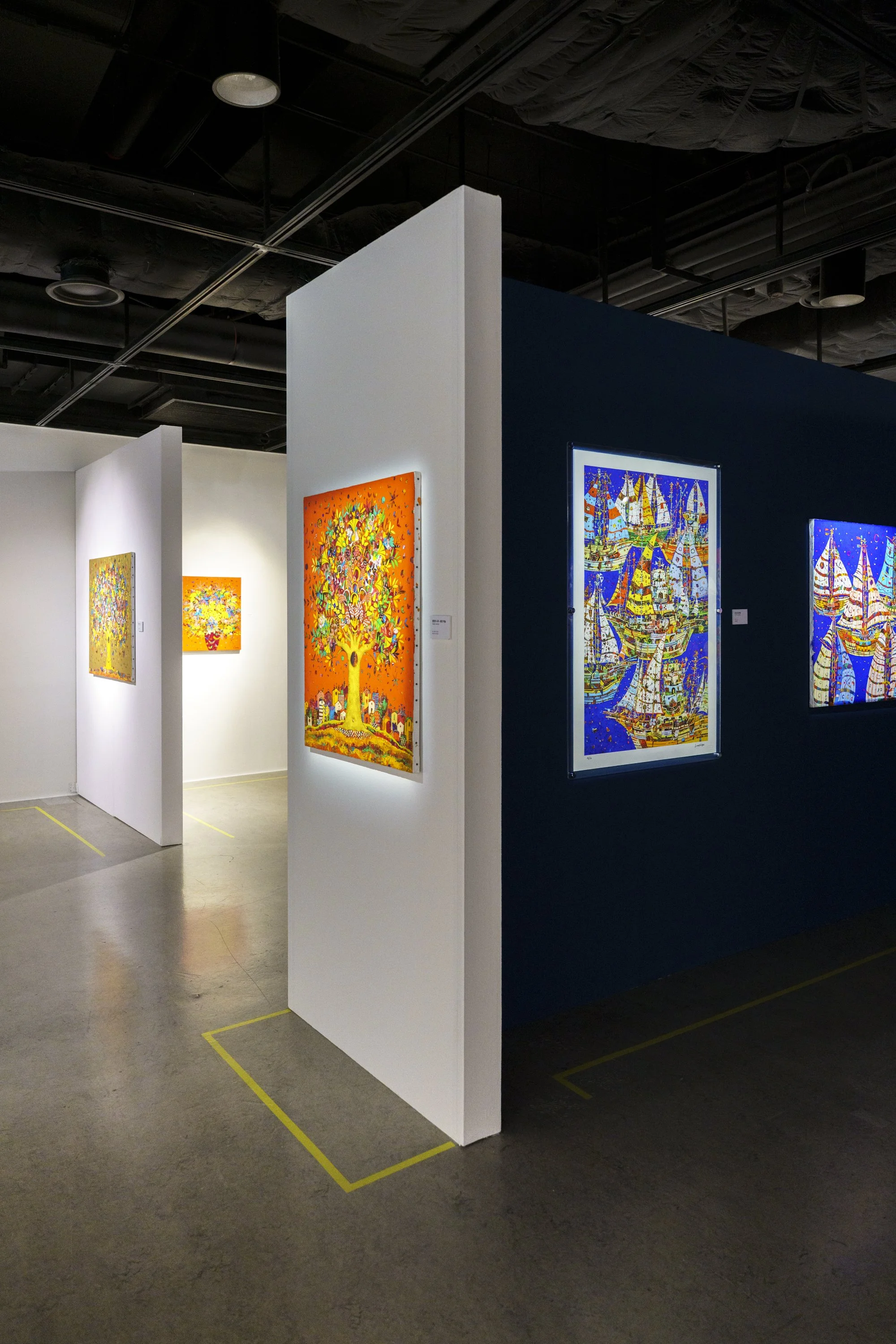
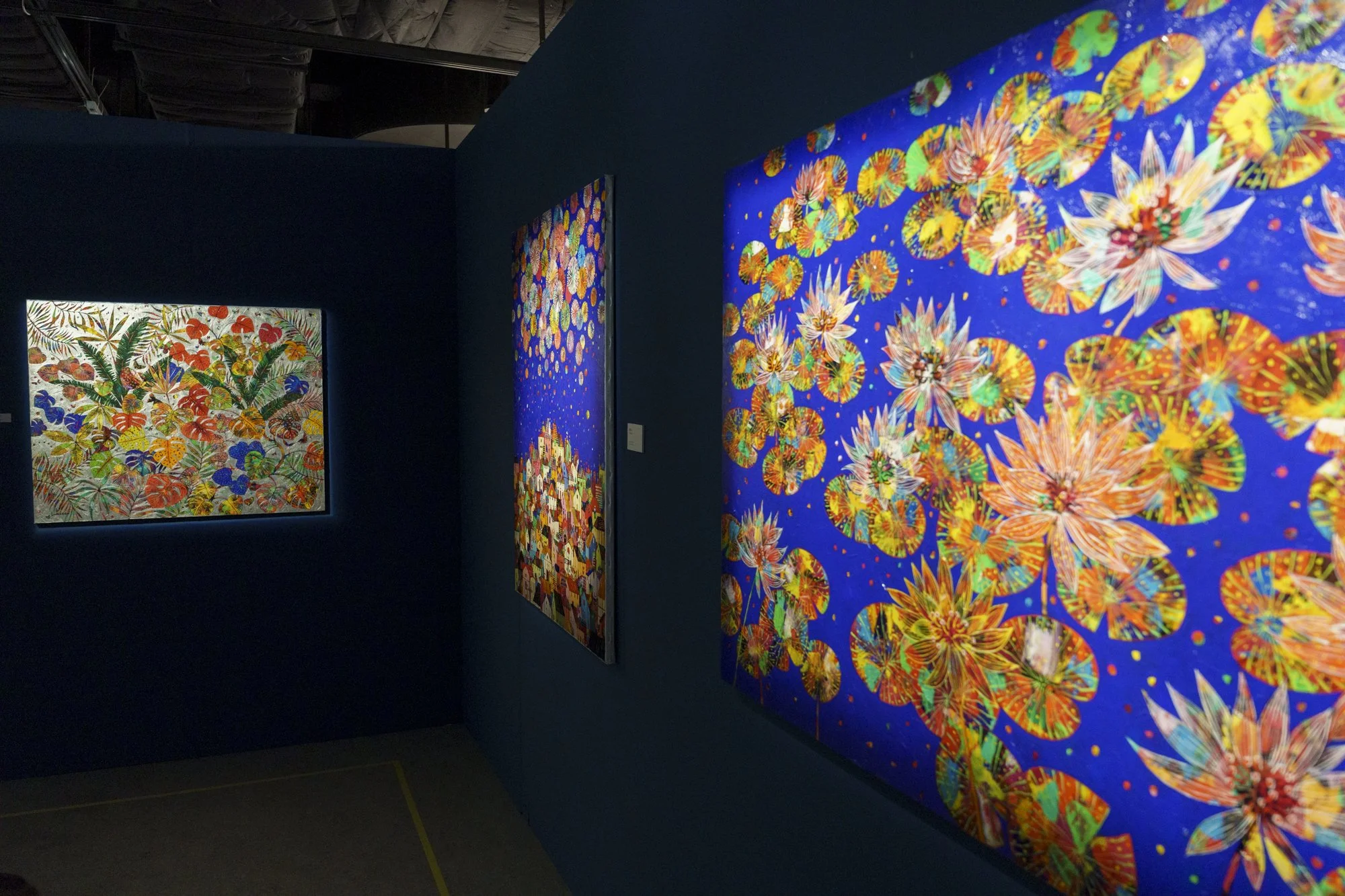
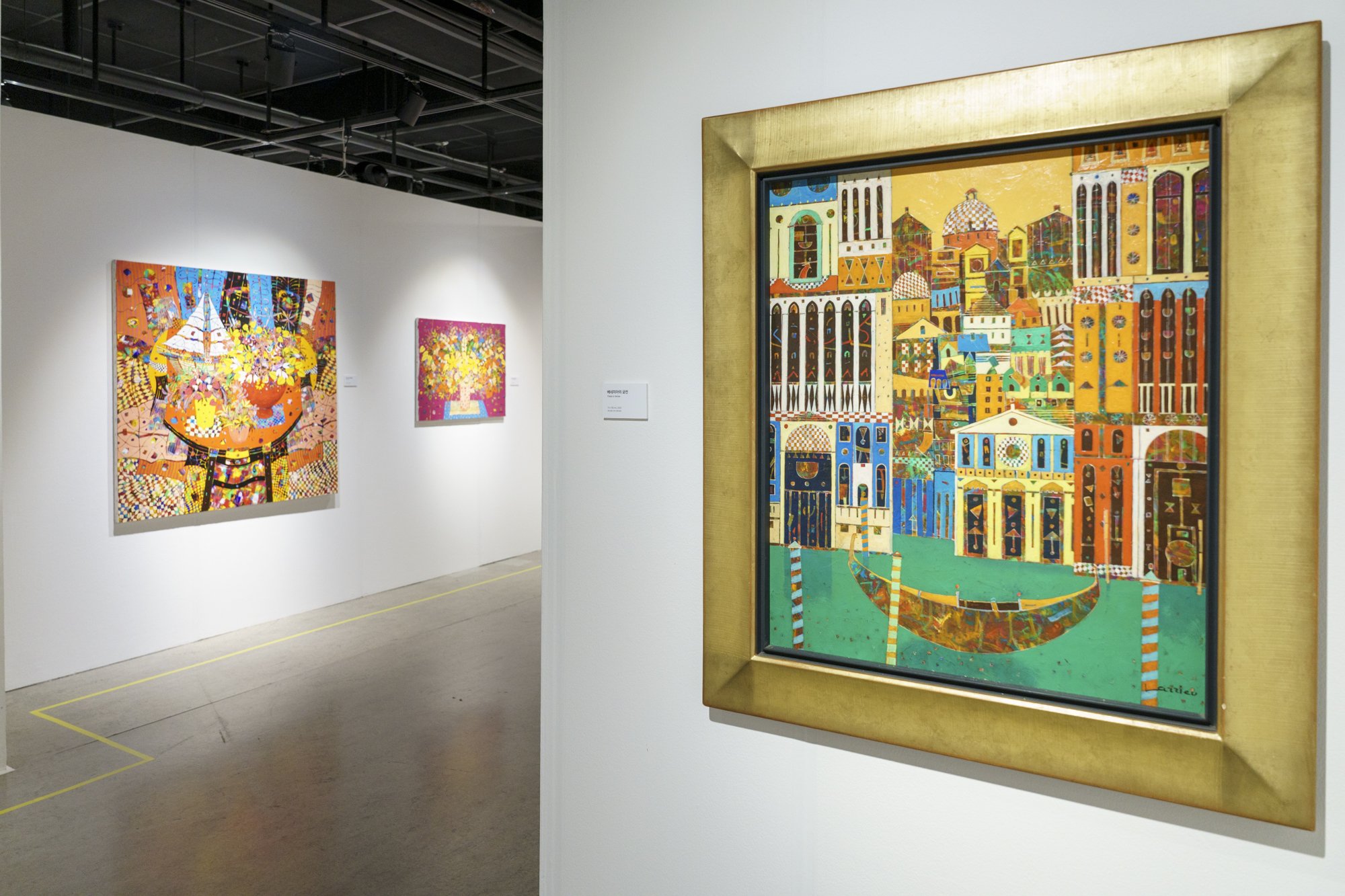
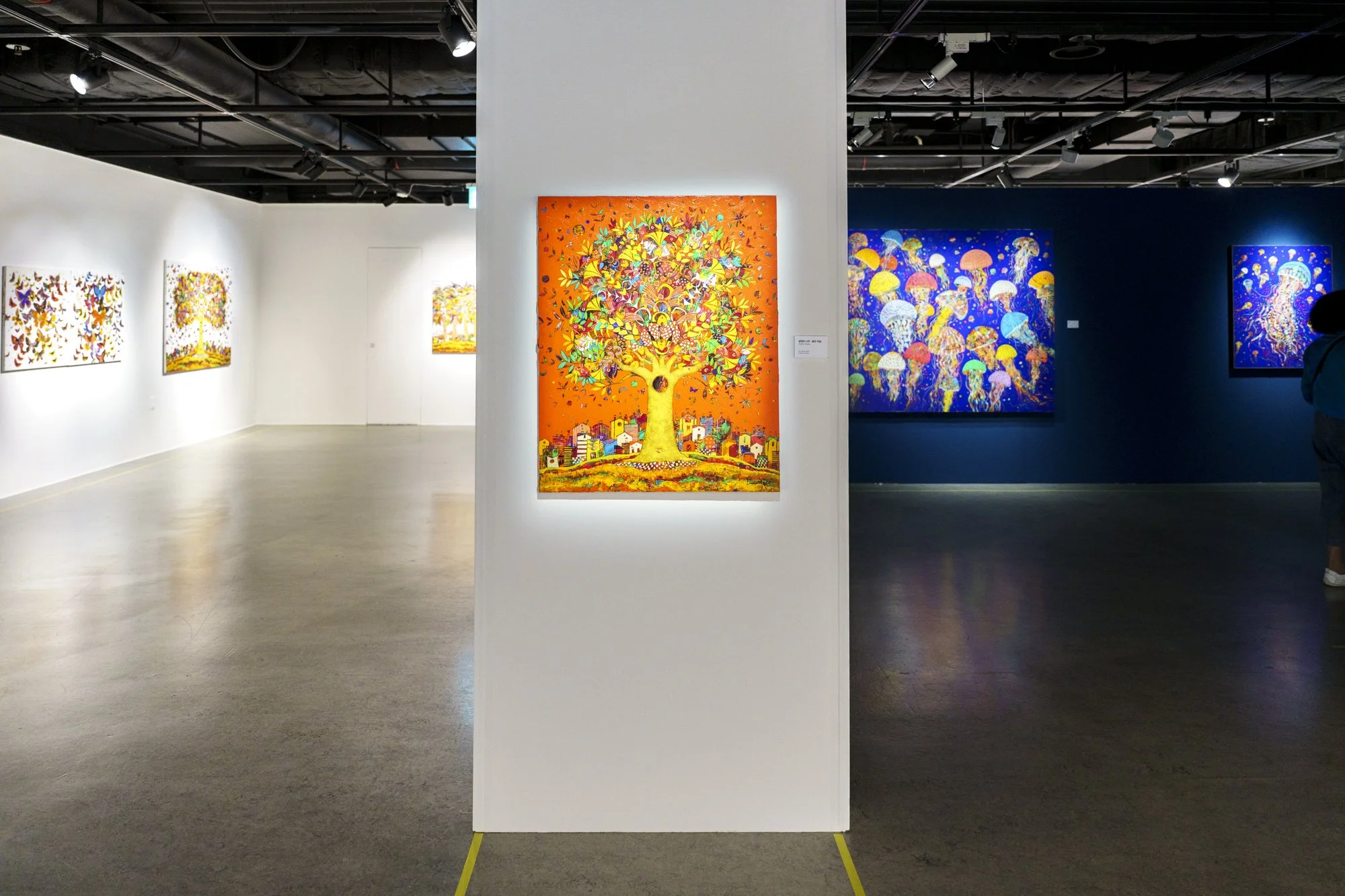
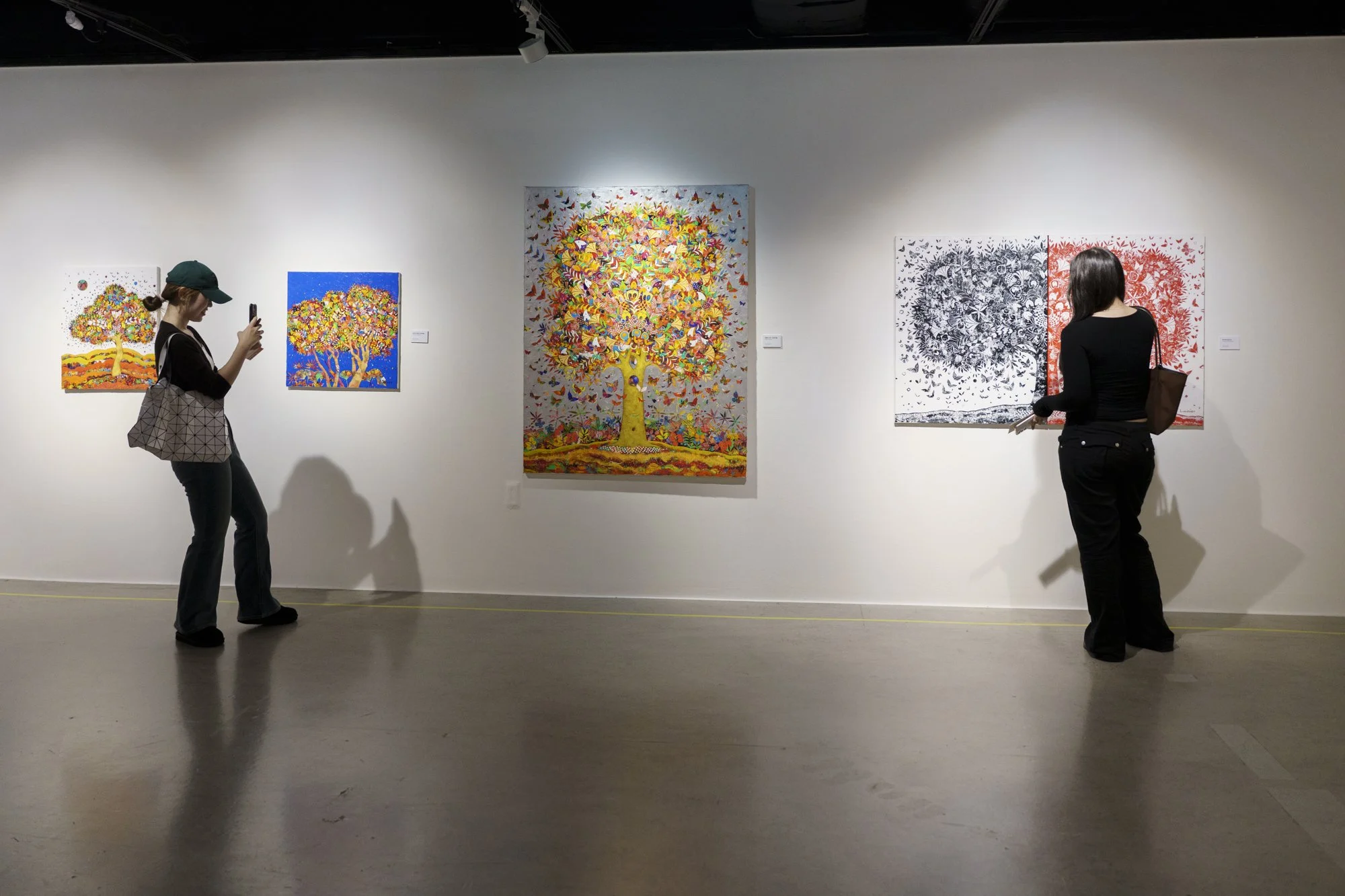
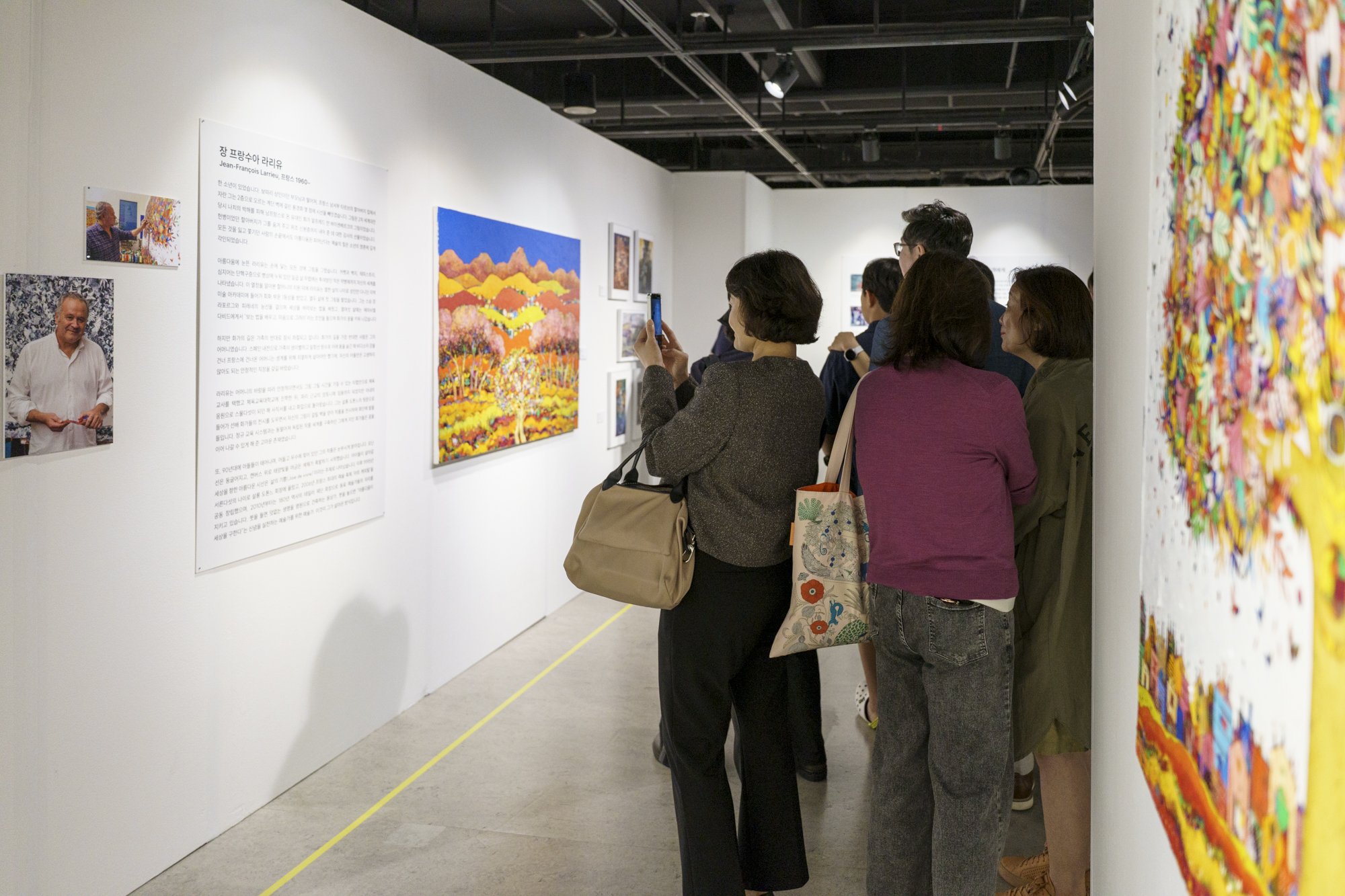
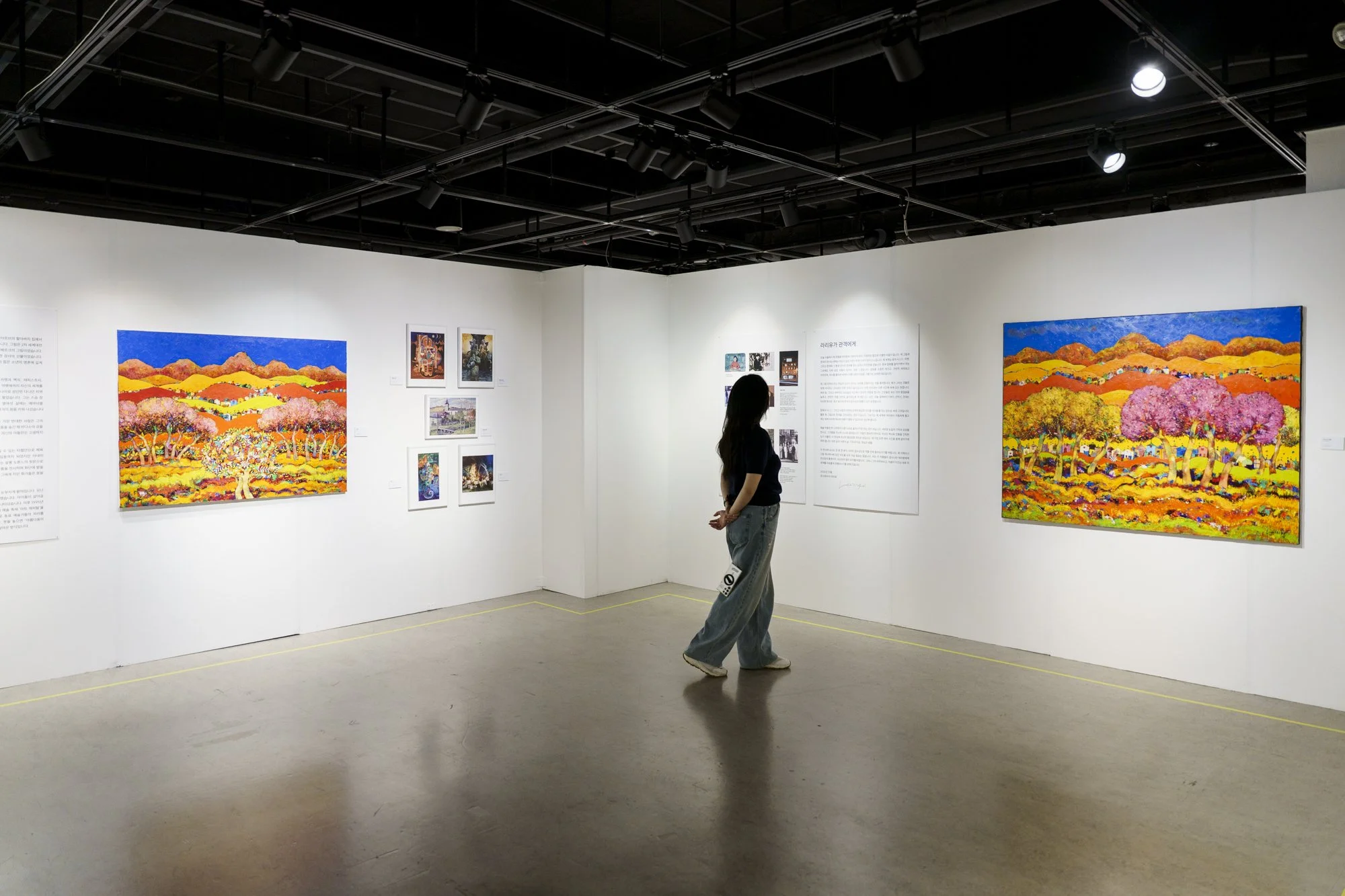
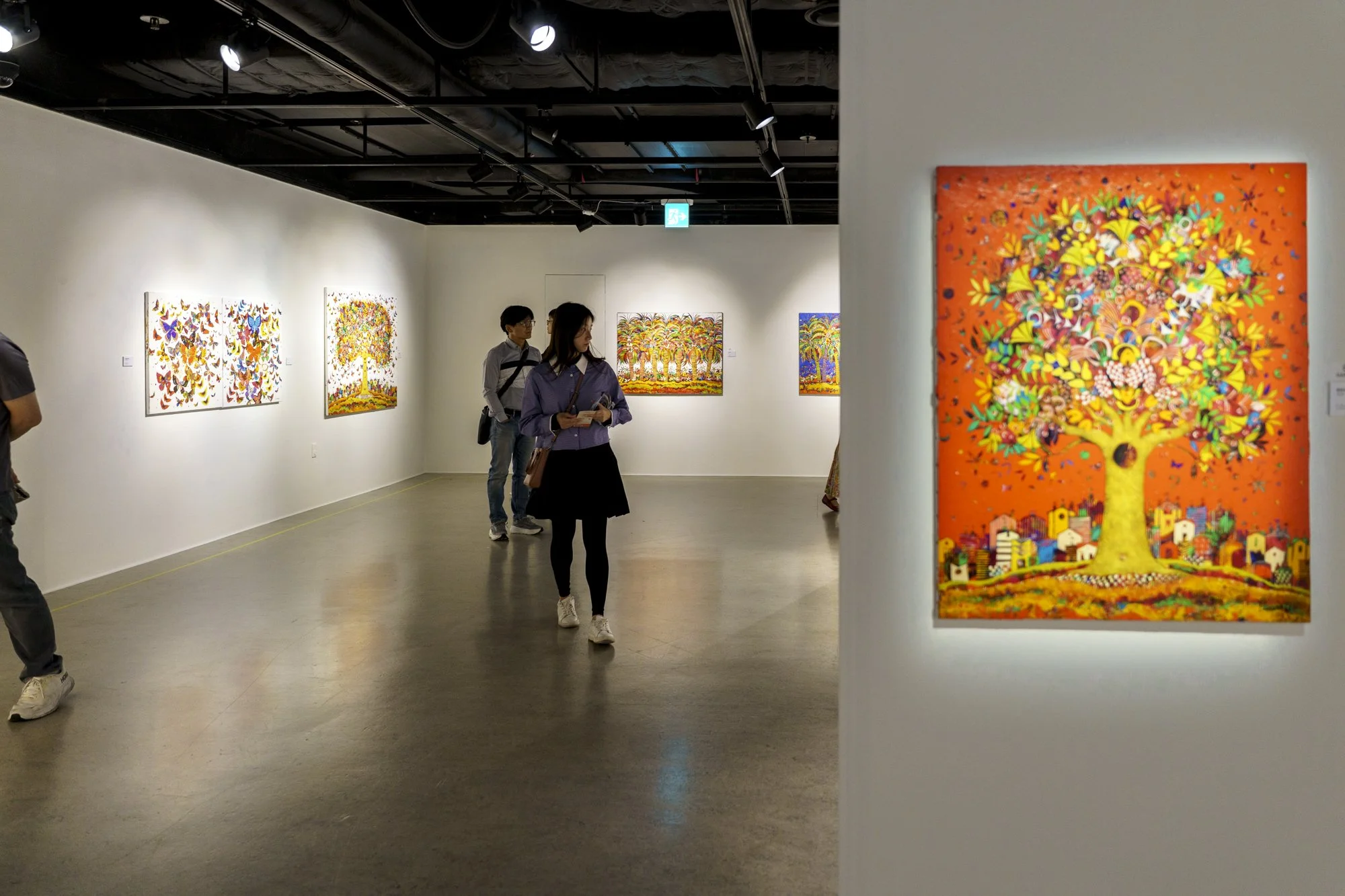
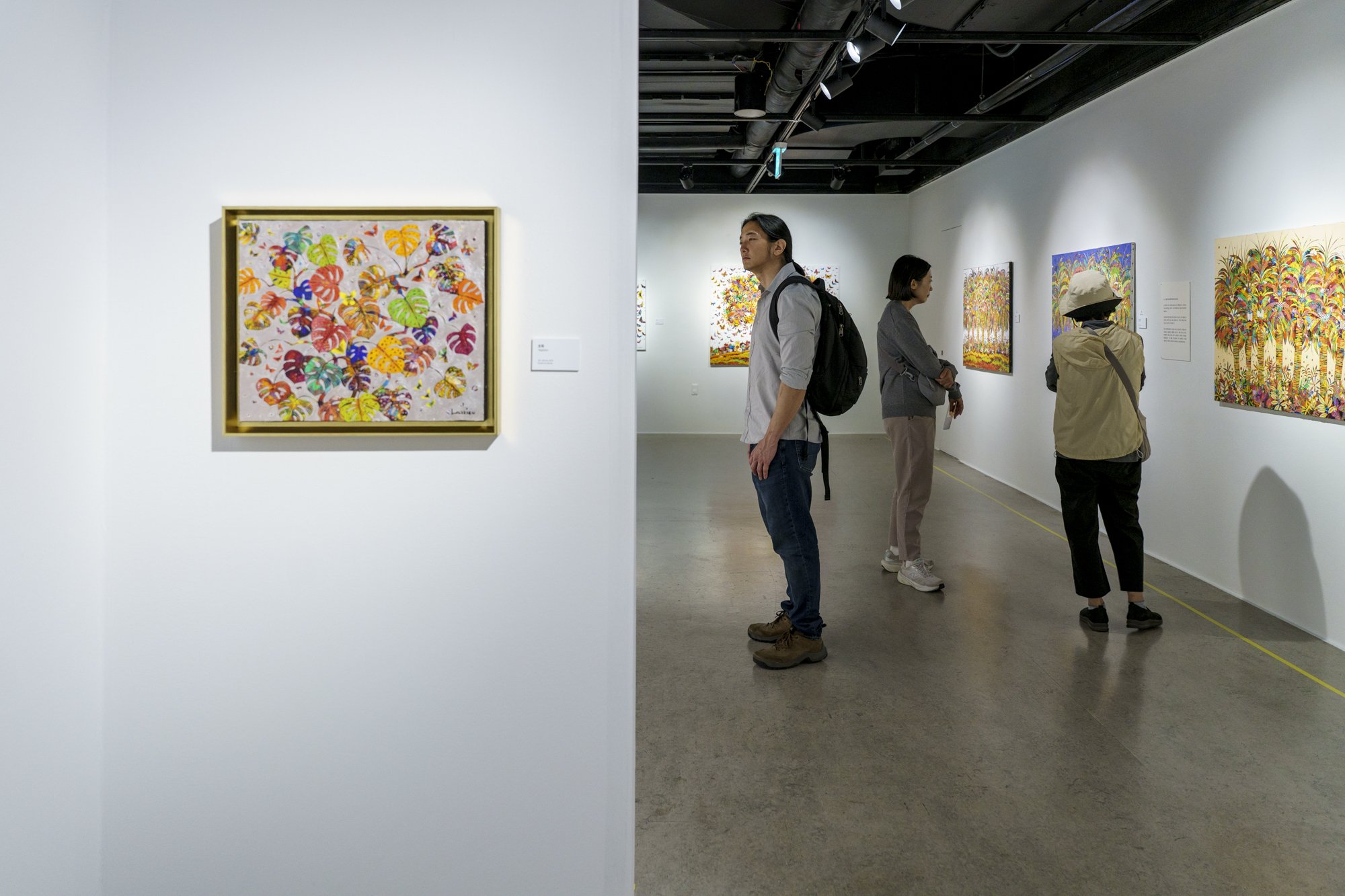
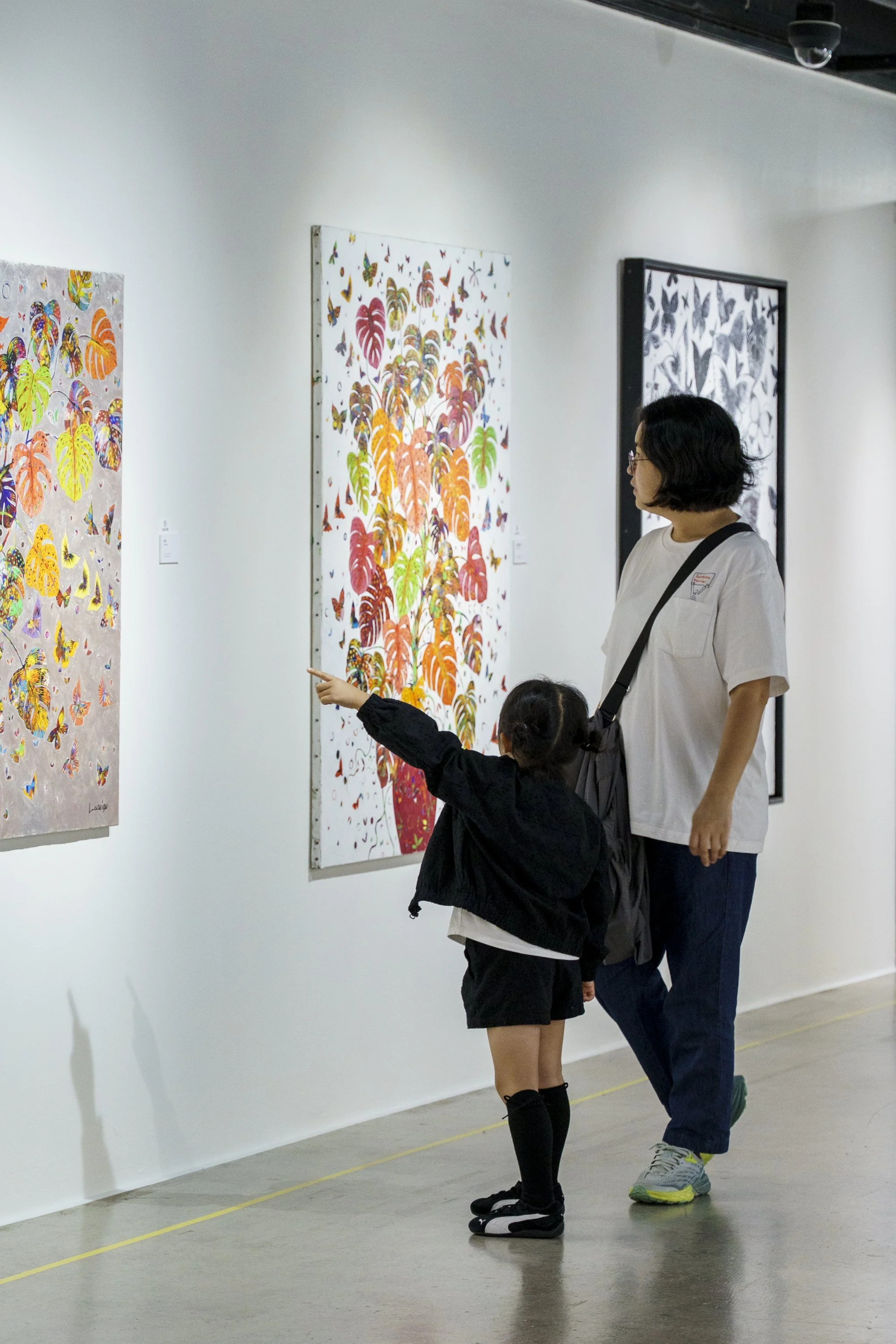
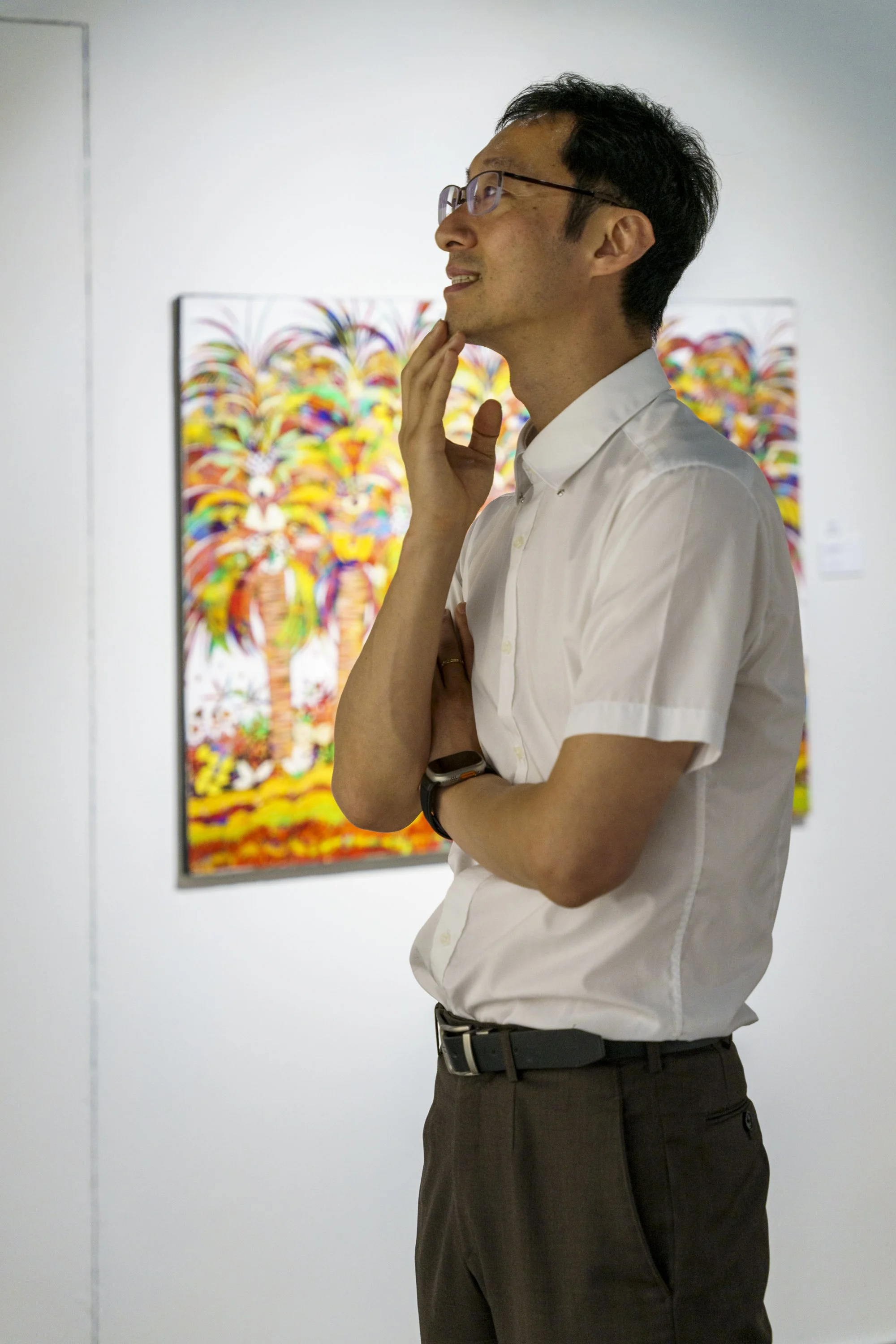
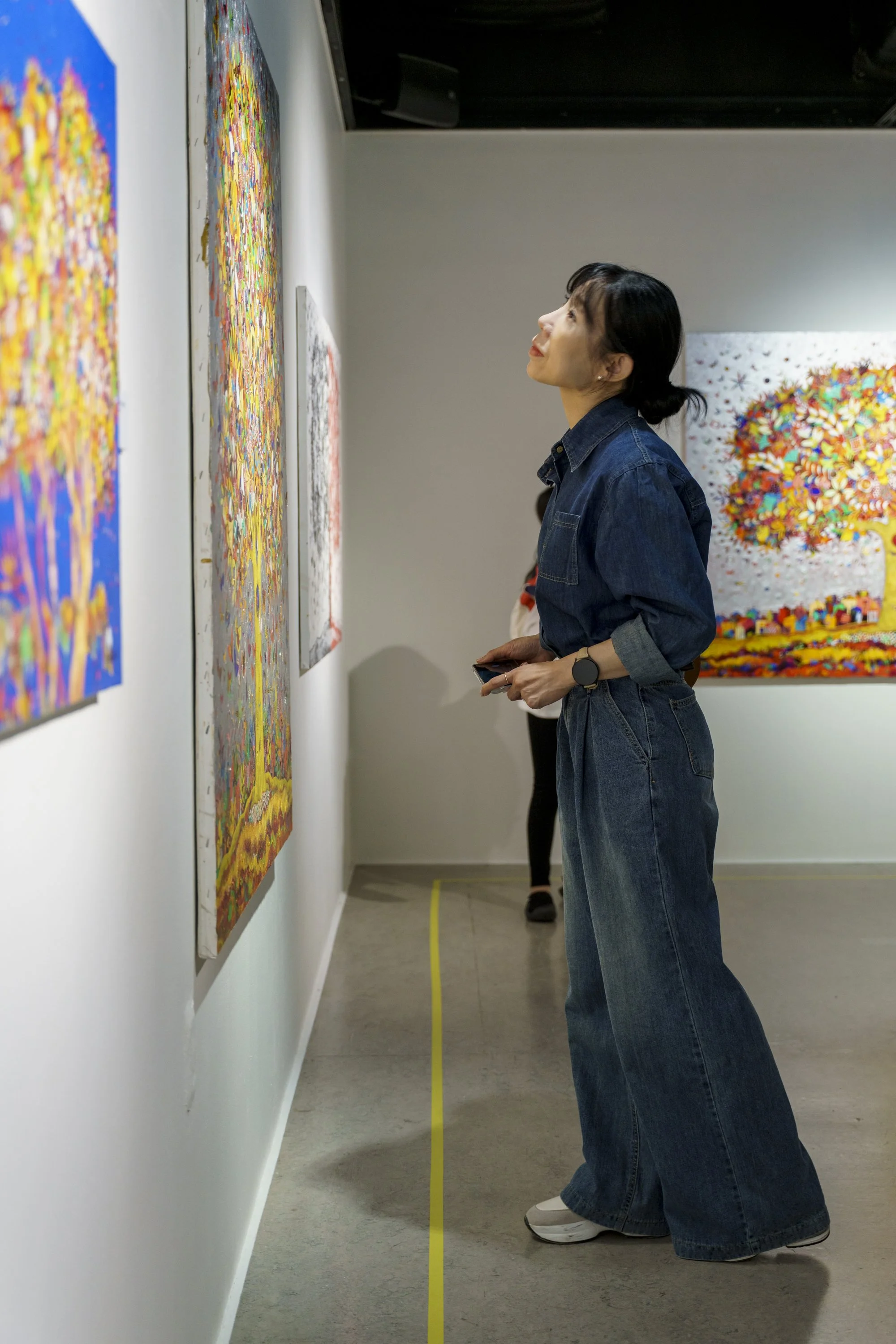
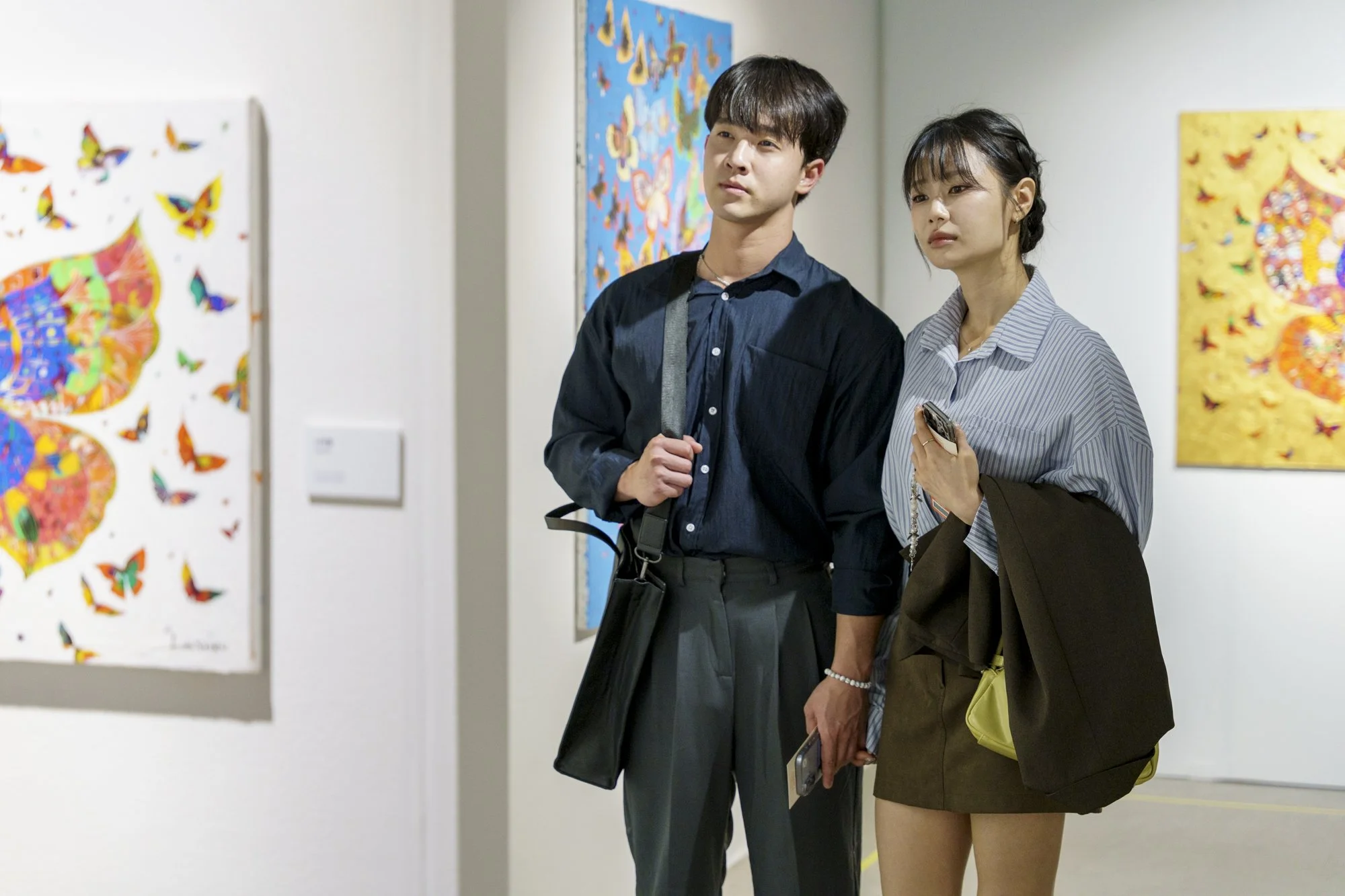
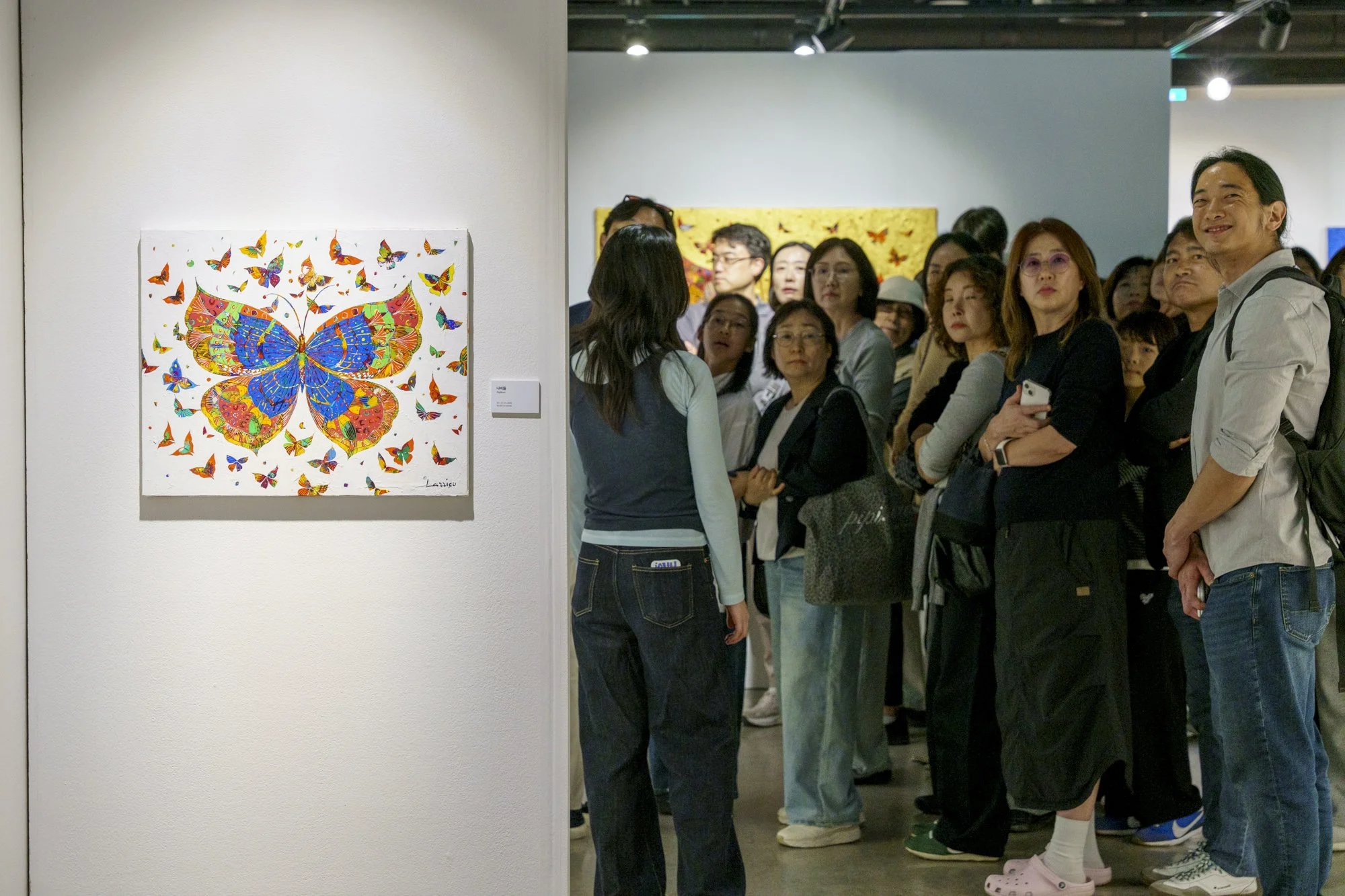
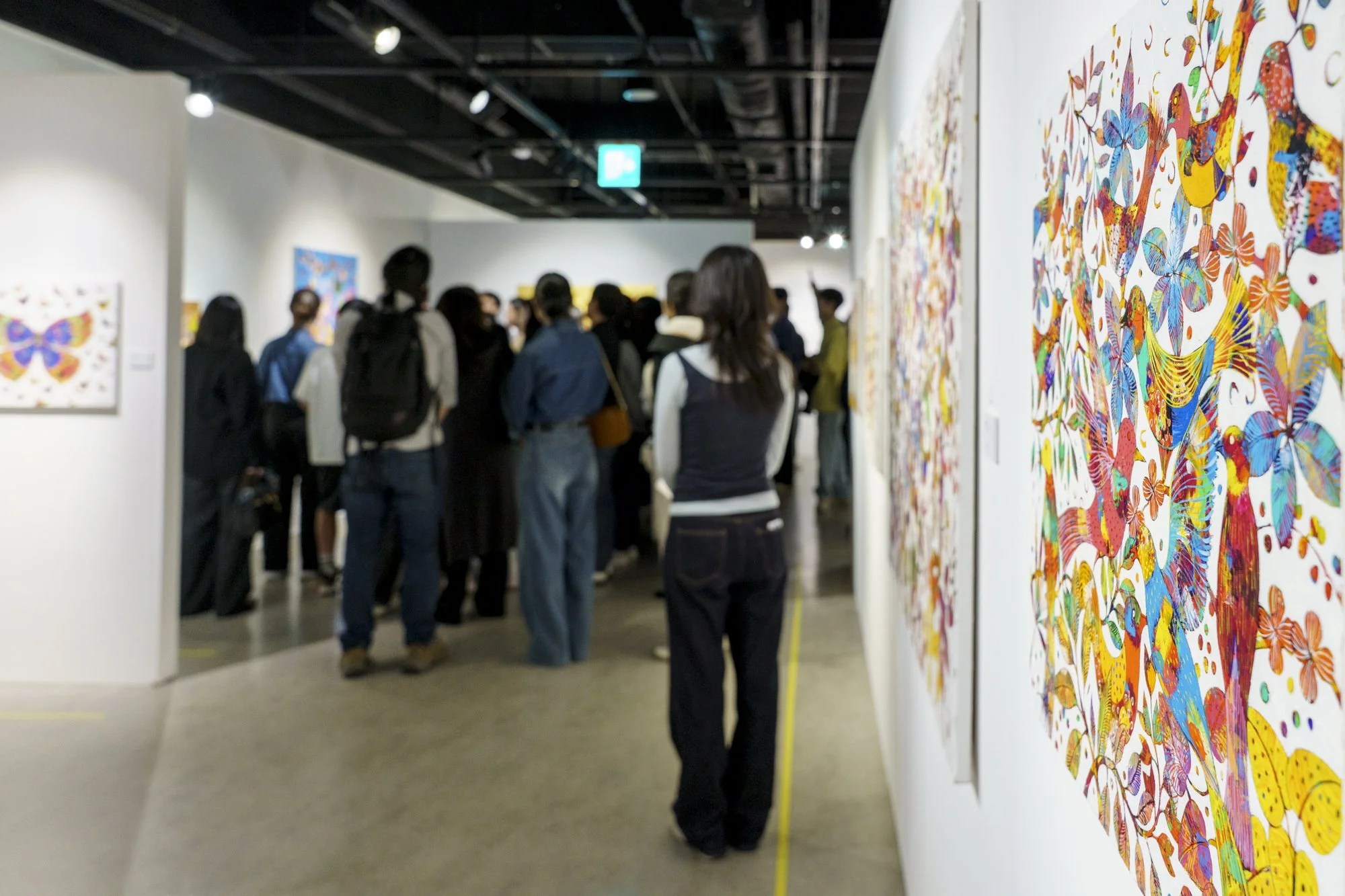
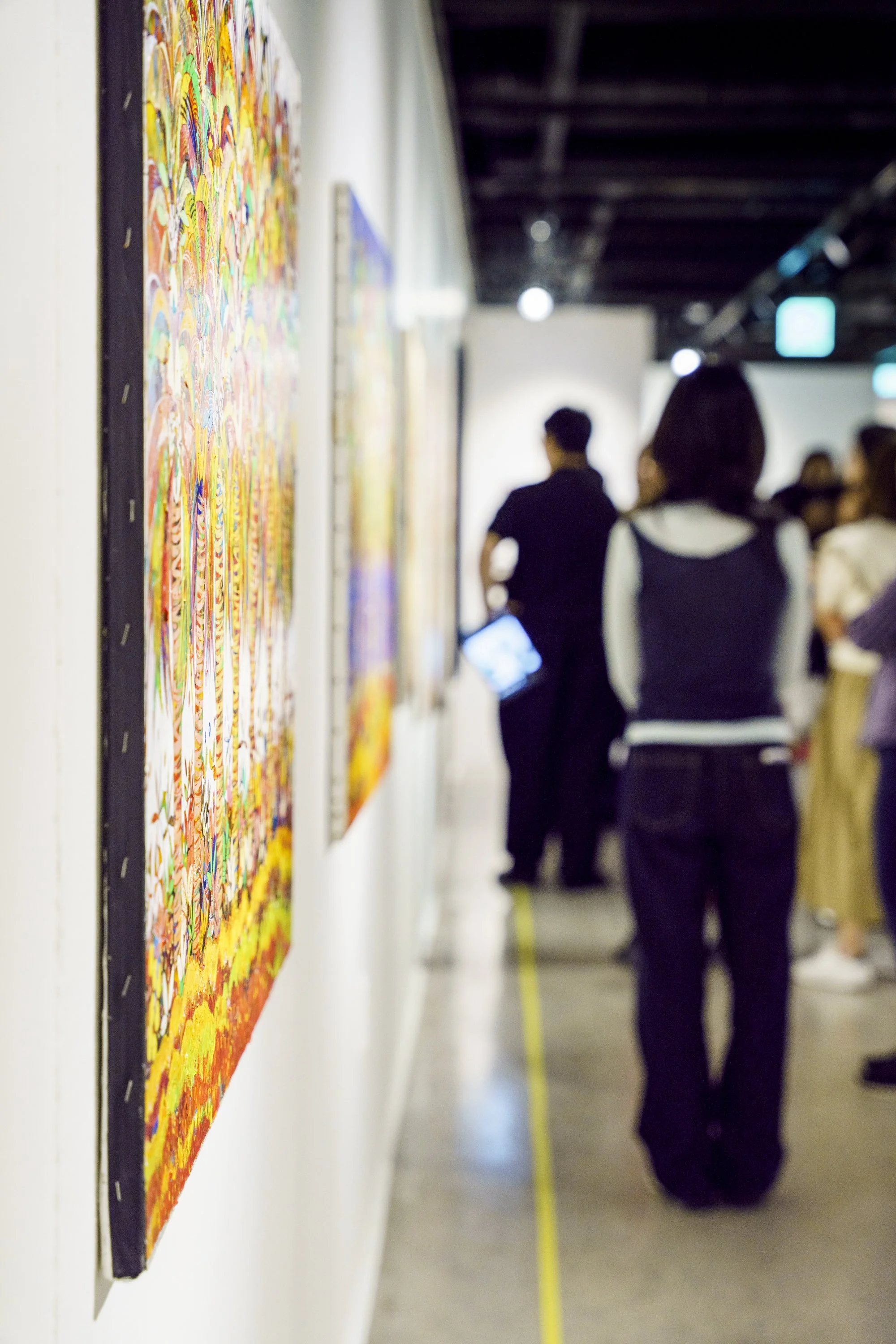
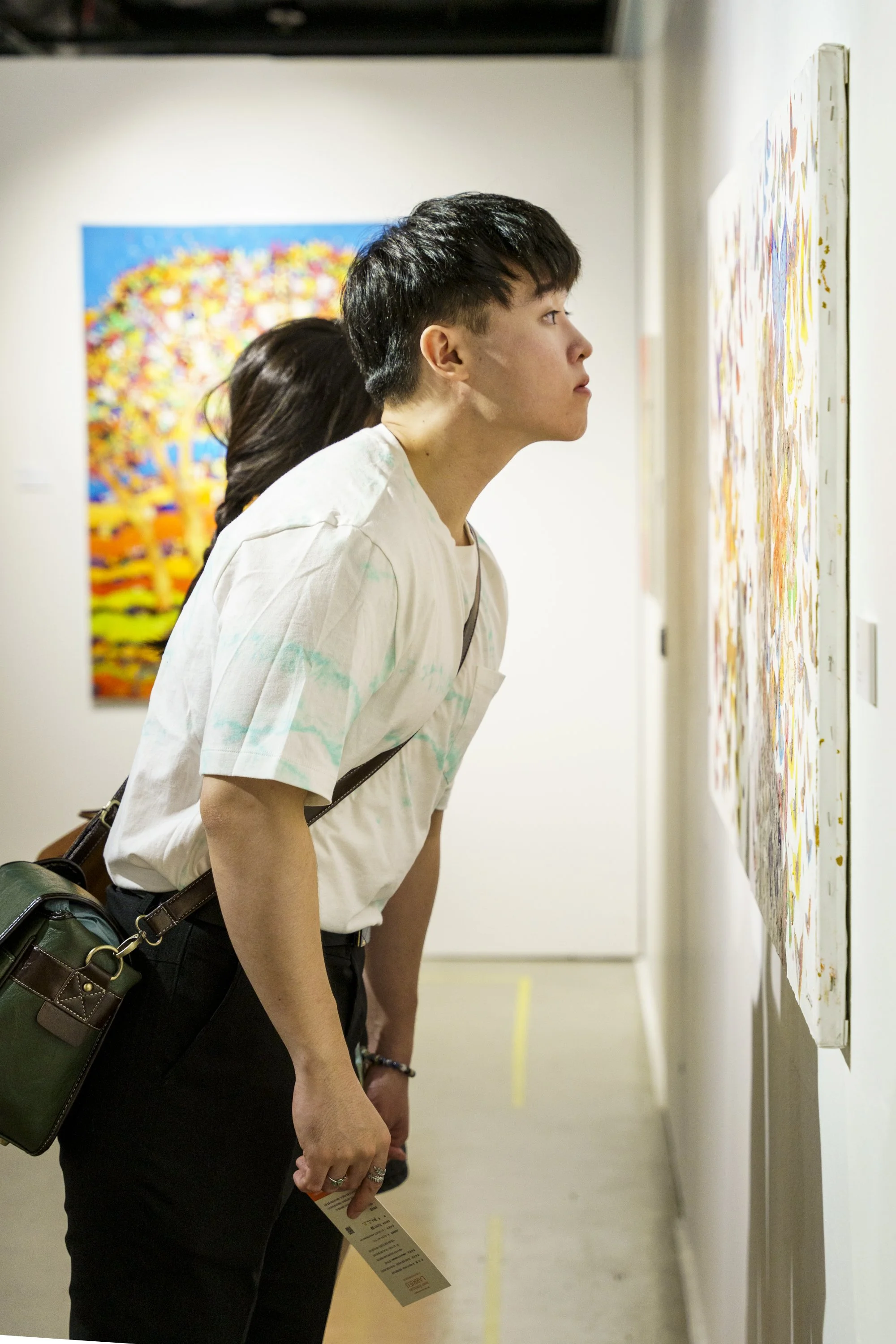
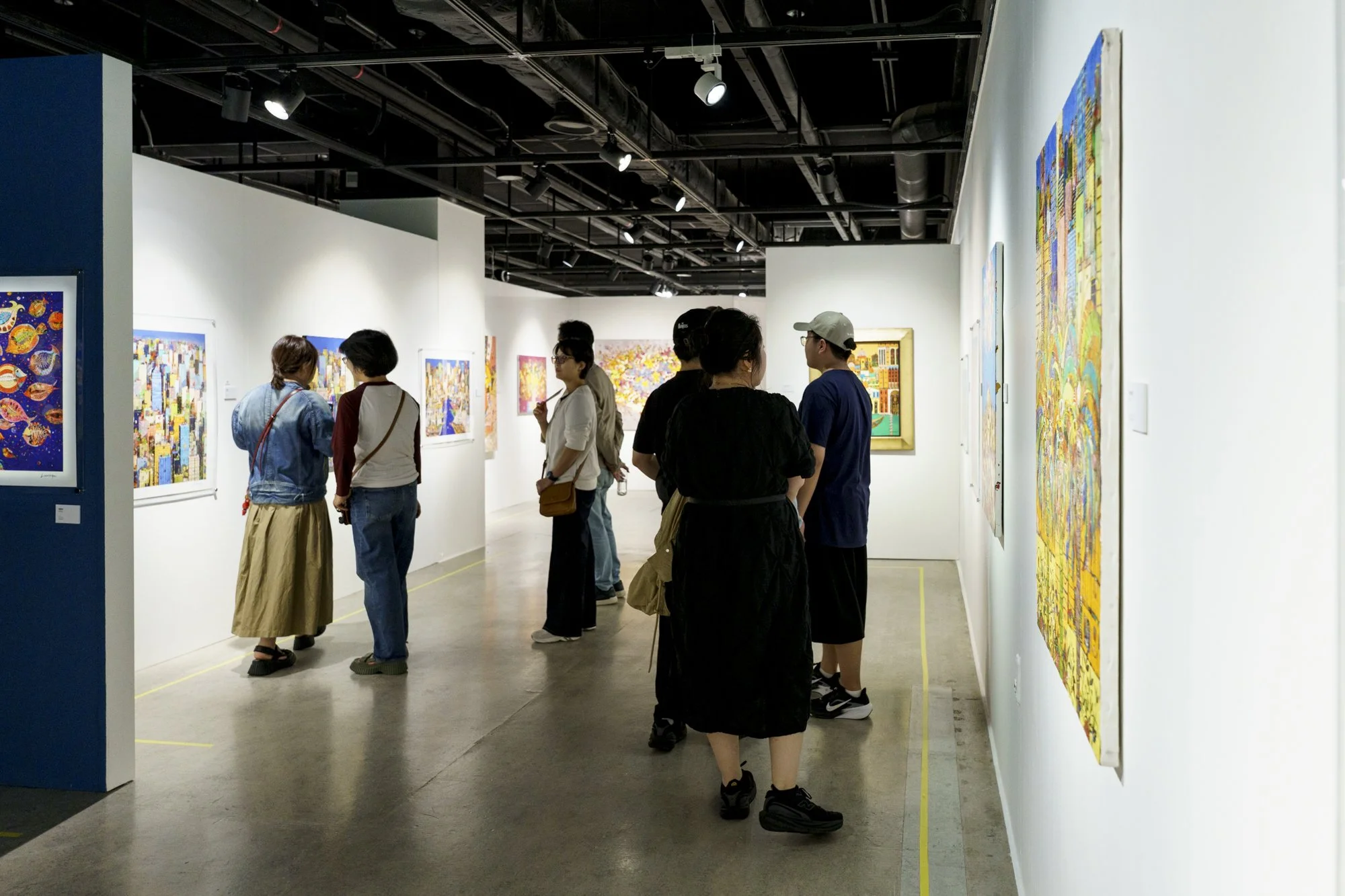
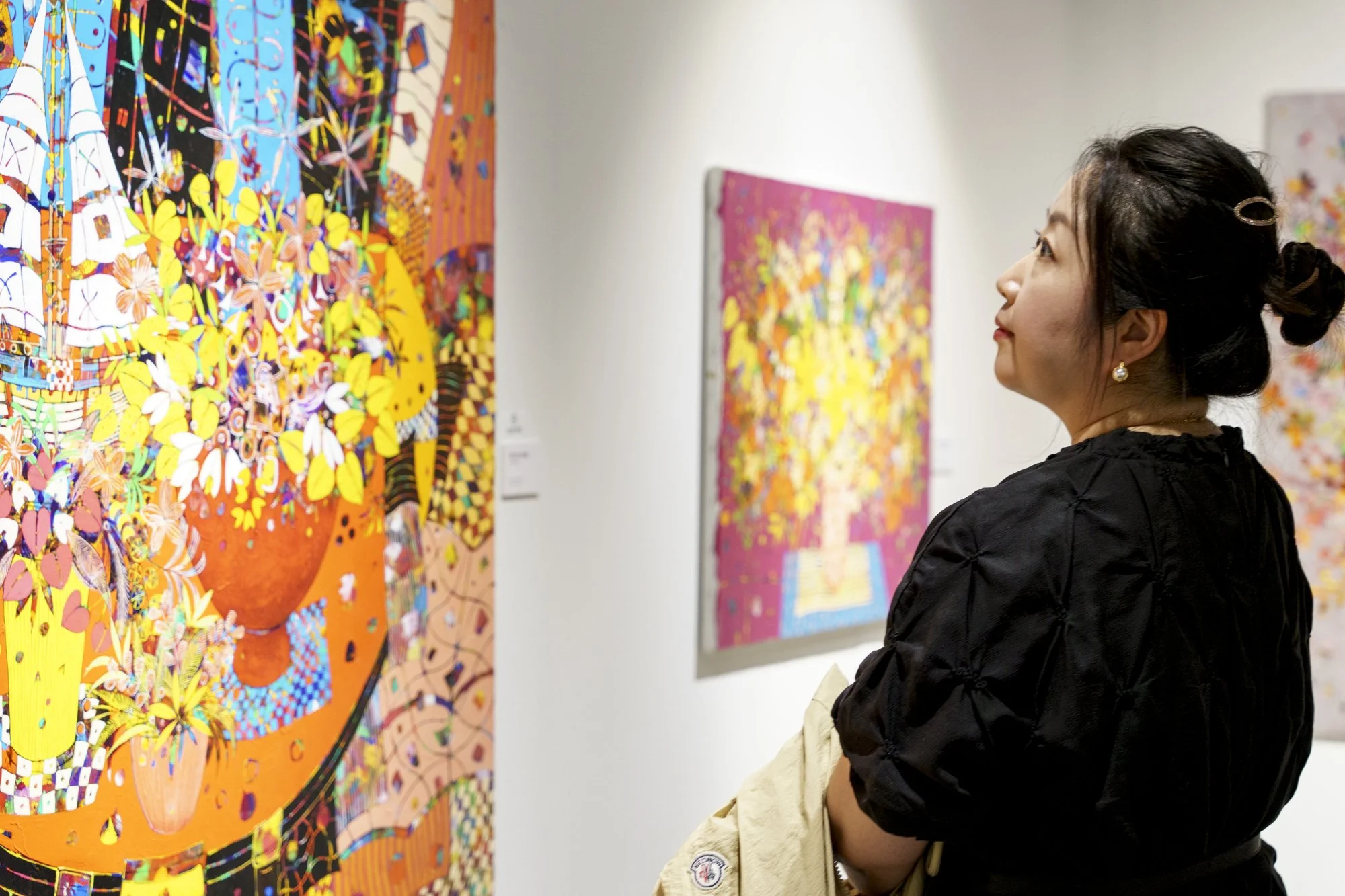
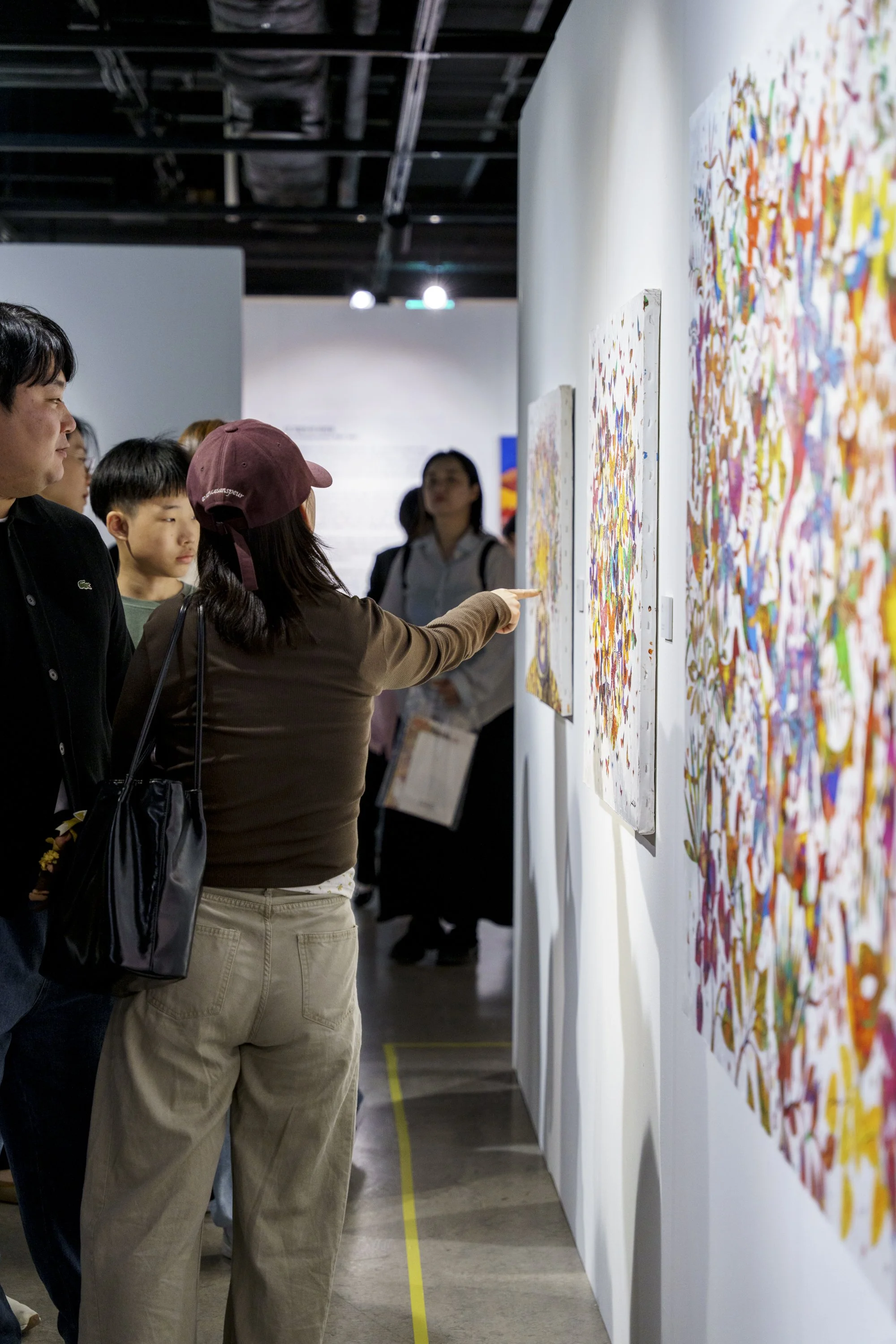
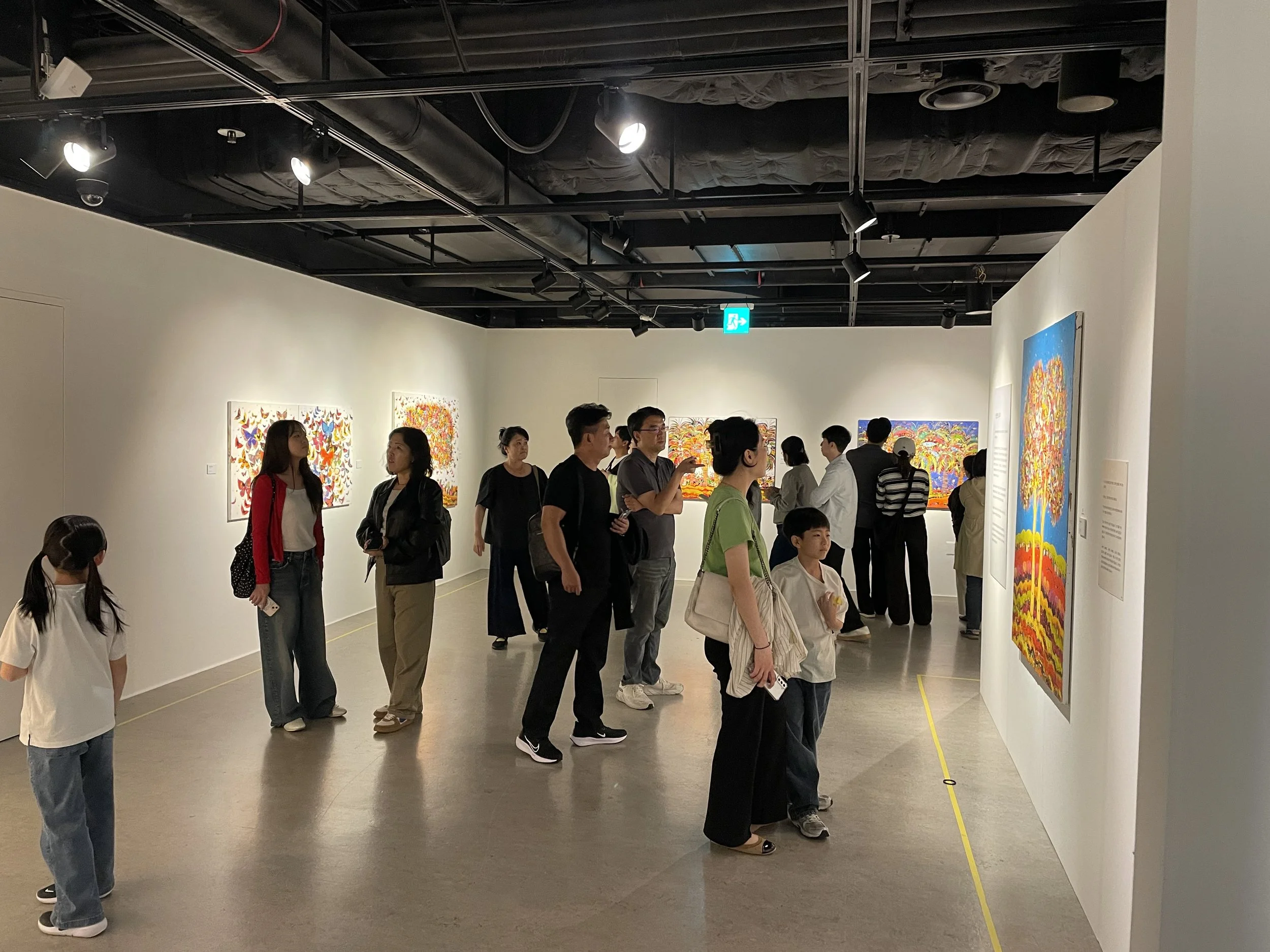
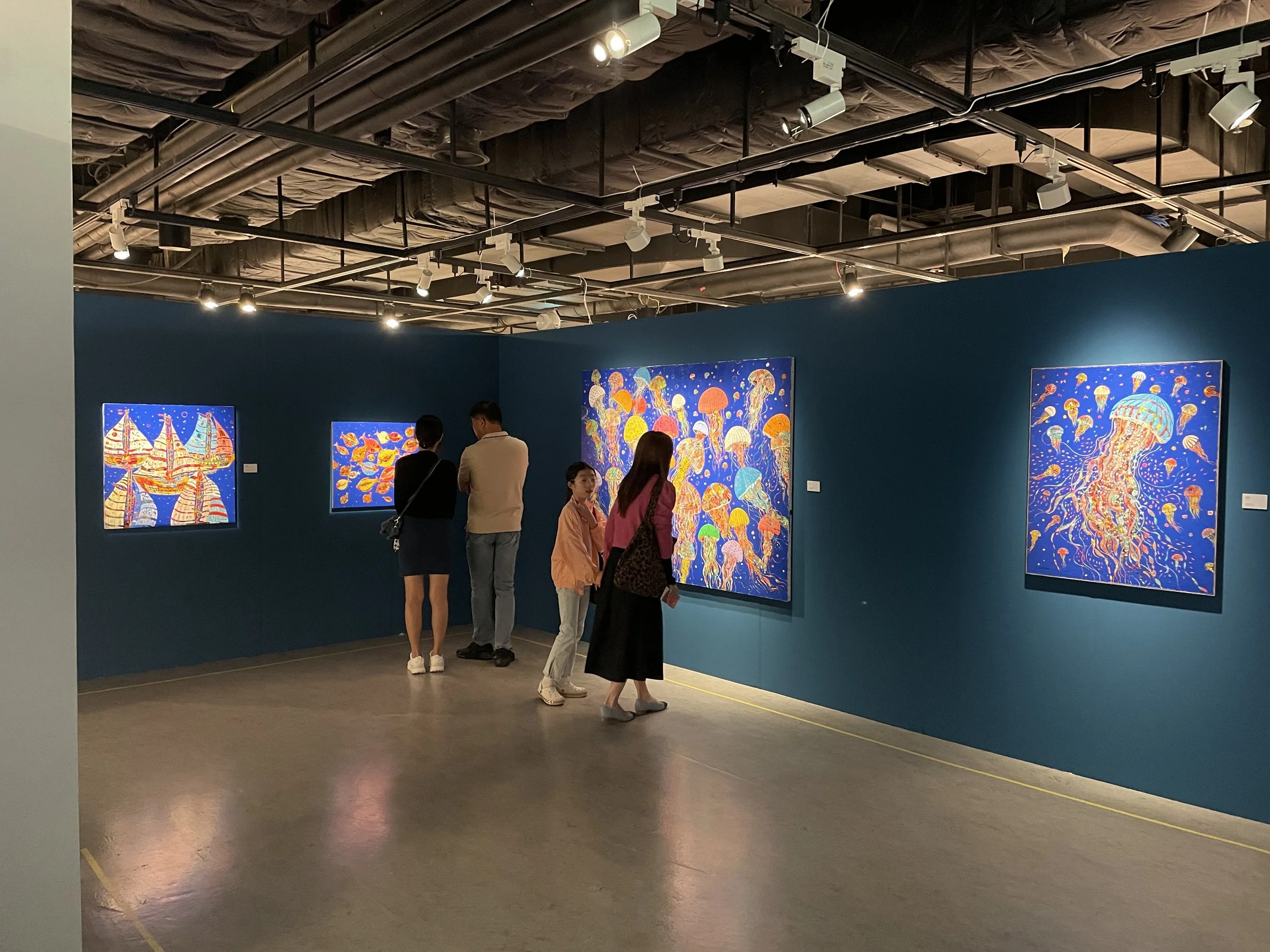
Nearly 80 original artworks, including several large-scale pieces and media art works, were brought together across five thematic spaces, offering an insight into the artist’s creative universe and artistic philosophy.
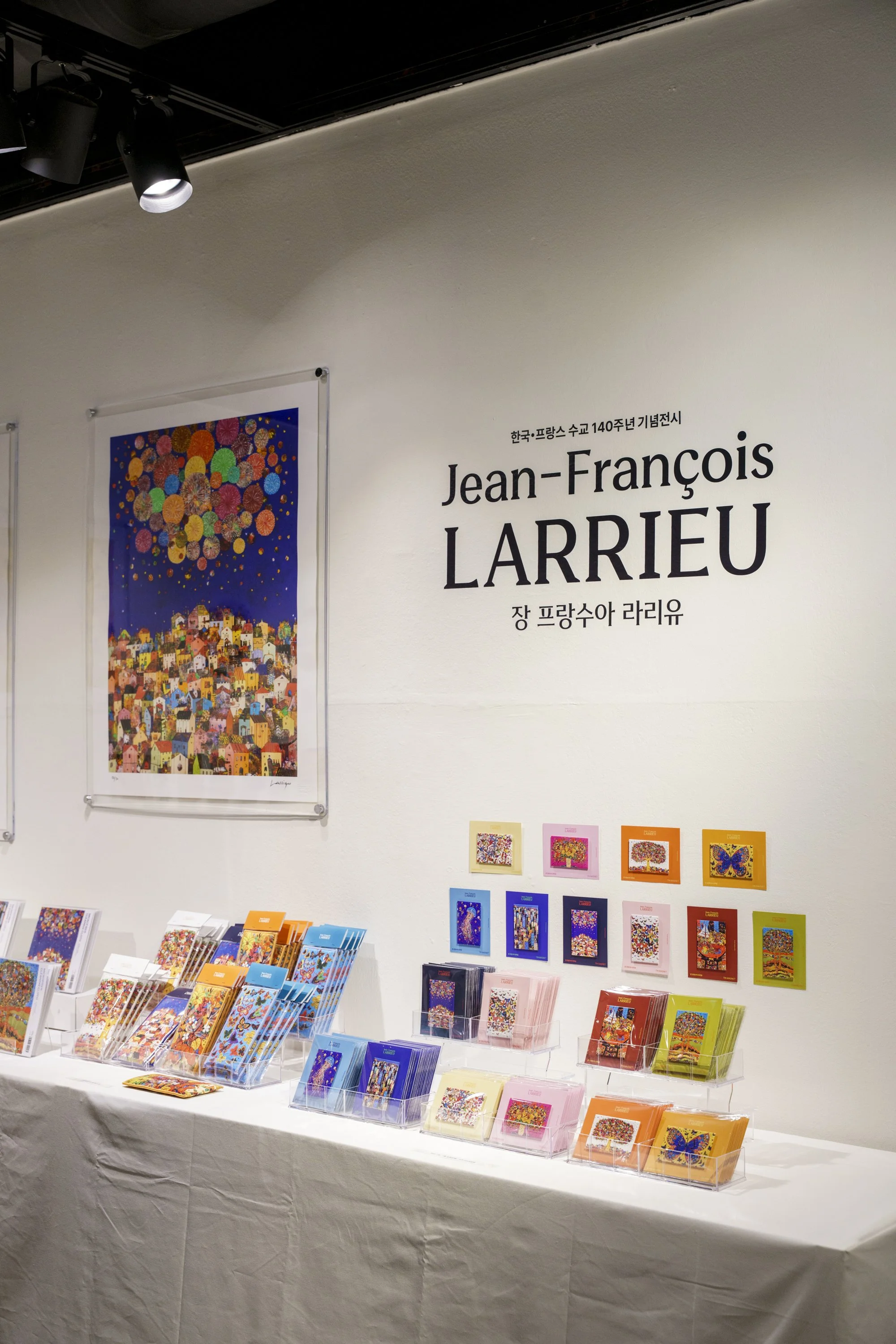
The exhibition was held with the support of the Embassy of France in the Republic of Korea and also formed part of the celebrations marking the 140th anniversary of diplomatic relations between France and Korea.
Larrieu and Korea: More Than Twenty Years of Dialogue
The relationship between Jean-François Larrieu and Korean audiences dates back to 2002, when his work was first introduced in Korea as part of the “French Figurative Painting” exhibition, held in Seoul and Gwangju. He subsequently returned to Korea on several occasions, presenting solo exhibitions in 2008, 2012 and 2016.
This latest exhibition therefore marks a major milestone in this long-standing relationship: for the first time, his work is being presented in a solo exhibition at a Korean museum.
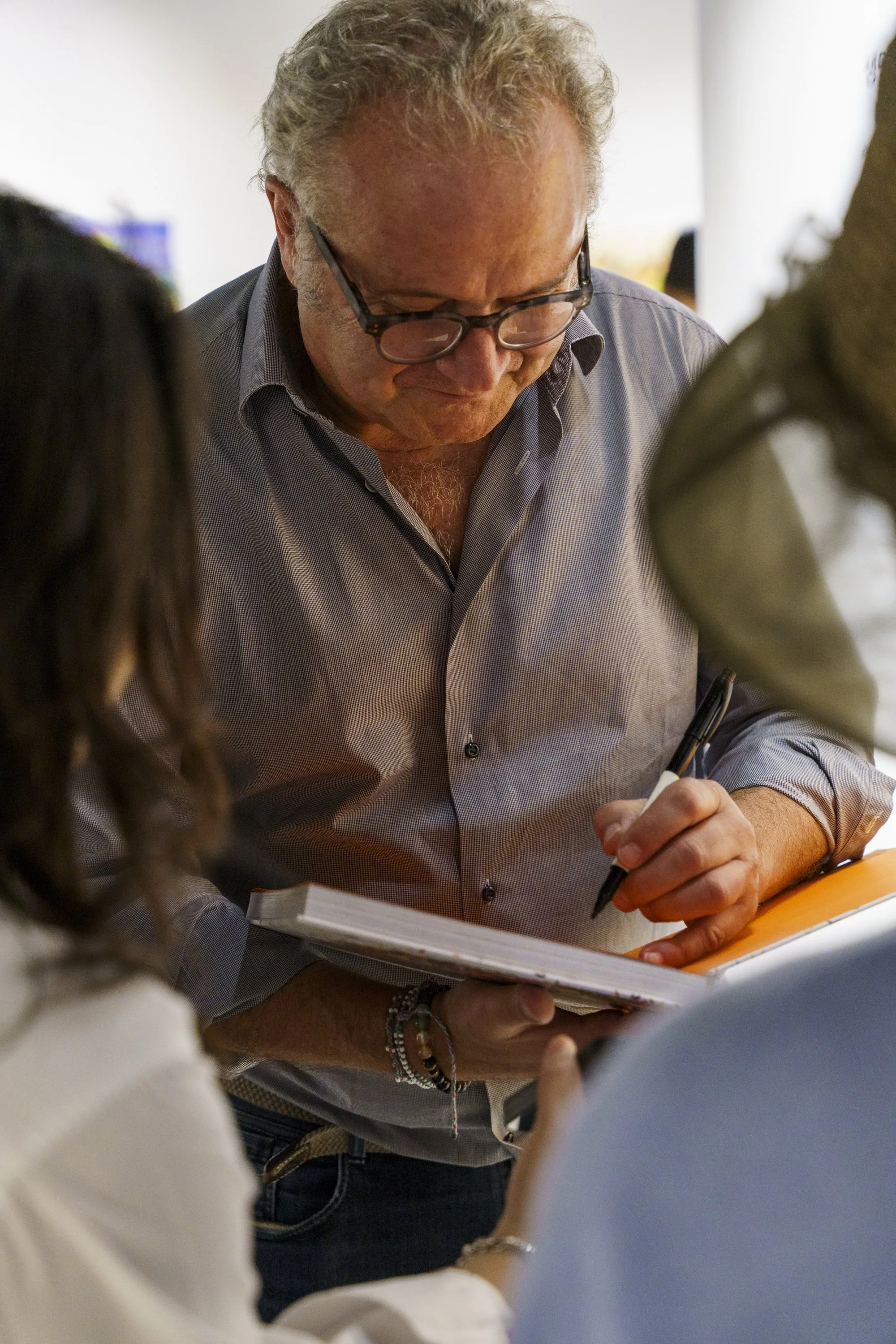
To mark the opening of the exhibition, Larrieu travelled to Korea in person and took part in an exclusive autograph-signing session, giving members of the public a unique opportunity to meet the artist.
Following its presentation at the Seoul Arts Center, the exhibition will continue its journey at the Moda Museum in Hannam-dong, before embarking on a nationwide tour of Korea over the following two years.
This tour will enable an ever-wider audience to discover Jean-François Larrieu’s artistic universe and his message of hope, beauty and coexistence.
“Coexistence”: A Philosophy of Balance
The title of the exhibition, “Coexistence,” encapsulates Jean-François Larrieu’s artistic approach.
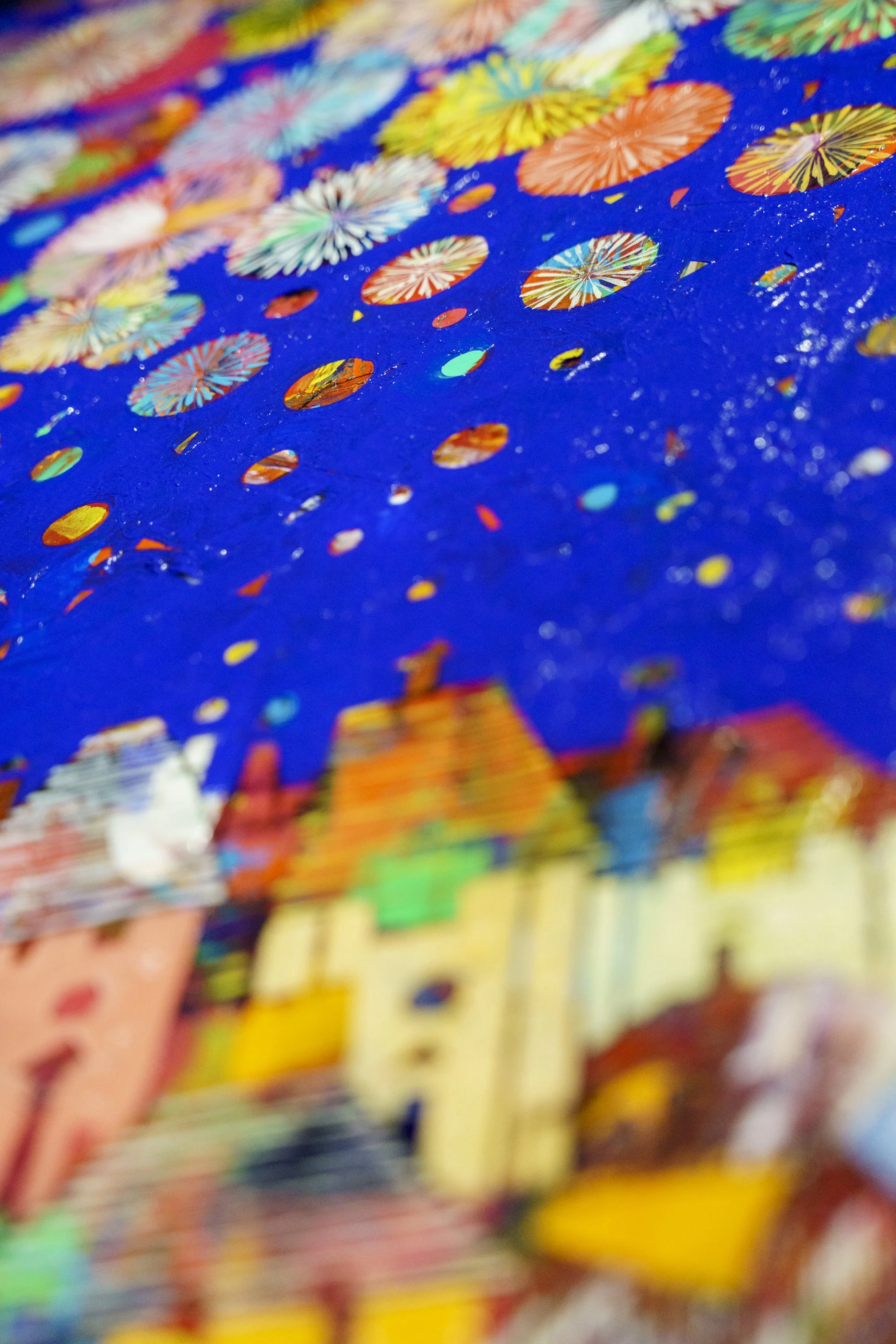
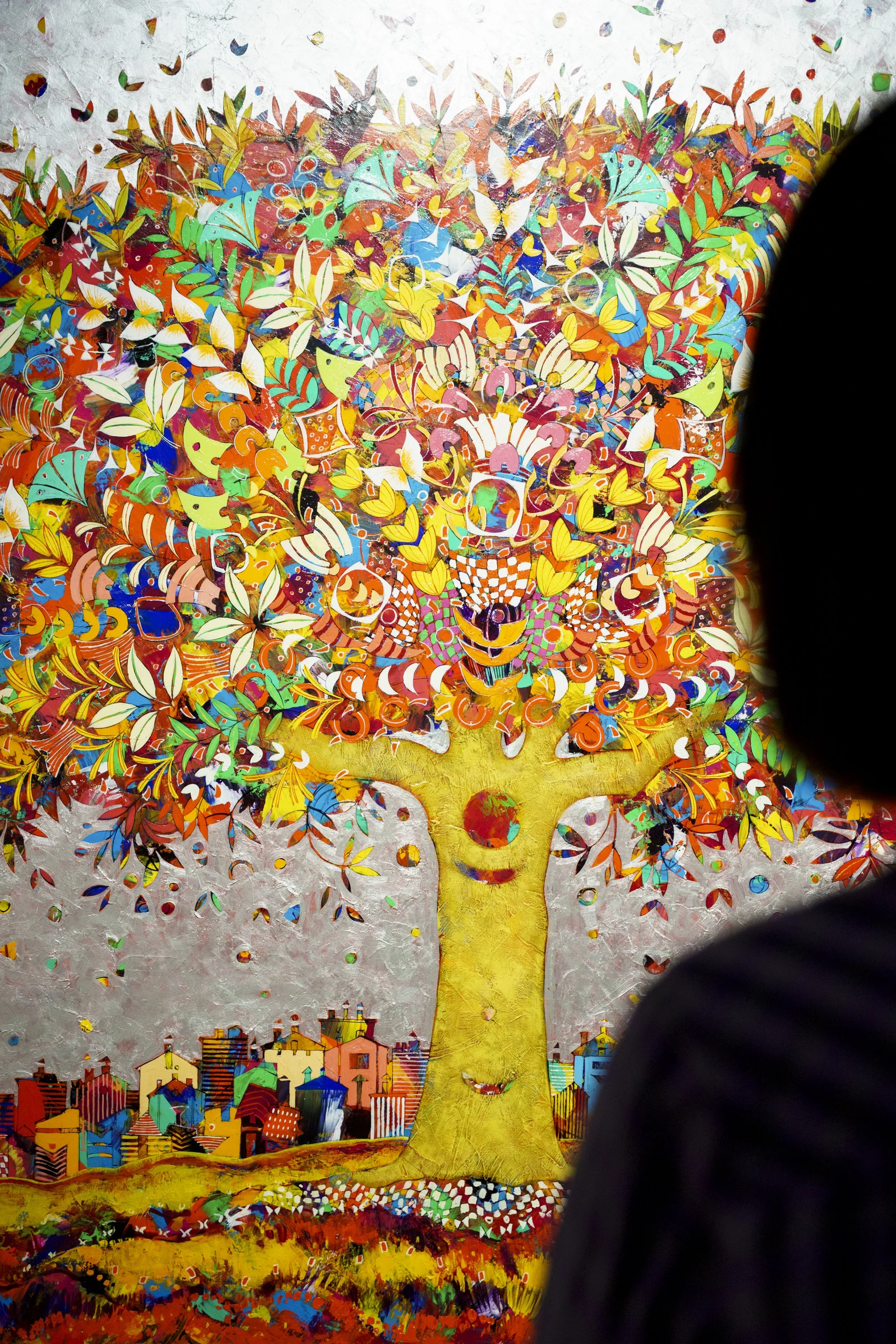
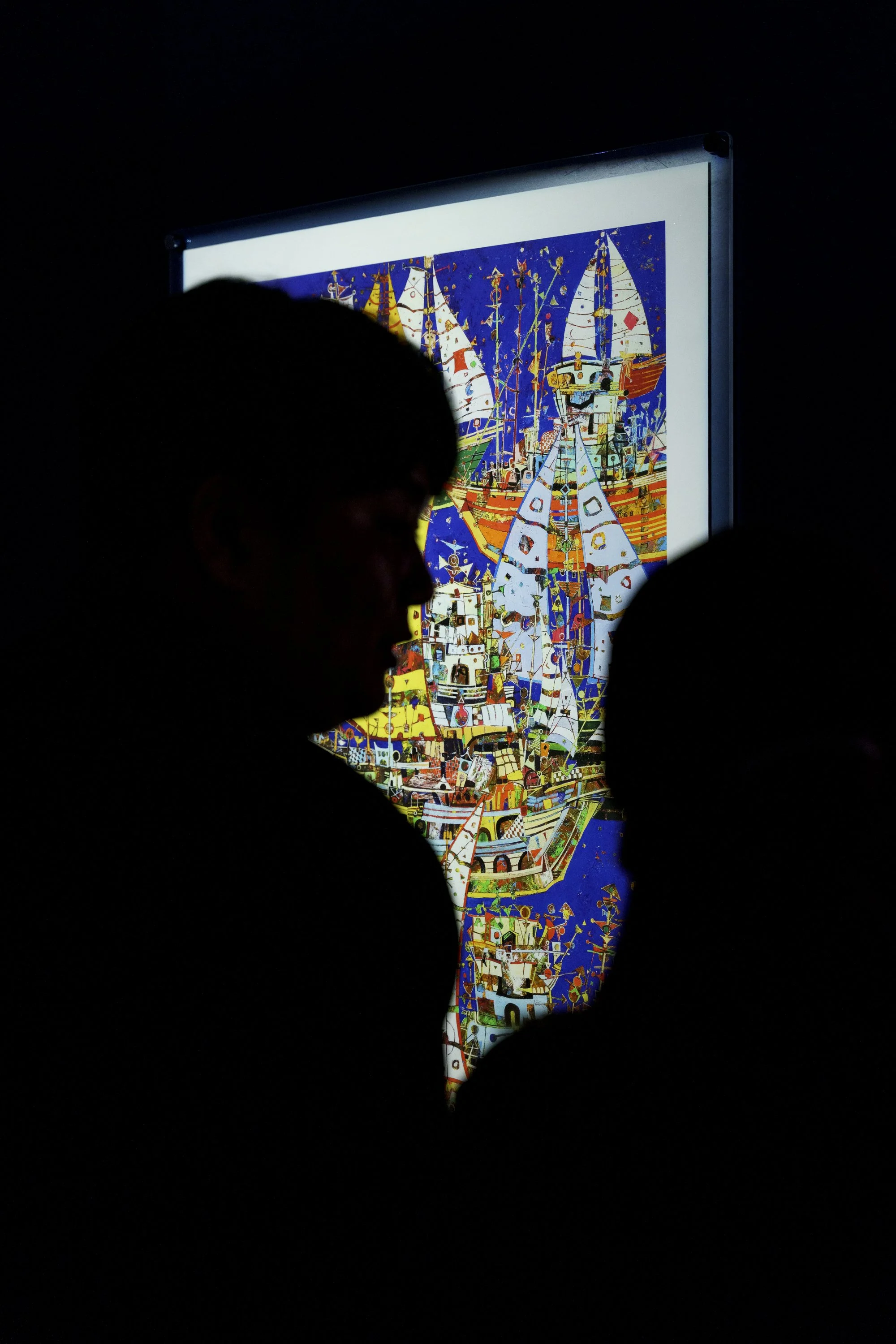
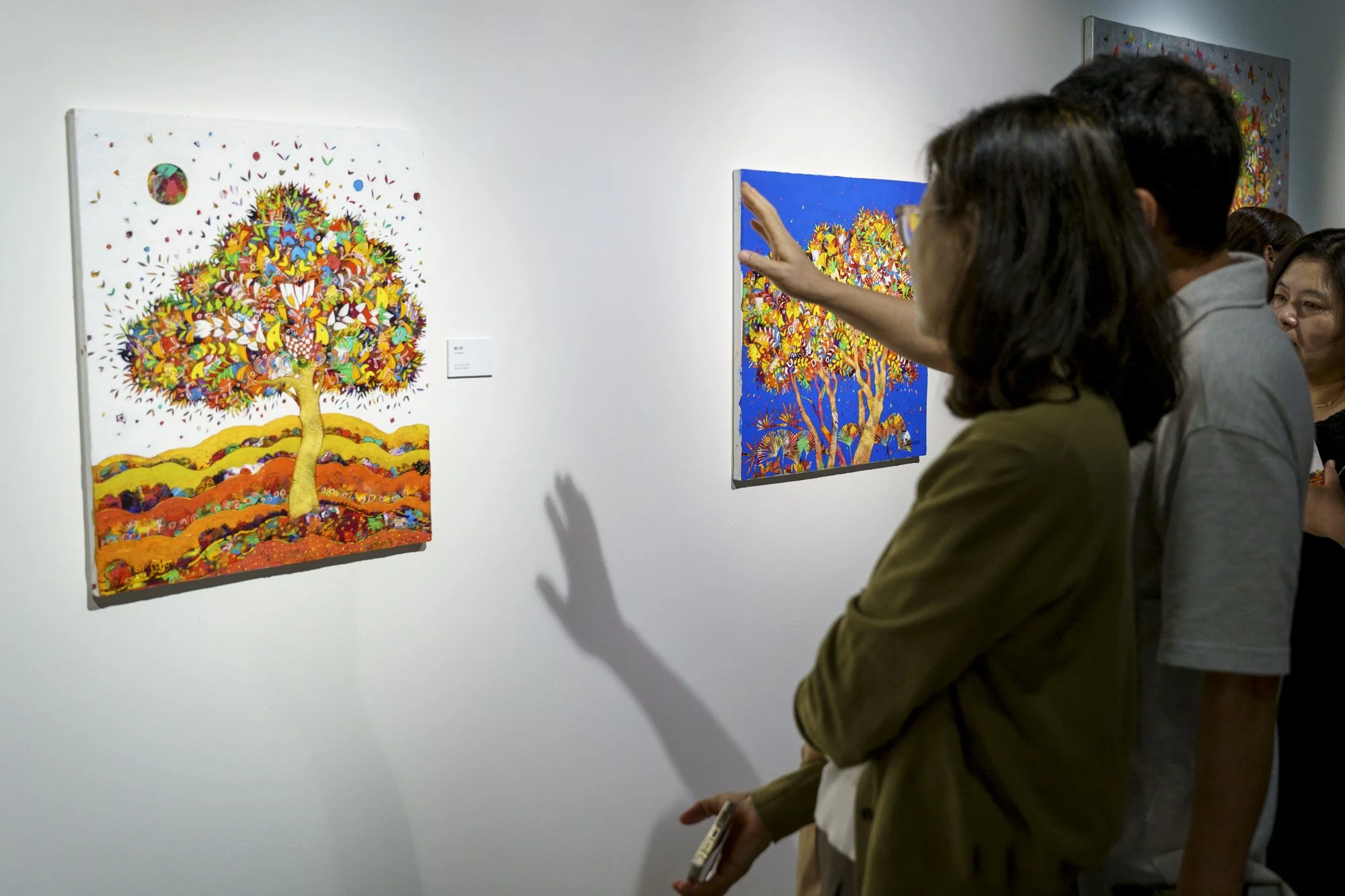
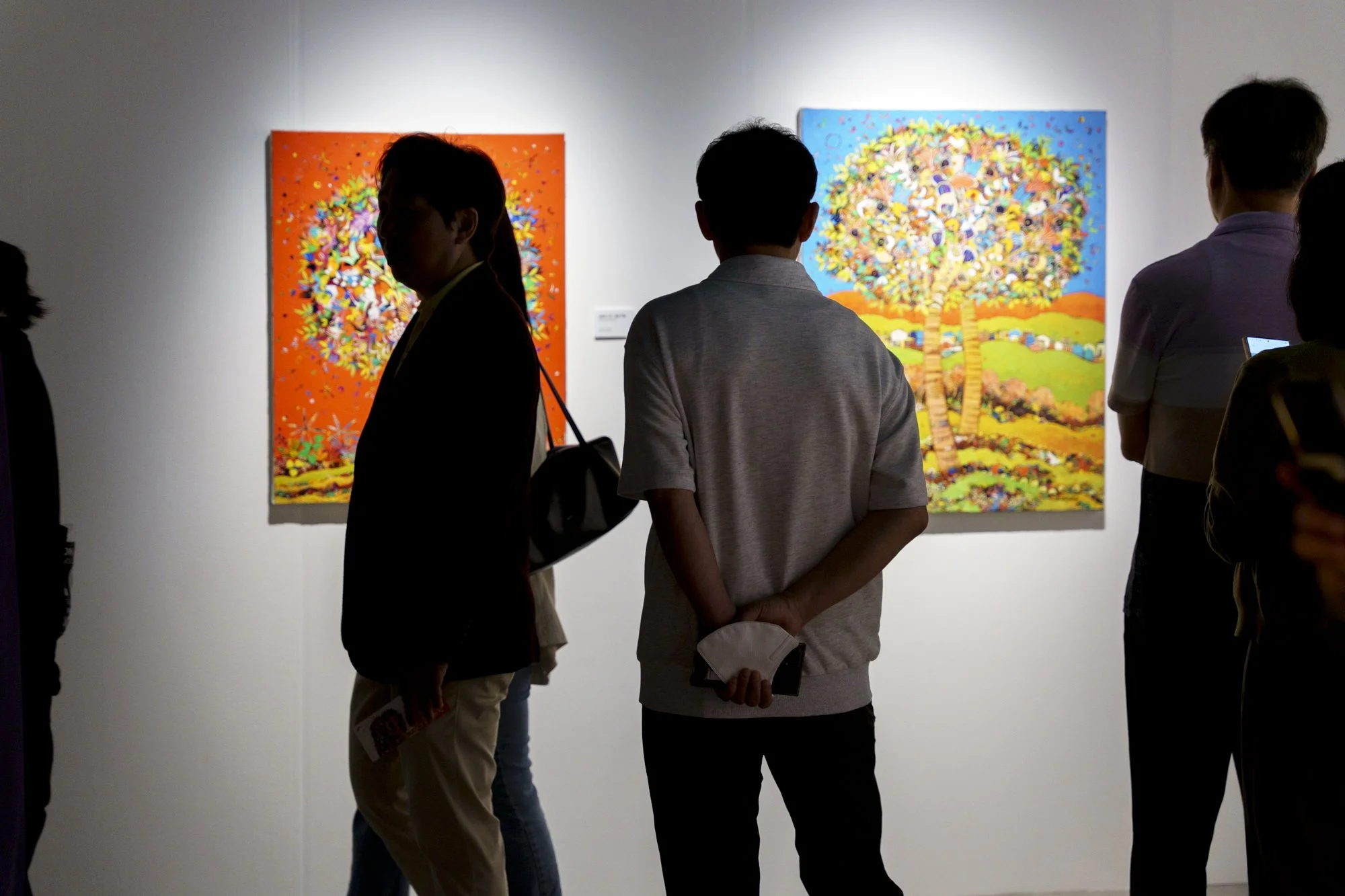
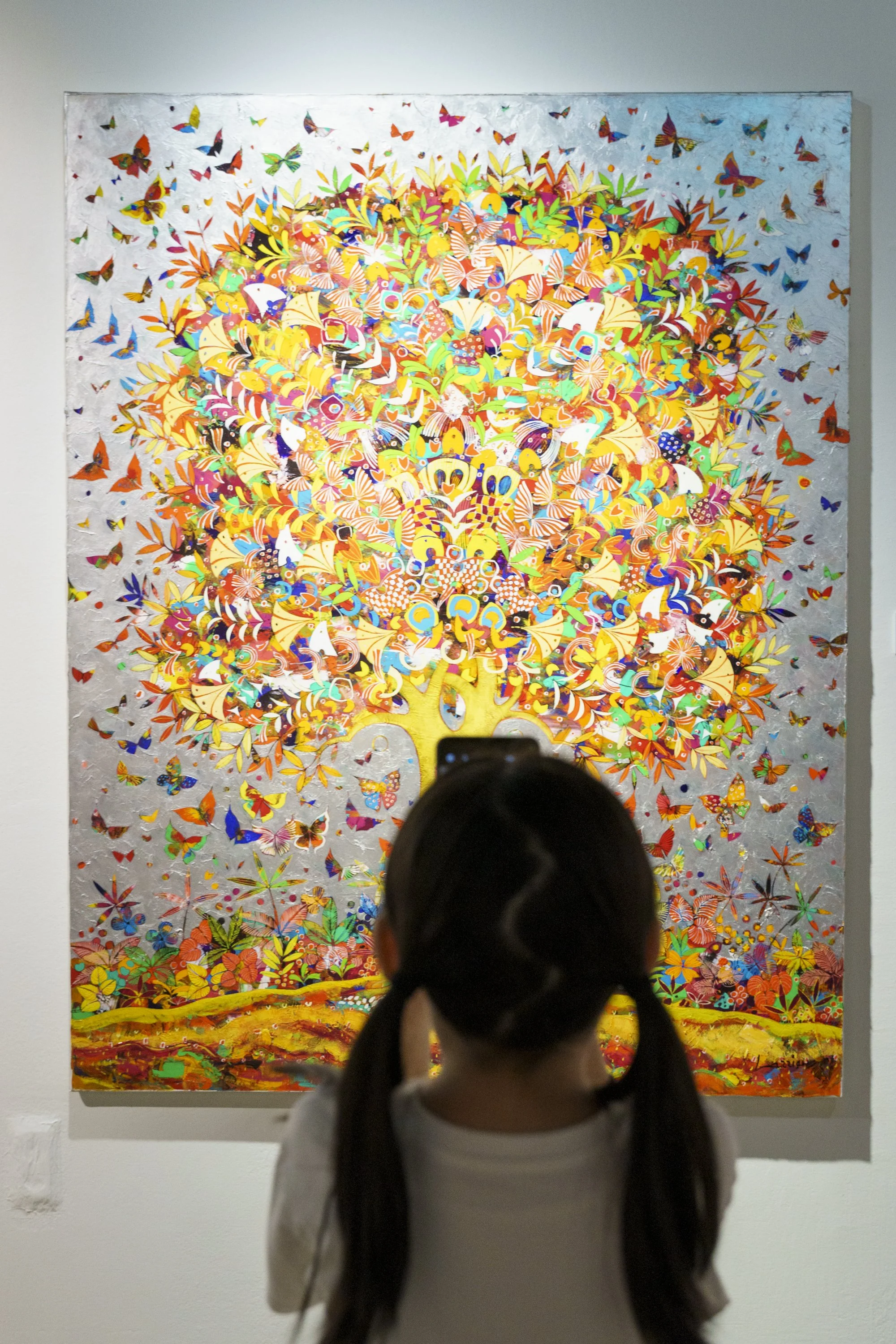
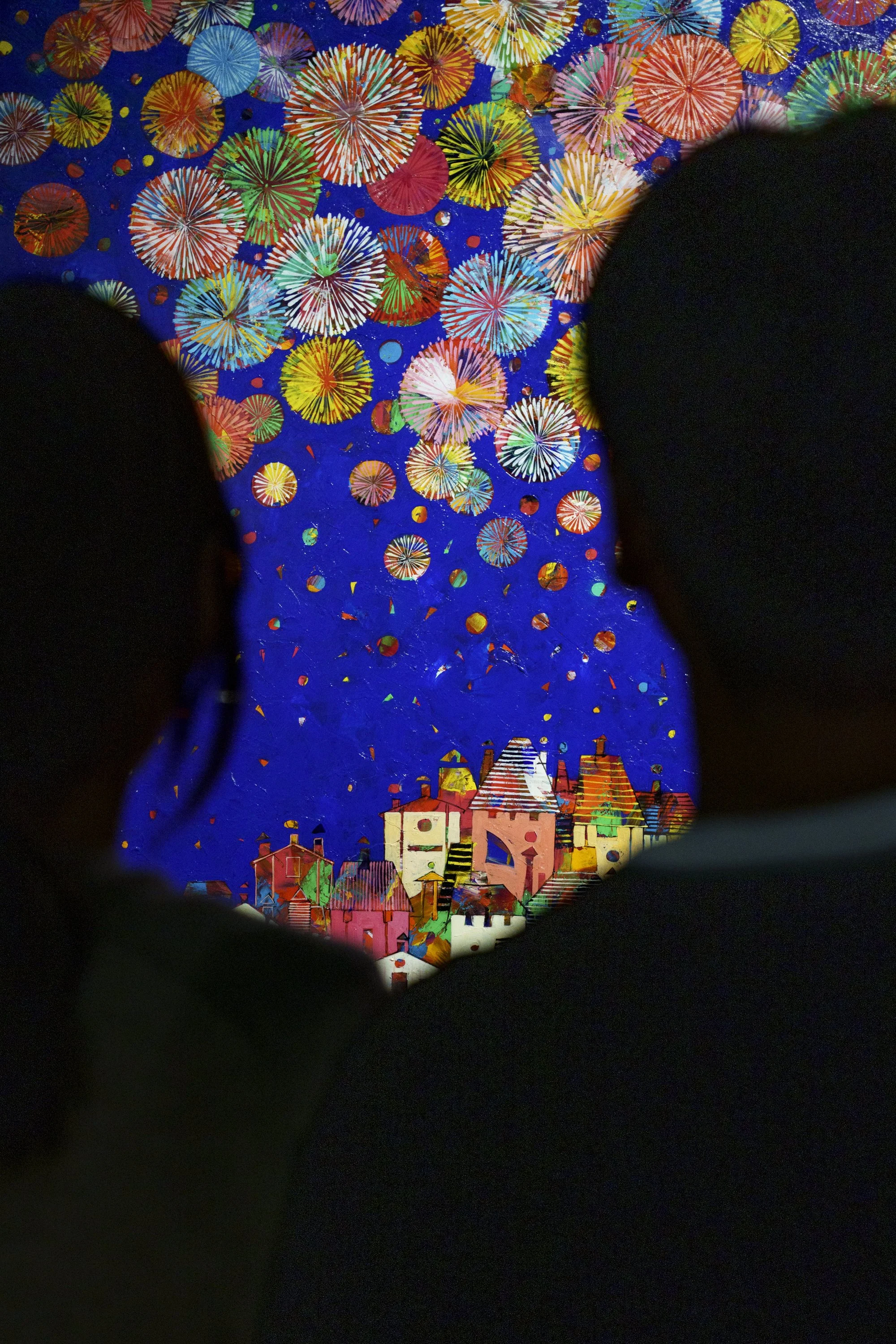
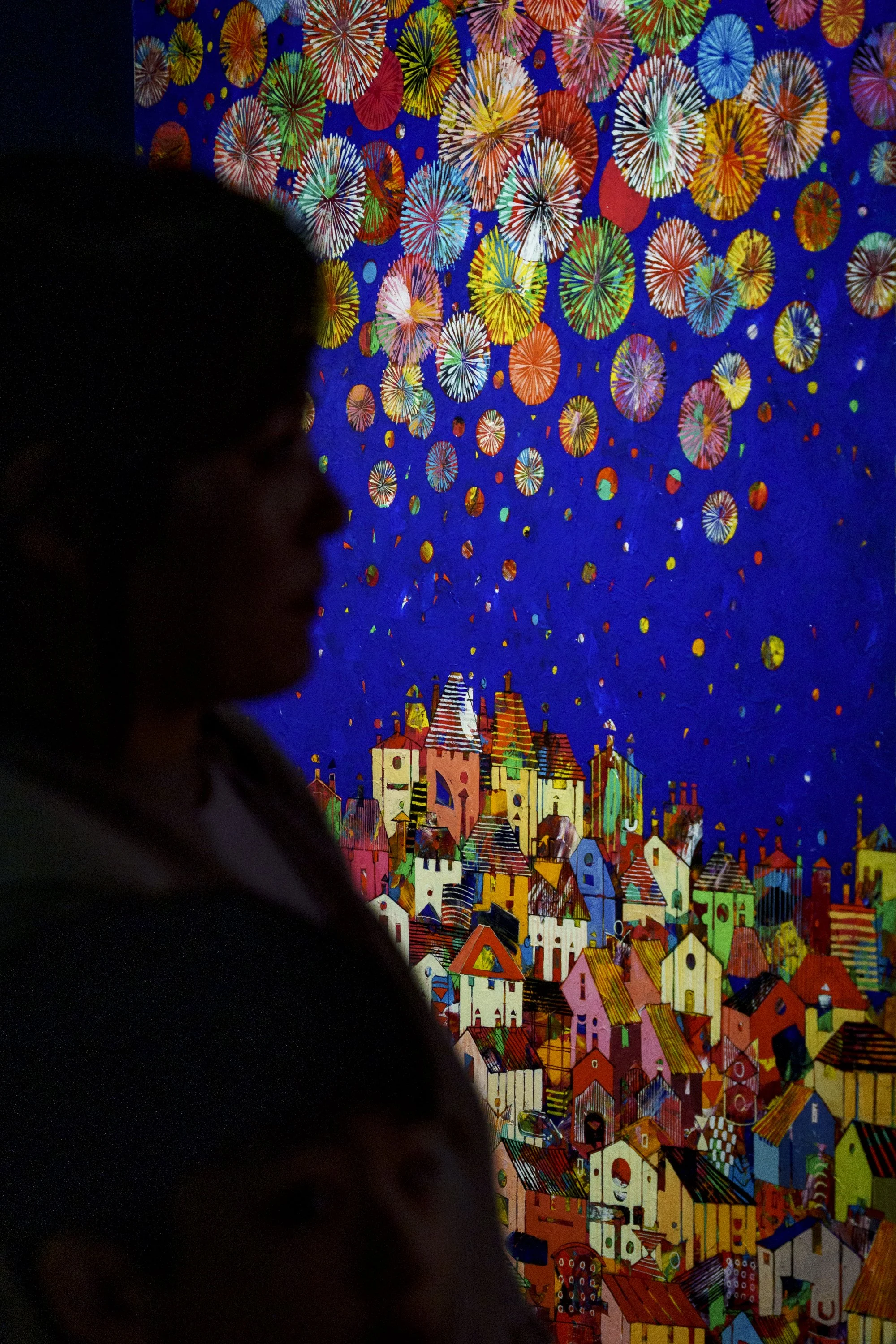
At first glance, his paintings reveal monumental landscapes: a tree of life, an ocean, a city or urban architecture. But on closer inspection, these vast compositions are revealed to be made up of thousands of carefully assembled geometric shapes — triangles, circles, squares and other symbols.
In Larrieu’s work, no single element truly dominates the others. A leaf, a butterfly or a bird can occupy the same visual and symbolic space as an entire forest or metropolis. This distinctive approach, which brings the infinitely small into dialogue with the infinitely large, expresses a profoundly humanistic vision of the world: every living being, every shape and every element of nature contributes to a shared balance.
Human beings themselves are no longer at the centre of the world, but rather one element within a much larger ecosystem.
Through this vision of painting, Larrieu invites us to reflect on our relationship with nature, all forms of life and one another, encouraging viewers to see the world around them from a different perspective.
Five Thematic Worlds to Discover Jean-François Larrieu
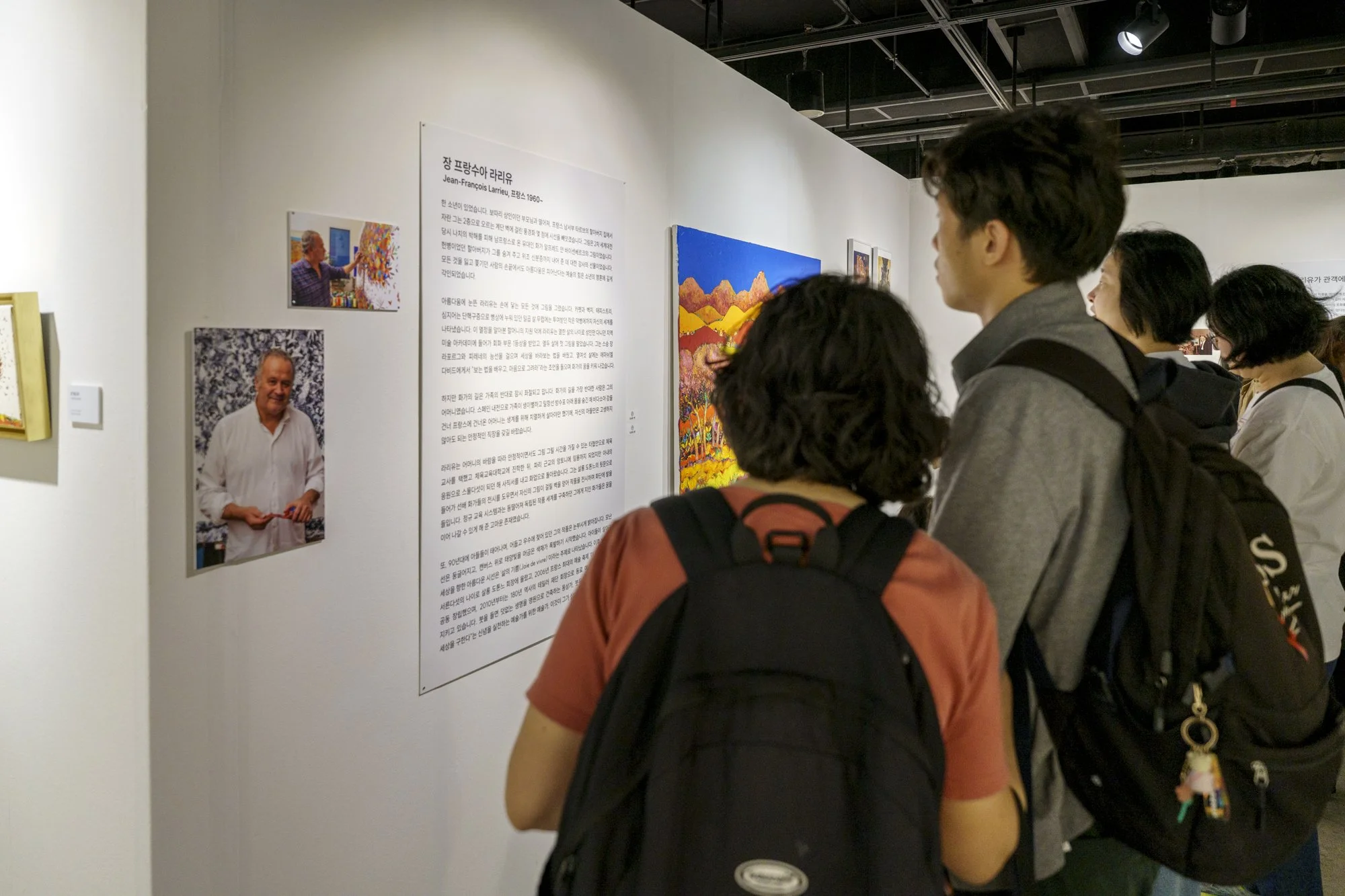
This first section offers an introduction to the artist’s work and personality. Through his paintings and the different stages of his life, from childhood to the present day, visitors gradually discover the foundations of his artistic language and the experiences that have shaped his vision.
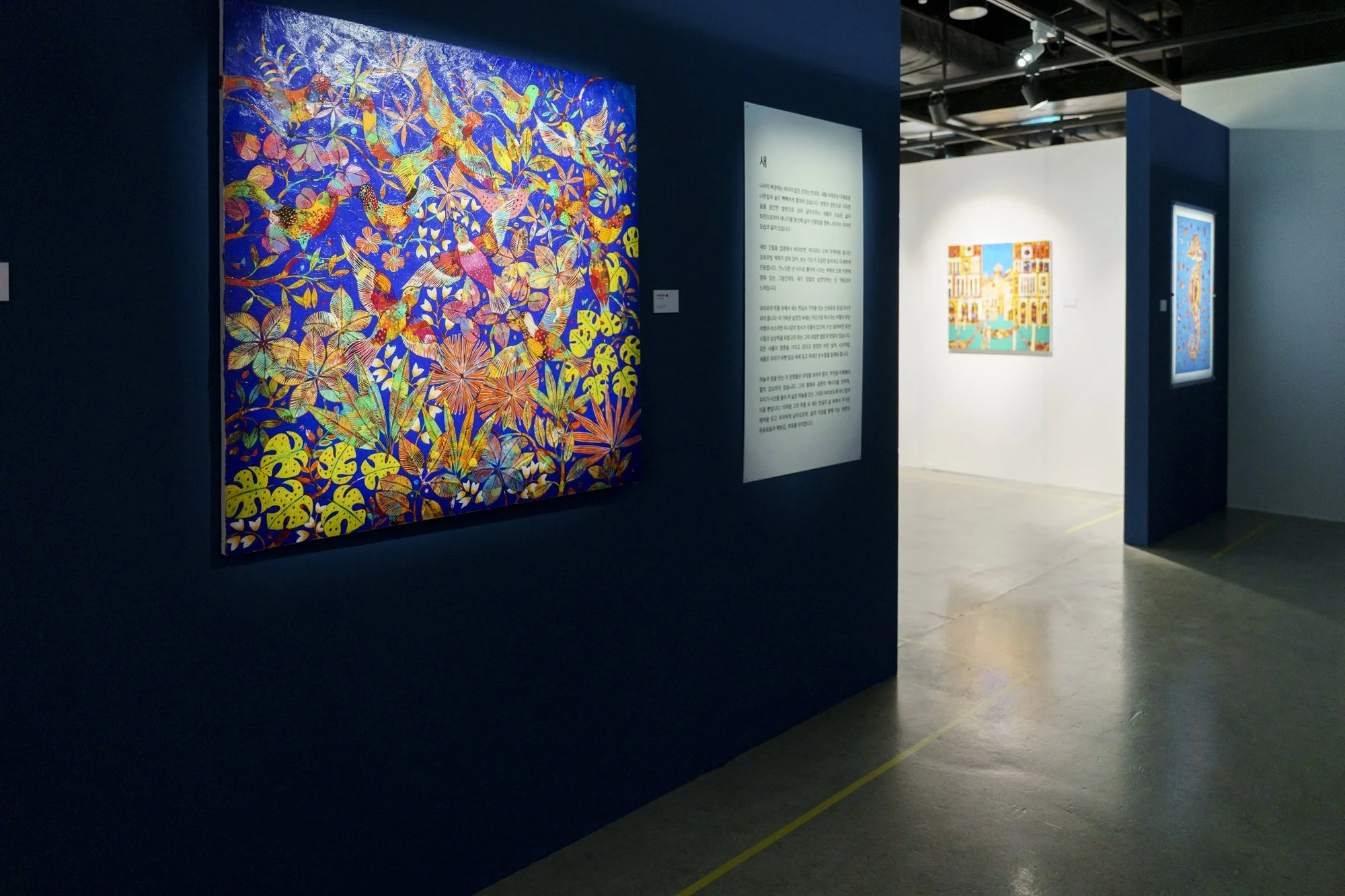
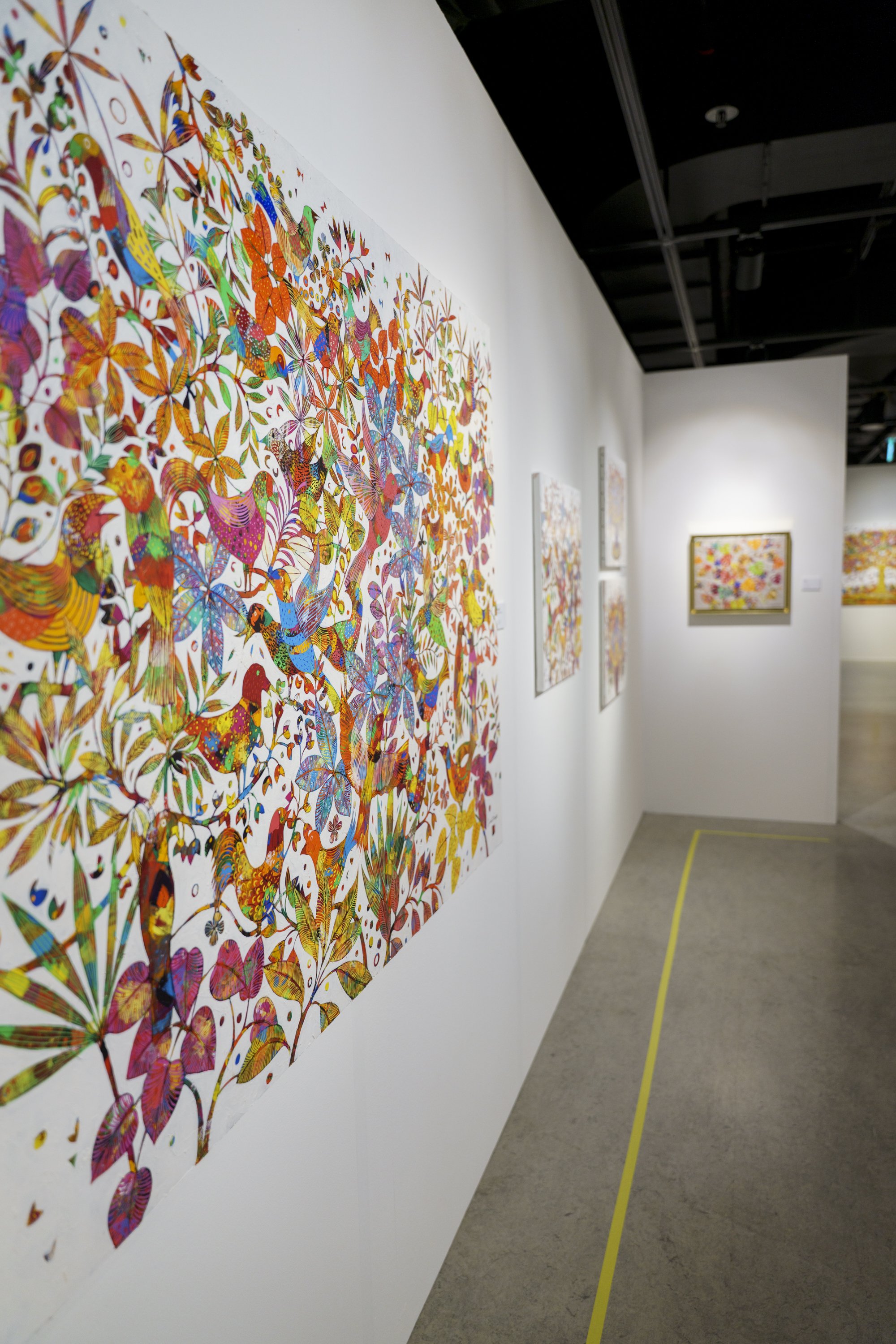
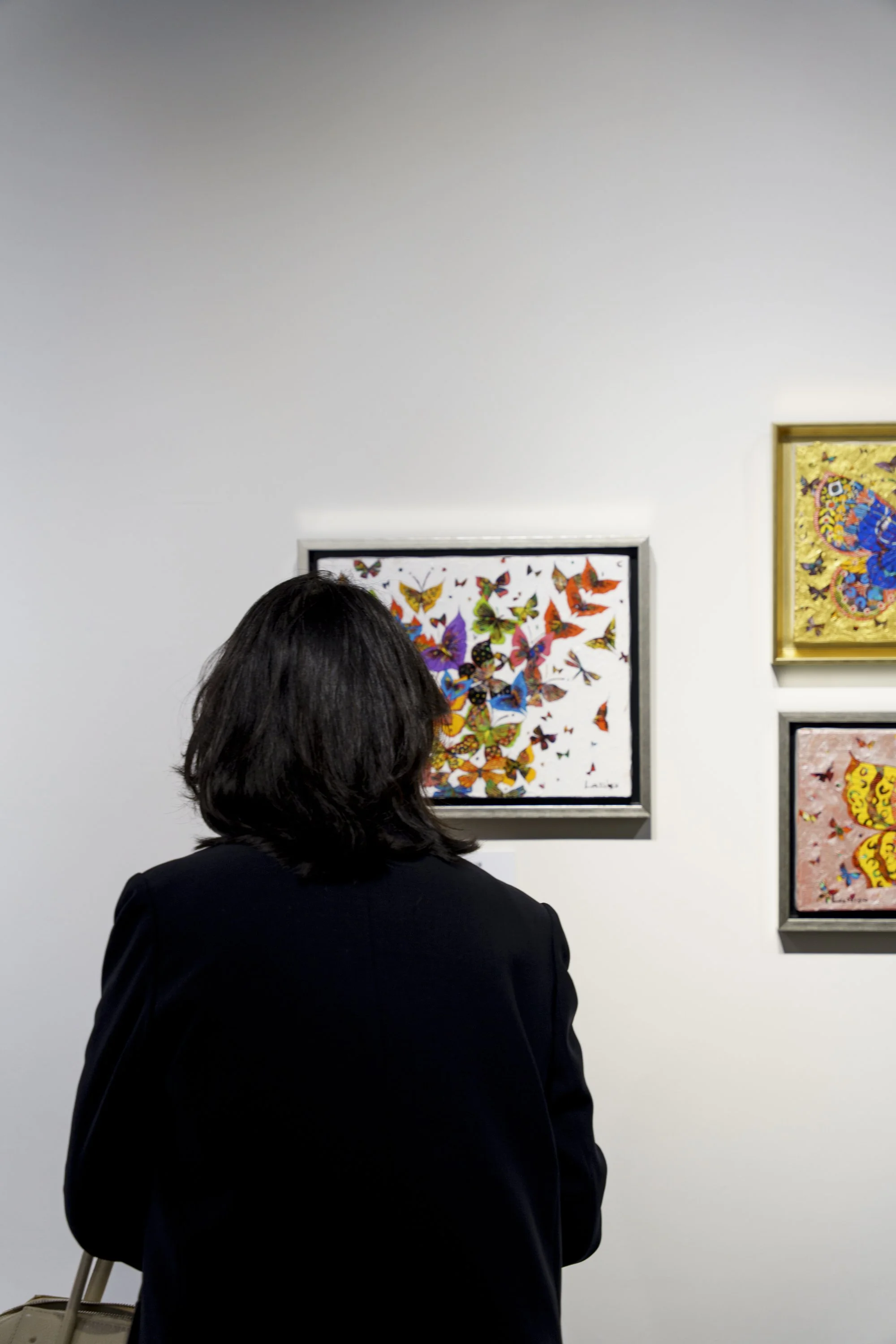
Emerging after the long transformation from caterpillar to chrysalis, the butterfly becomes, in Larrieu’s work, a symbol of transformation and hope. It evokes the possibility for everyone to overcome the weight of life’s hardships and rise towards a new light.
The bird, meanwhile, holds a special significance: it connects earth and sky, the present and memory, reality and imagination. Its flight becomes a metaphor for freedom, movement and the ability to keep moving forward despite life’s challenges.
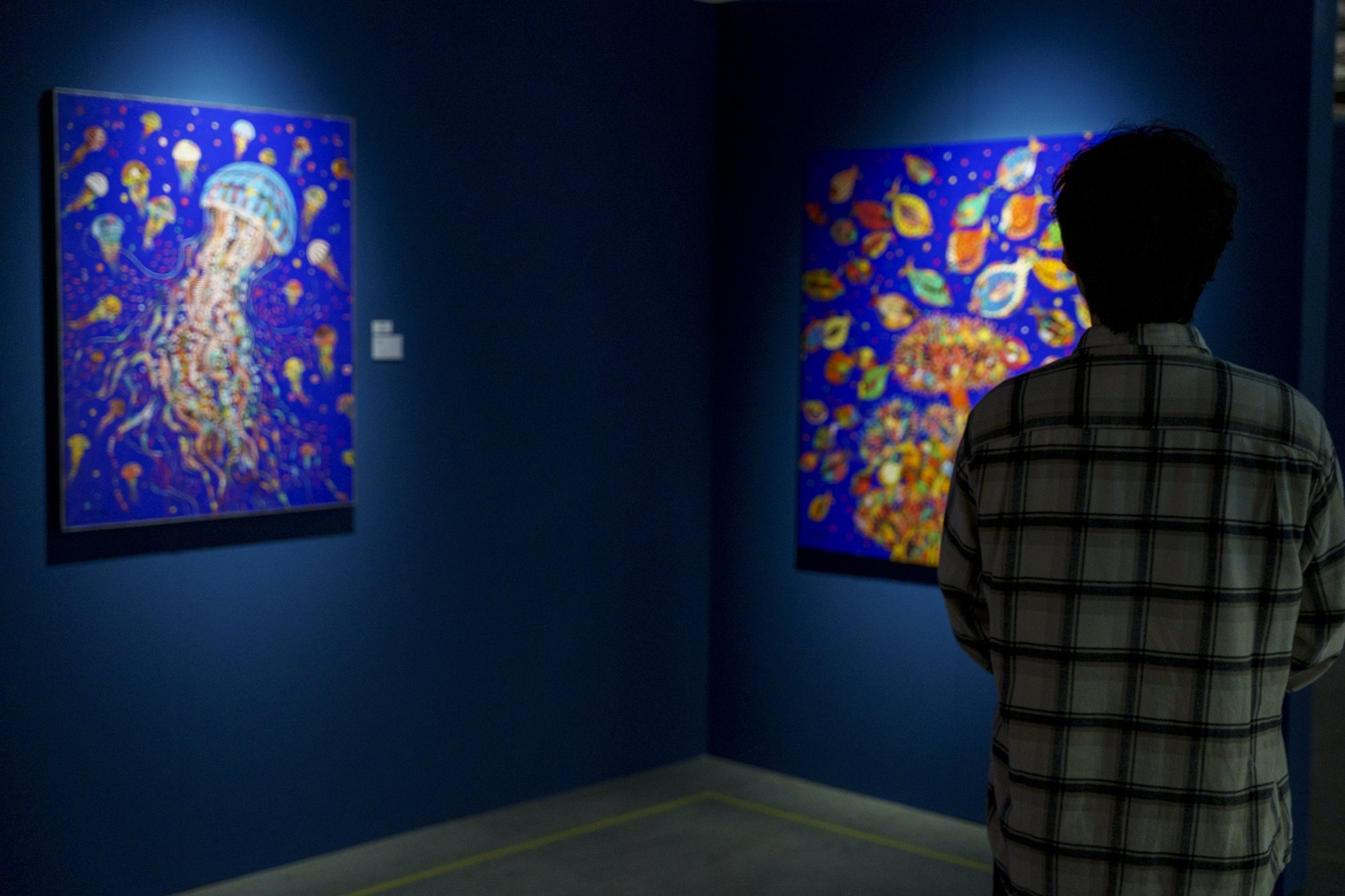
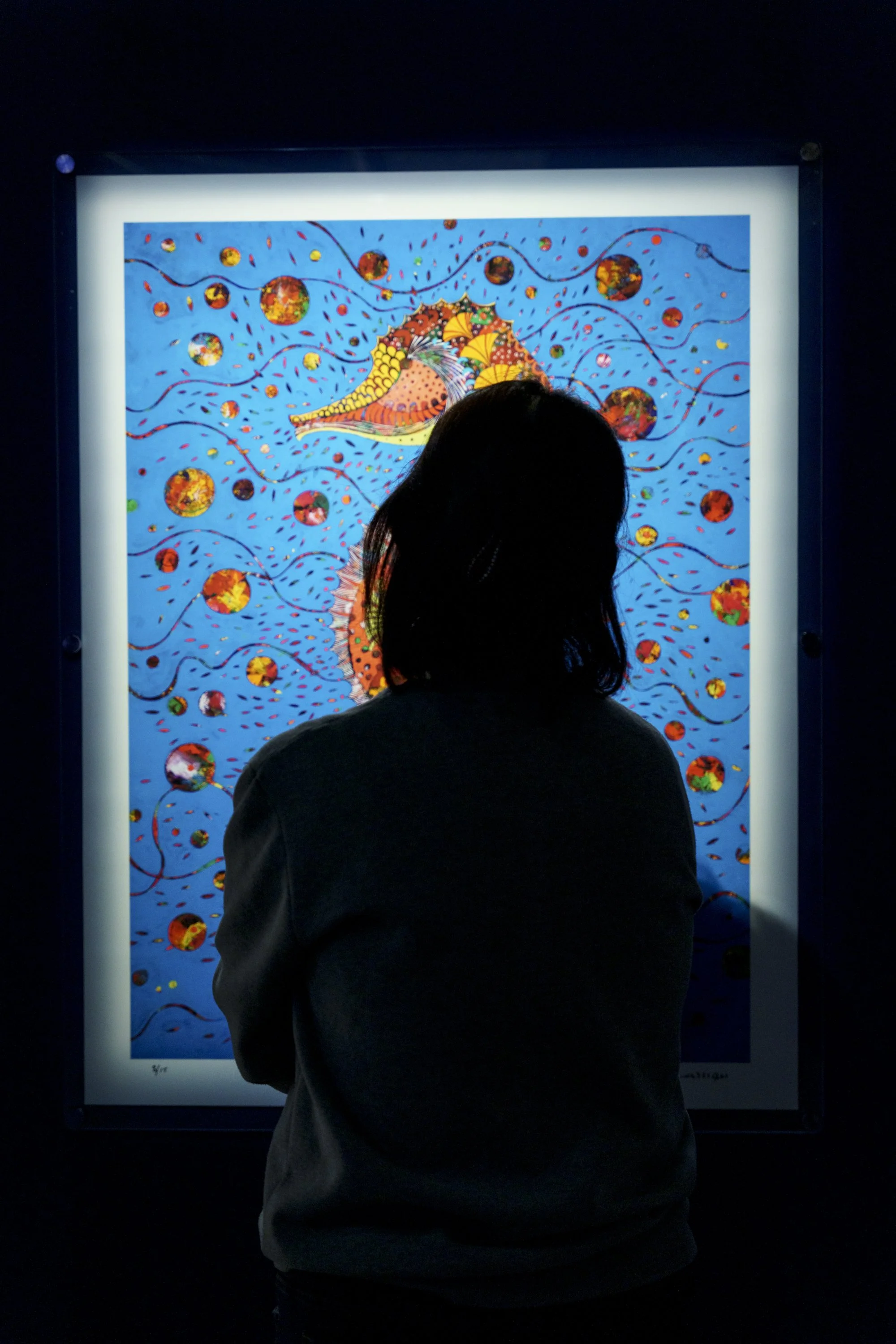
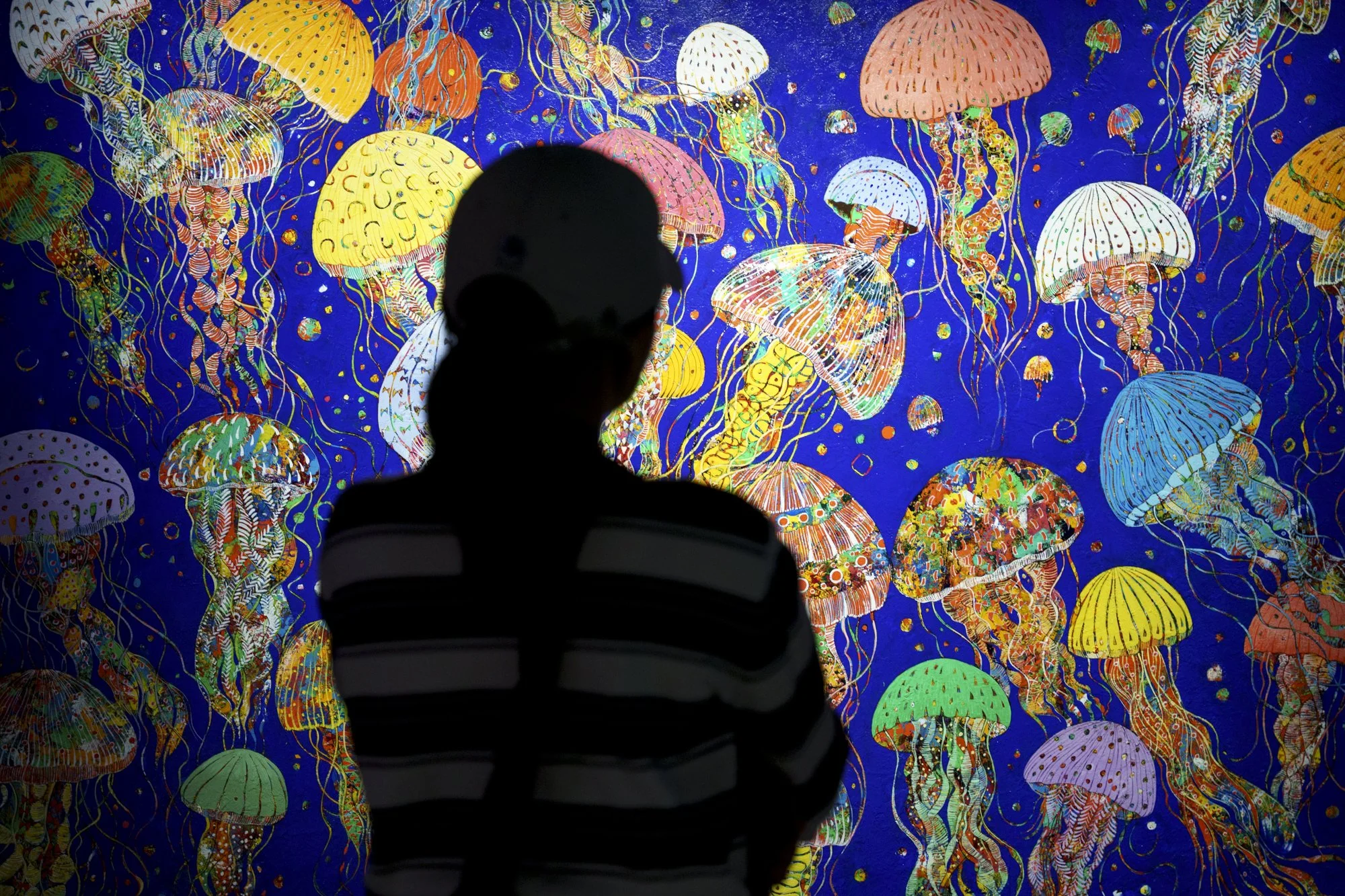
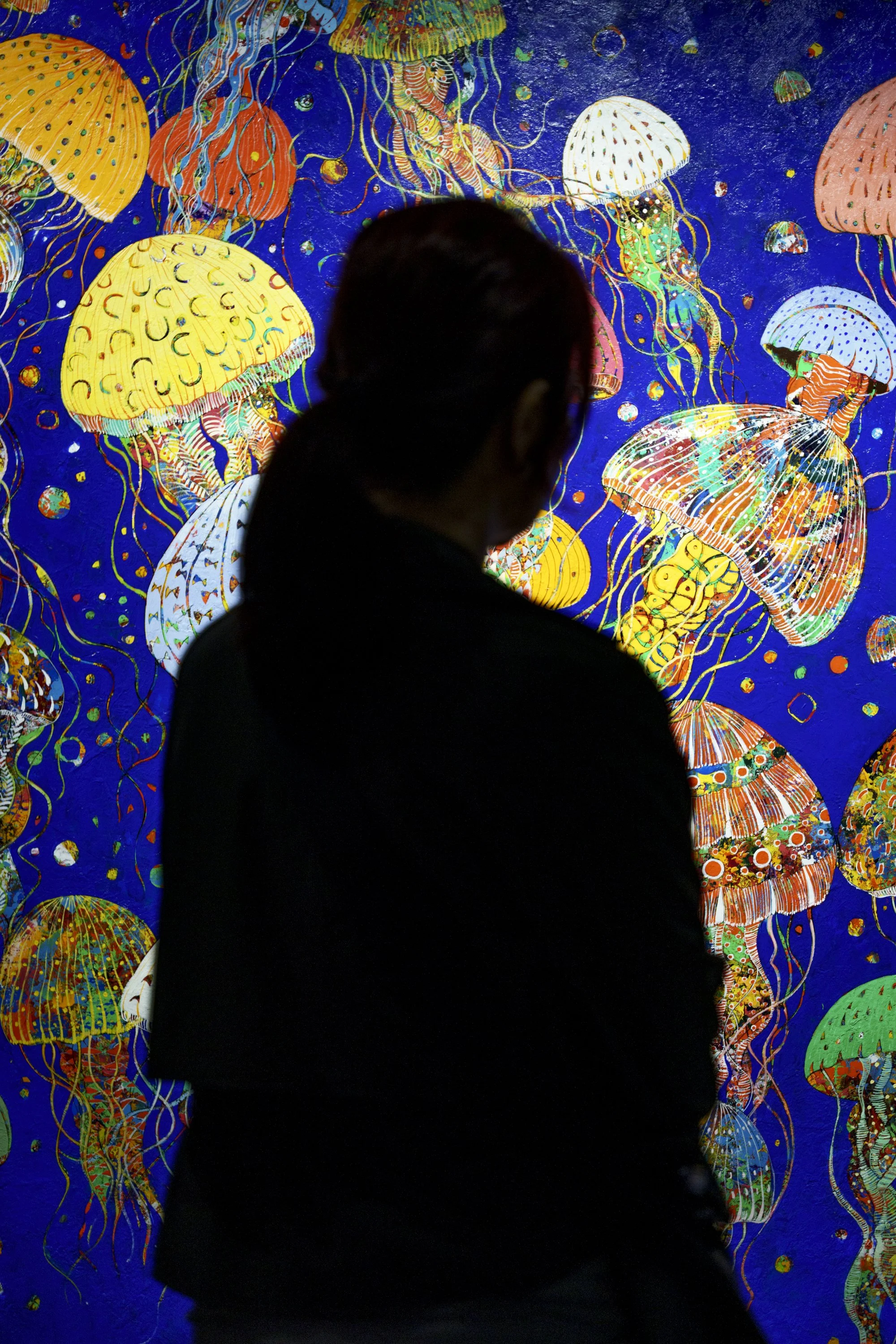
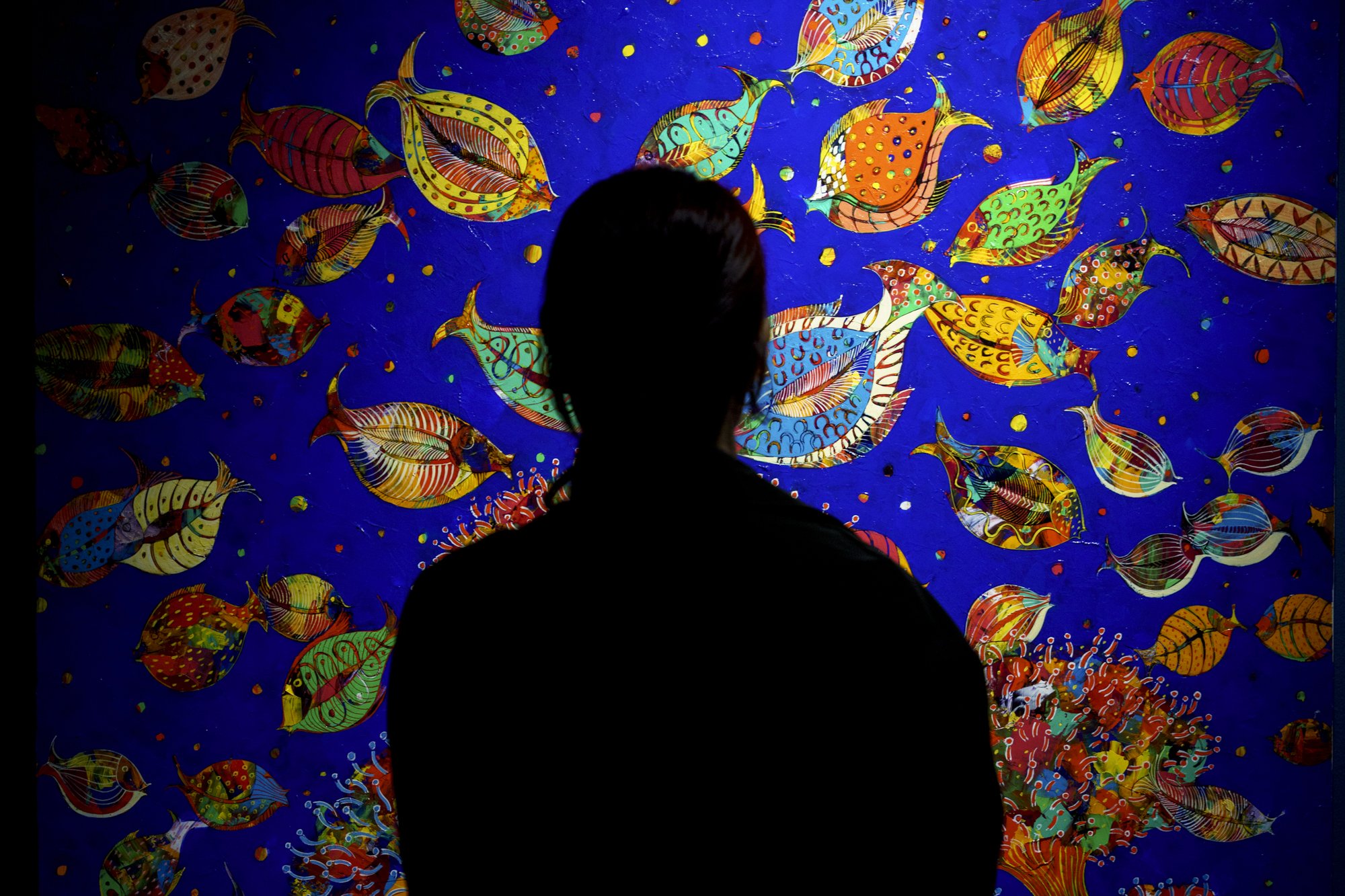
At the heart of this section is “Ocean (2017),” a monumental artwork measuring two metres in width. Marine creatures appear to move through a silent, harmonious dance.
Through this depiction of the ocean — the cradle of life and the custodian of nature’s original beauty — Larrieu conveys a powerful environmental message: we have a responsibility to protect this fragile world and pass it on to future generations.
In the artist’s work, beauty thus becomes not only a source of wonder, but also a means of raising awareness and inspiring commitment.
Jean-François Larrieu himself selected this section as the one that most fully expresses the meaning and message of his work.
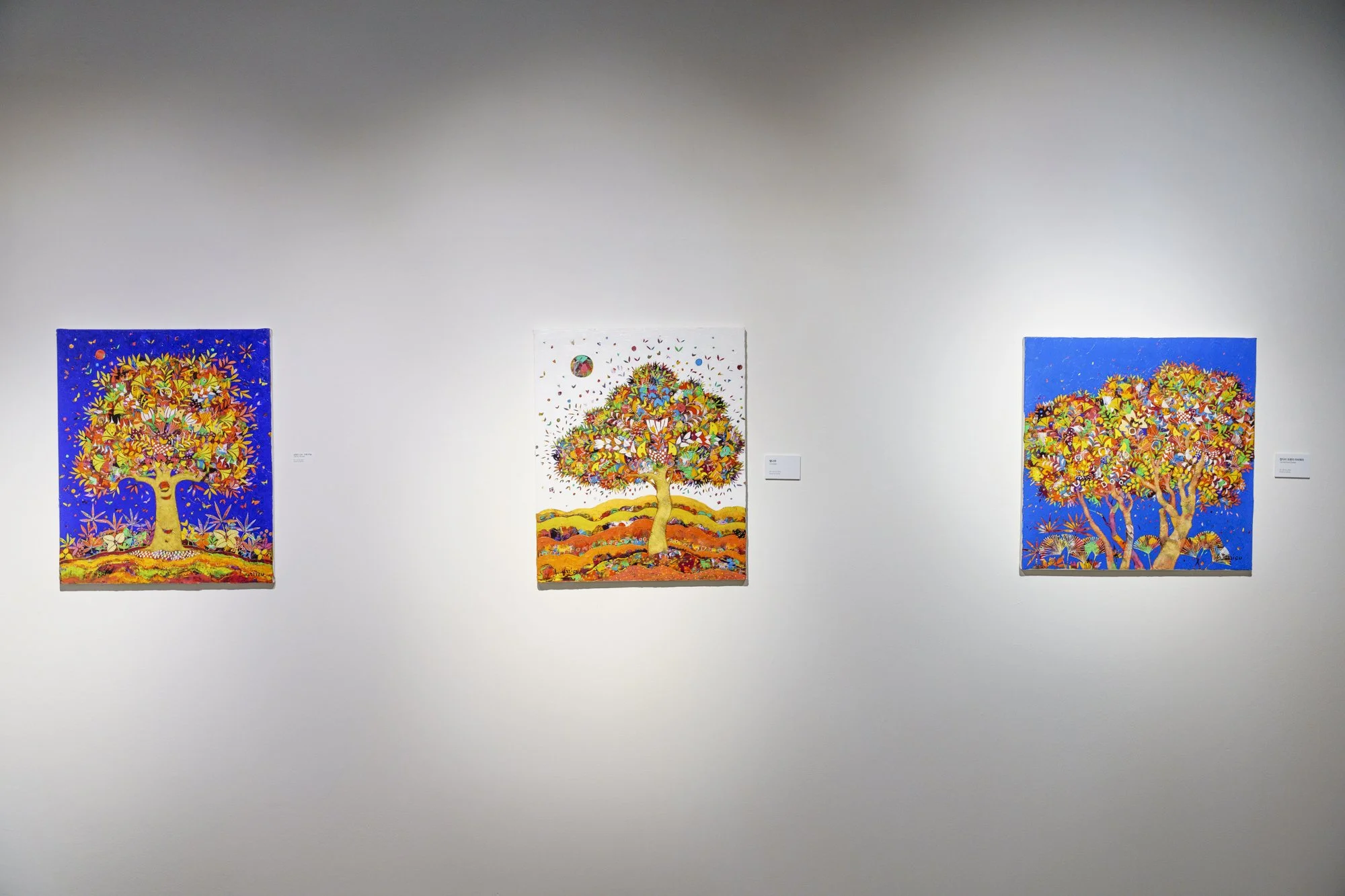
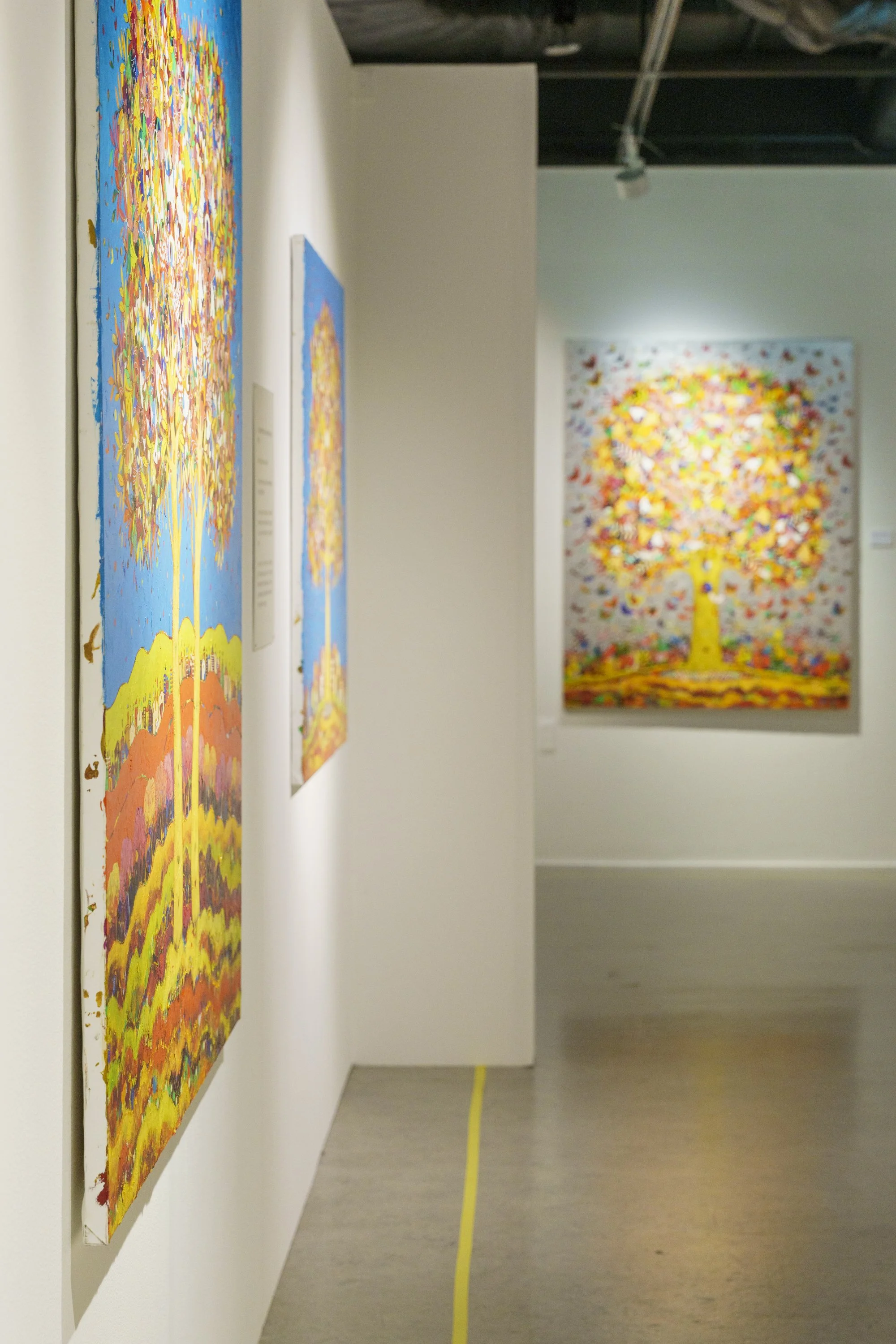
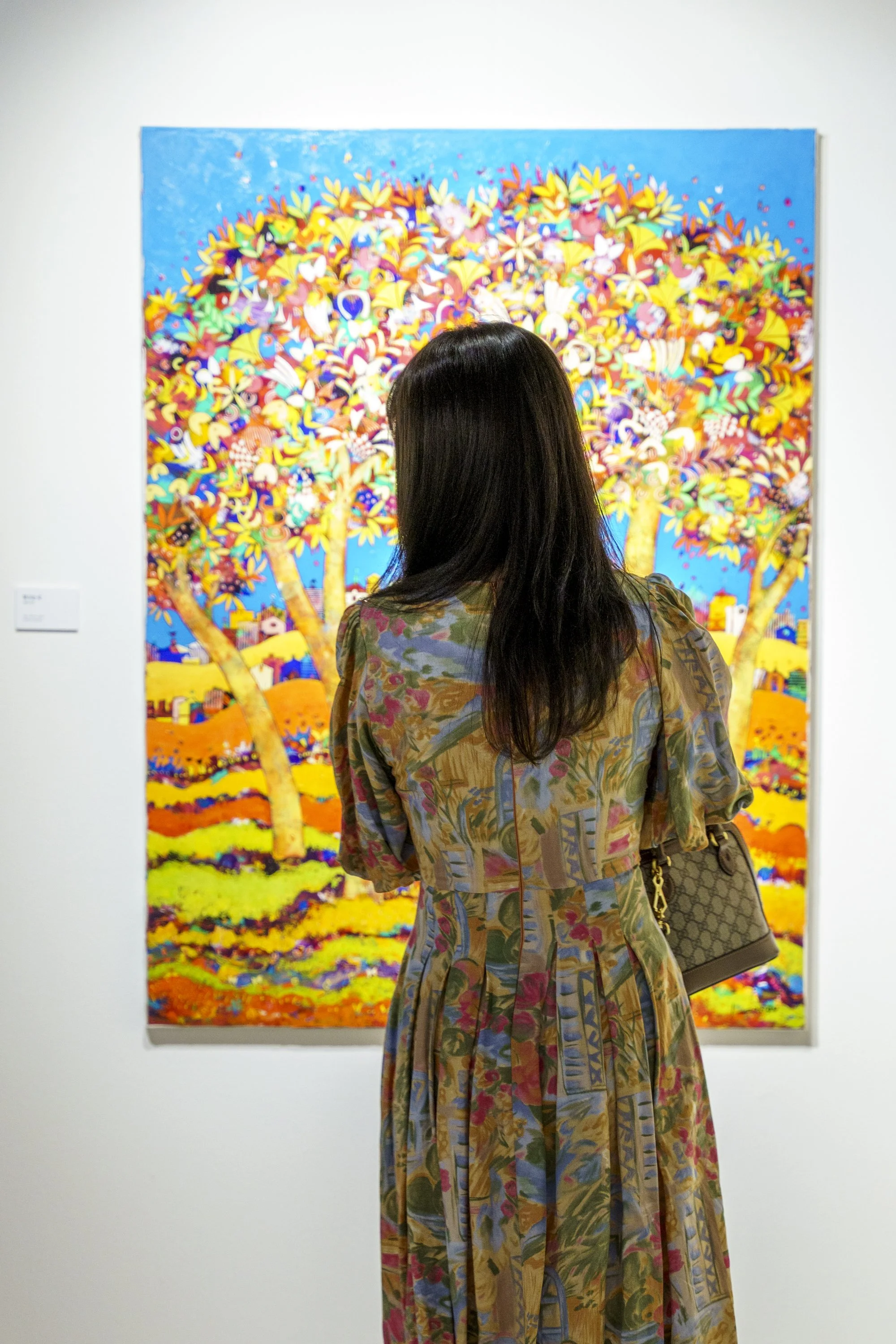
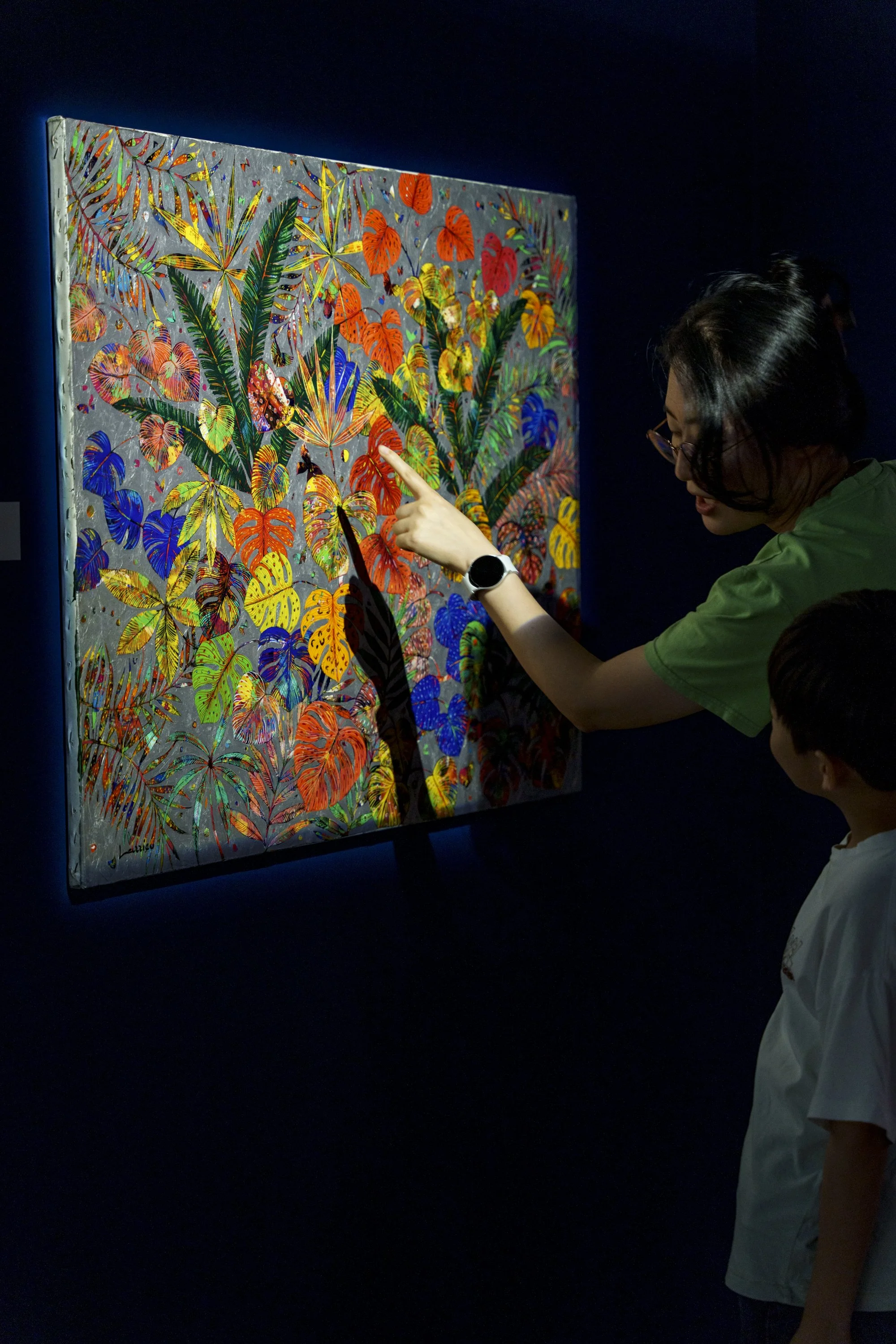
The Tree of Life is a central theme in his artistic universe: connecting earth and sky, it becomes the focal point of a world in which branches and leaves are transformed into an immense, luminous city, illuminated by thousands of tiny lights.
This transformation carries a profound symbolic meaning. Just as fruit ripens on a tree, every human being has within them the potential to bring forth and nurture their own “fruits”.
The artist’s large-scale works will be presented around this major theme.
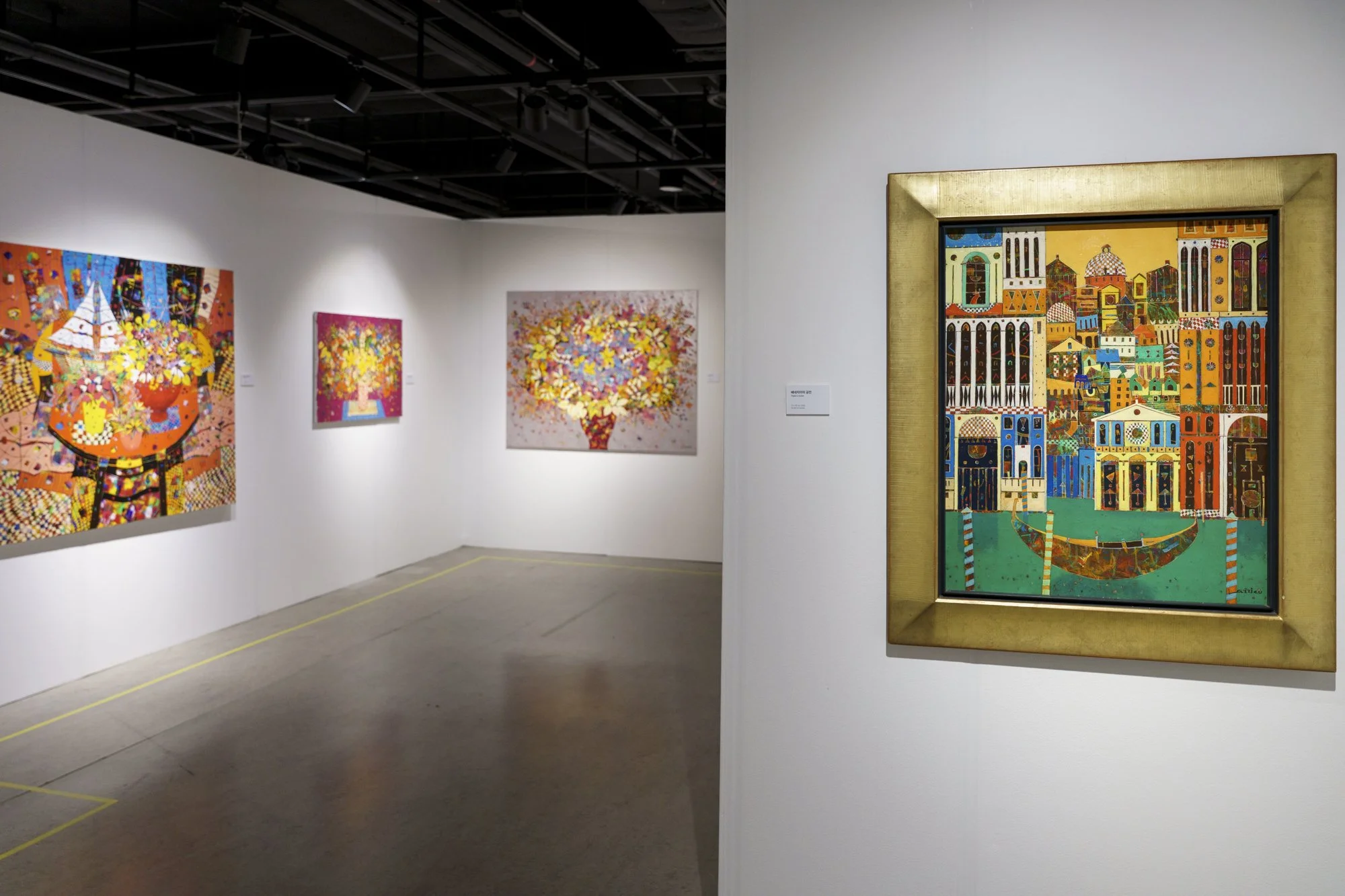
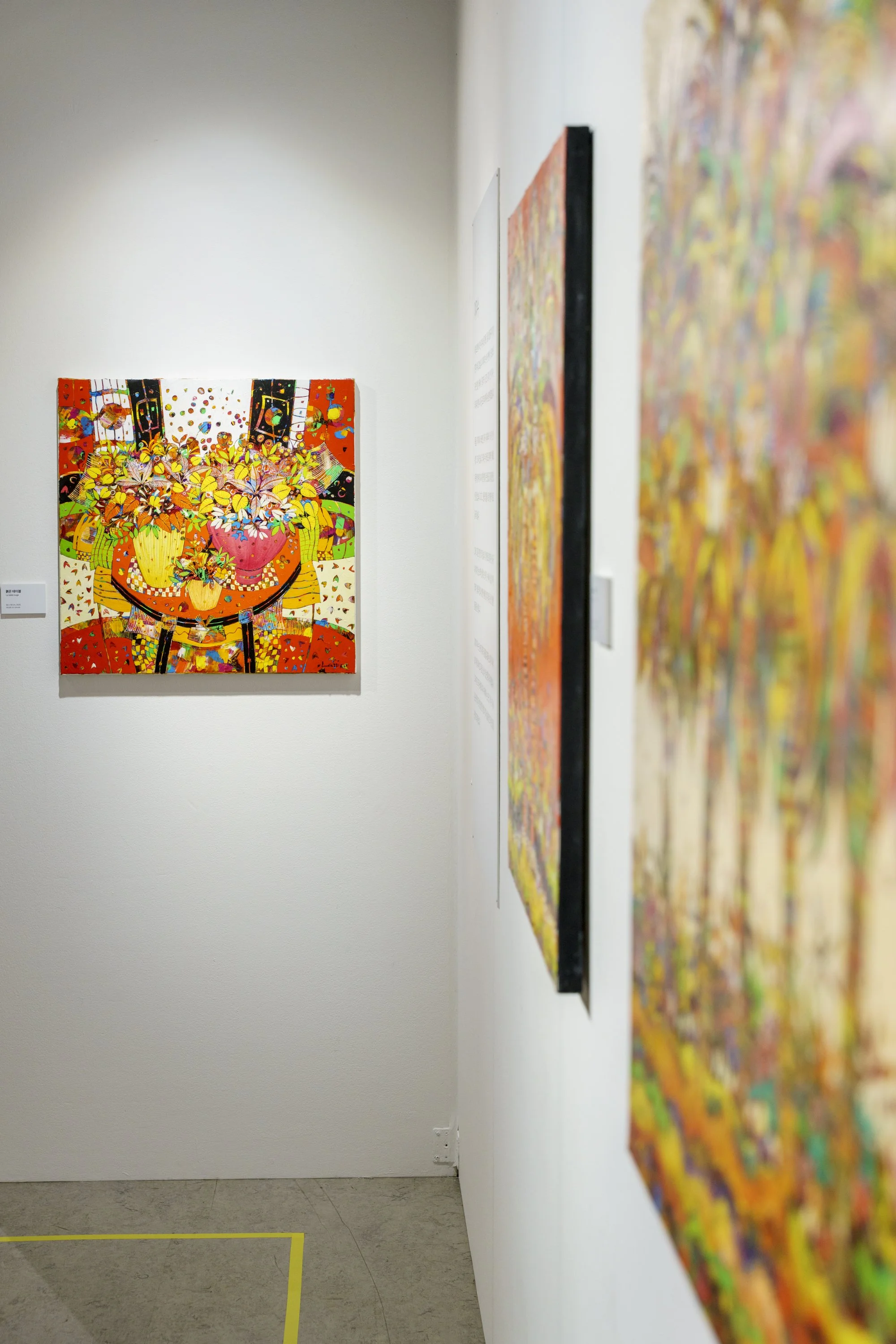
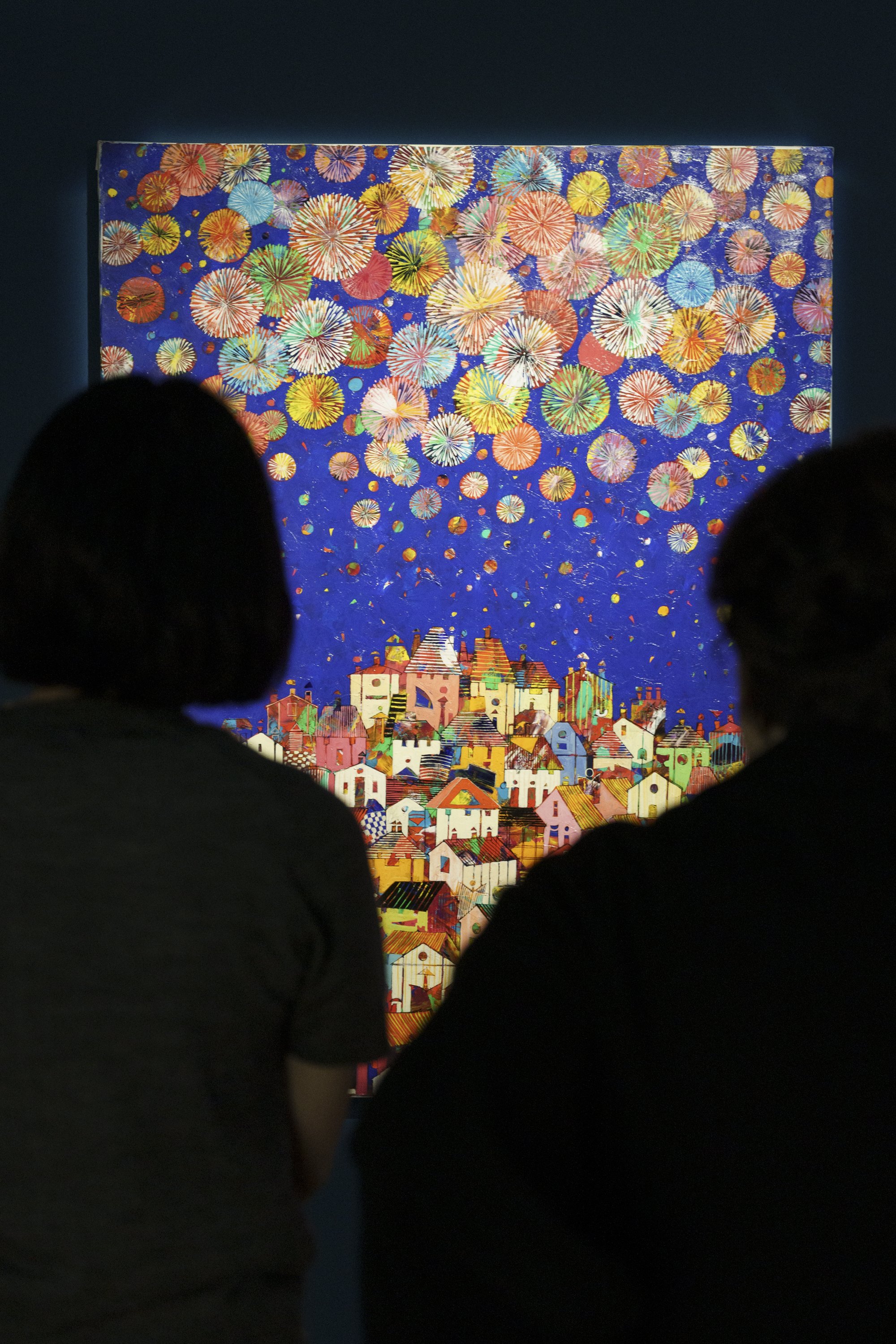
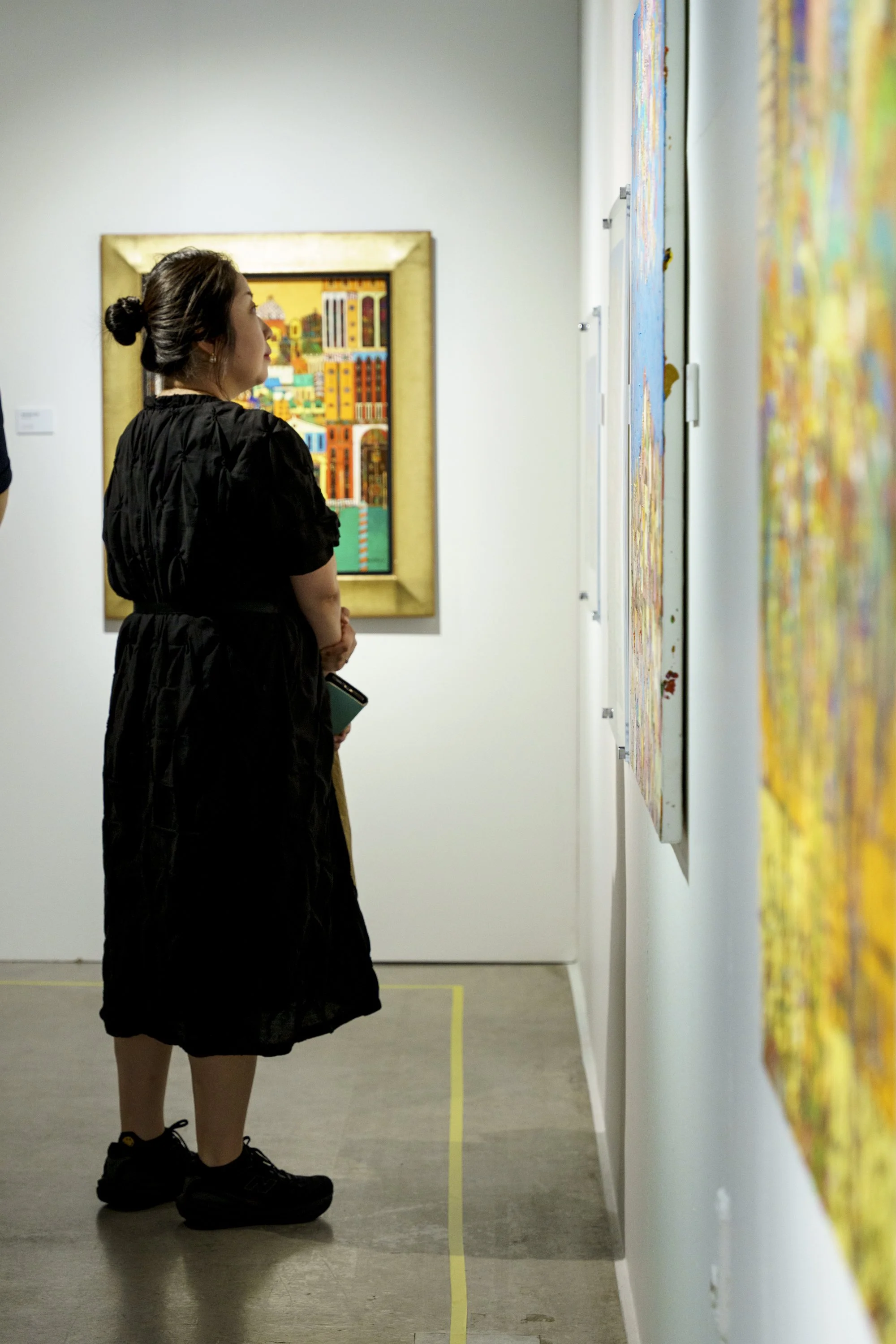
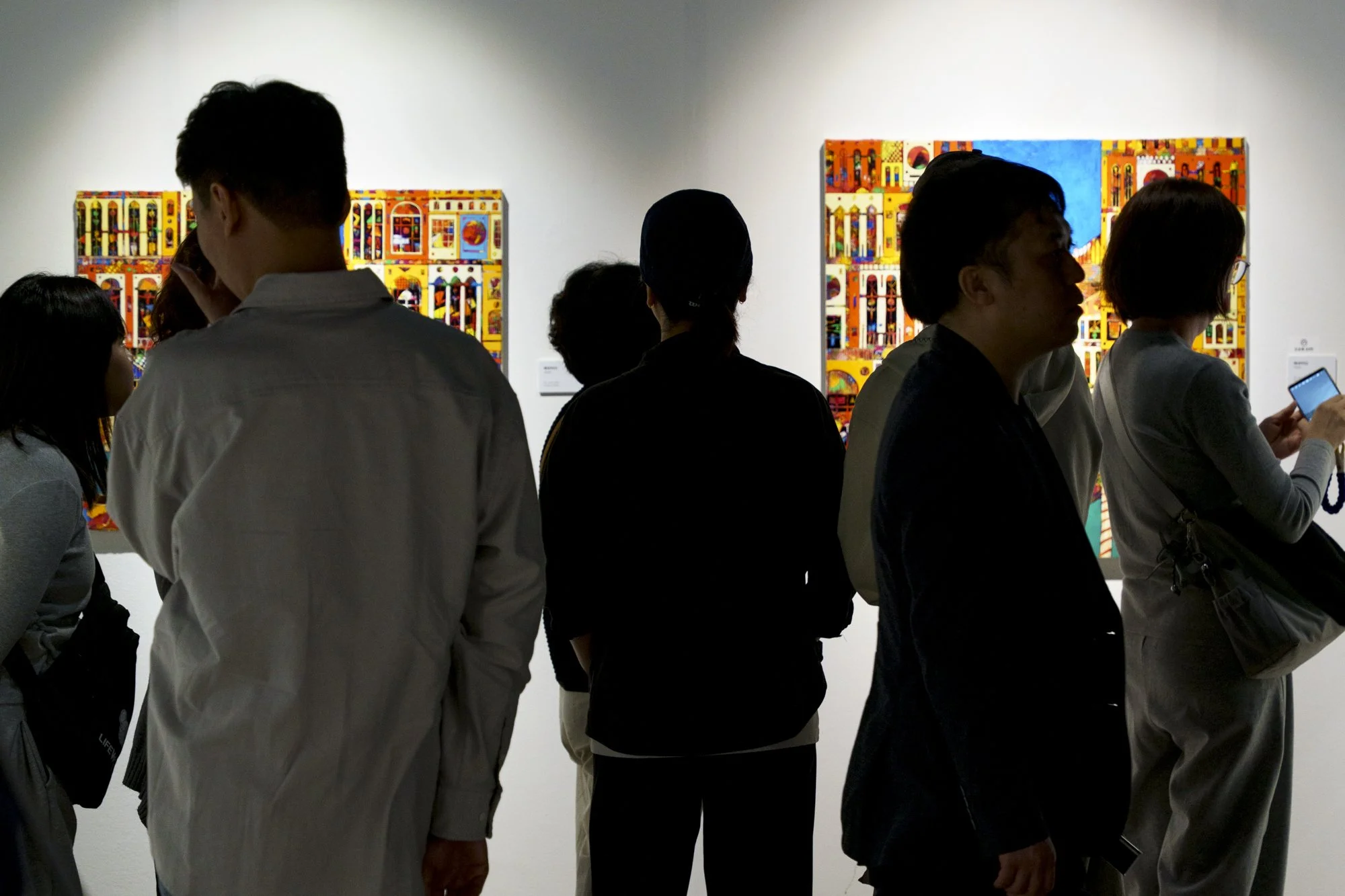
Jean-François Larrieu’s cities are surprisingly devoid of human figures. And yet, human life is everywhere. The colourful shapes, symbols and patterns woven between the vertical and horizontal lines of buildings create a vibrant urban atmosphere. They evoke the movement, sounds, energy and vitality of city life.
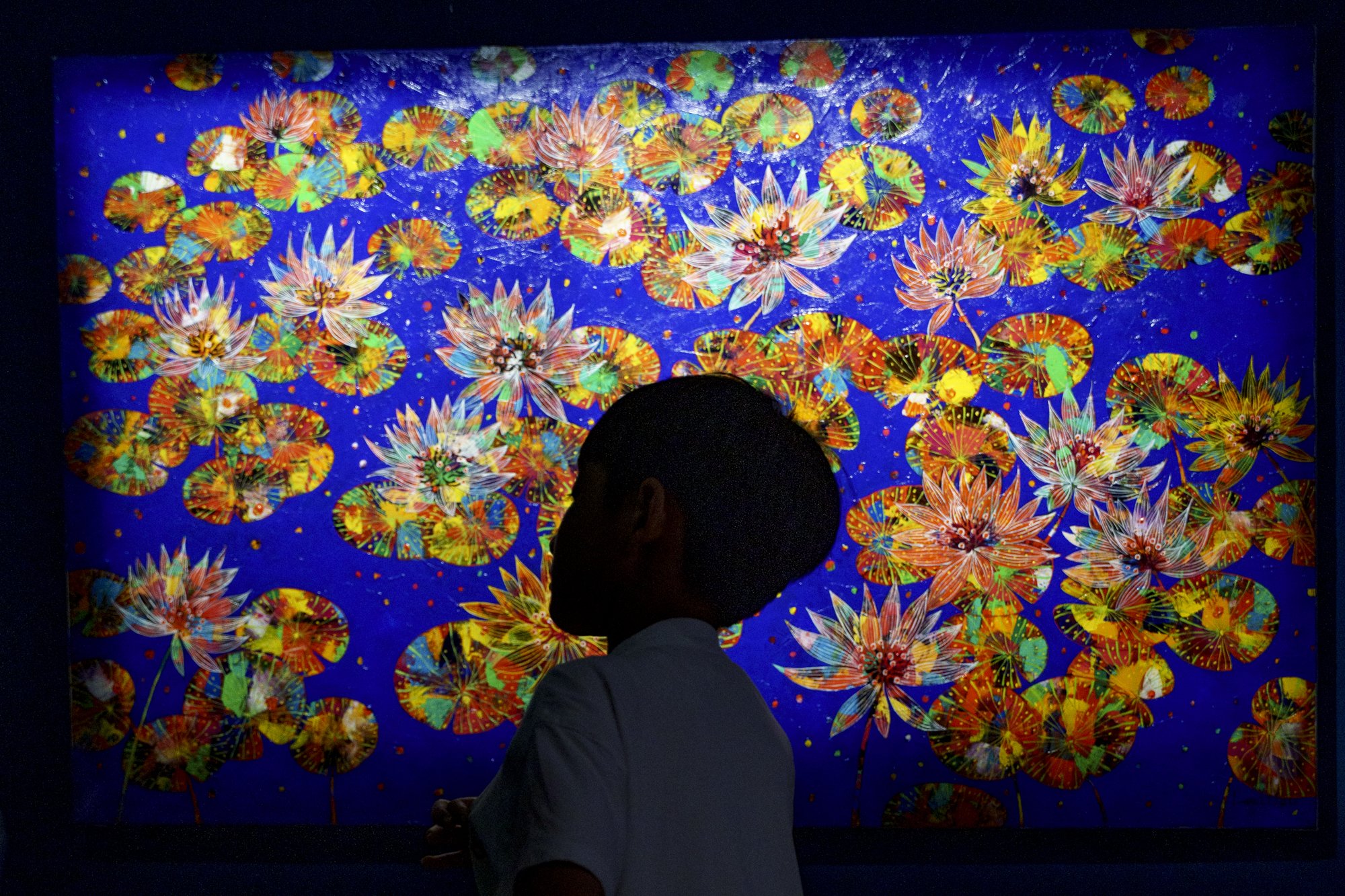
At the same time, the flowers and plants that appear in public spaces or on our everyday tables invite us to pay closer attention to the simple, often overlooked beauty of our surroundings.
Through these works, the artist reminds us that the wonders of everyday life are sometimes those we no longer notice when we look at them from too far away.